Why Choose a Built In Humidifier for Global Sourcing?
Choosing a built in humidifier for global sourcing requires more than comparing prices and exterior designs. It demands careful attention to climate, room size, water quality, installation methods, and long-term maintenance. A unit that performs well in a dry European winter may struggle in a tropical warehouse. That difference matters.
Dr. William J. Fisk, a building science researcher at Lawrence Berkeley National Laboratory, has stated, “Low indoor humidity can increase the risk of respiratory infections.” His observation highlights why humidity control deserves serious consideration in residential, commercial, and hospitality projects. A built in humidifier can support stable indoor moisture while saving visible floor space. It can also connect with HVAC controls, sensors, and smart building systems. However, integration is not automatically better.
Sourcing teams should examine output capacity, noise levels, drainage design, filter availability, power requirements, and service access. They should request test reports and installation guidance from qualified manufacturers. Regional electrical standards and certification requirements must also be verified before purchase. Small details matter. A concealed water line may simplify the room design, yet complicate future repairs. A compact reservoir may reduce cabinet space, but increase refill frequency.
The process is not perfect. Supplier claims can sound impressive, while real-world performance varies with installation quality. Therefore, buyers should compare documented test data, warranty terms, user feedback, and after-sales support. Global sourcing becomes more reliable when product specifications match local conditions. That is the real value of choosing a built in humidifier: not simply hidden equipment, but controlled comfort designed for practical, long-term use.
What Is a Built-In Humidifier and How Does It Work?
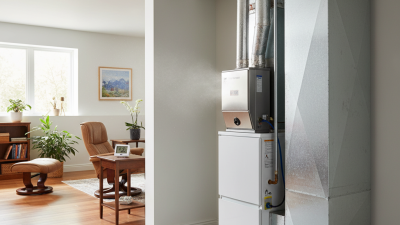
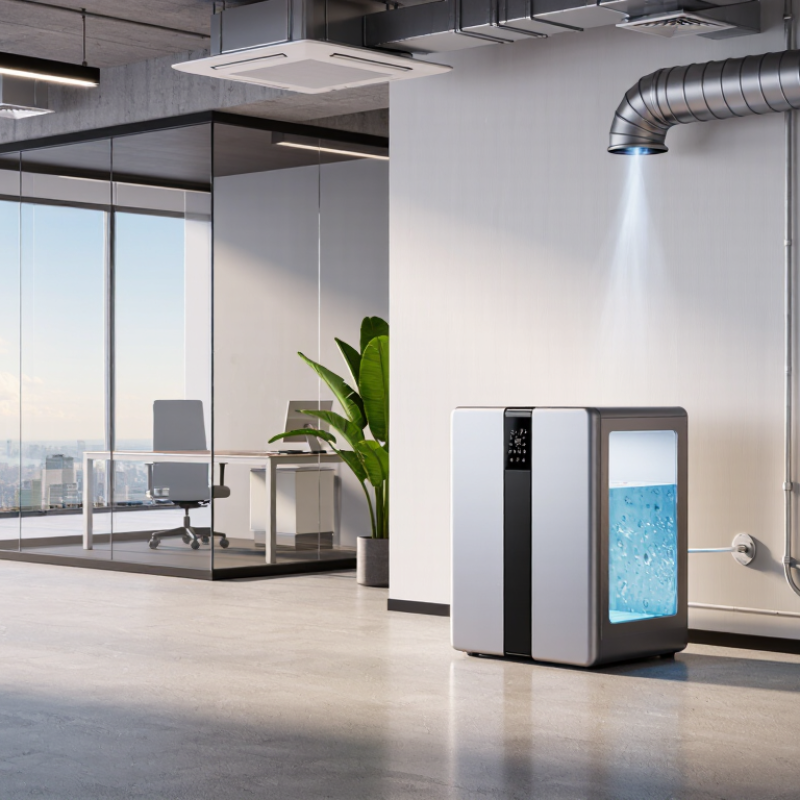
A built-in humidifier is a humidity-control device installed inside an air-handling system. Unlike a portable unit on the floor, it connects directly with ductwork, a water supply, or a refillable reservoir. A humidity sensor measures indoor moisture. When the air becomes too dry, the controller activates water release. A fan then carries fine moisture through the ducts and into occupied rooms.
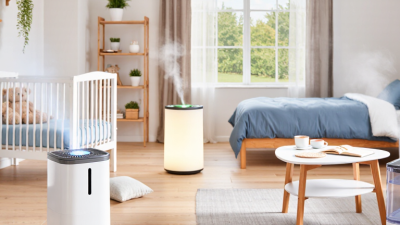
Different models use different methods. Evaporative systems pass air over a wet pad. Steam systems heat water before releasing vapor. Ultrasonic systems create a fine mist through vibration, although water quality becomes more important. In a sourcing project, buyers should examine output capacity, sensor accuracy, drainage, filter access, and noise levels. These details affect real performance more than attractive product images.
Installation experience also matters. A poorly positioned sensor may read warmer air and stop humidification too early. Hard water can leave mineral deposits, especially in mist-producing systems. No unit is maintenance-free. A practical design should allow simple cleaning, visible water connections, and automatic shutoff when the reservoir is empty. Before global purchasing, verify electrical requirements, plumbing interfaces, safety testing, and documentation for each destination market. Local climate data should guide the capacity choice, because a dry inland warehouse needs different control than a humid coastal apartment. Some specifications look complete, but field testing may still reveal weak airflow or uneven room humidity.
Why Built-In Humidifiers Suit Global Sourcing Requirements
Why Choose a Built-In Humidifier for Global Sourcing?
Built-in humidifiers suit global sourcing because climate conditions vary sharply between markets. Dry winters, heated warehouses, and air-conditioned rooms can lower indoor humidity quickly.
The U.S. Environmental Protection Agency recommends maintaining indoor relative humidity between 30% and 50%. This range helps limit mold growth and excessive dryness. A built-in system can respond more consistently than portable equipment moved between rooms.
Product design also matters during international procurement. ASHRAE’s HVAC Applications Handbook explains that humidification loads depend on ventilation, outdoor conditions, occupancy, and building materials. These factors change across regions. Buyers should therefore request adjustable controls, clear water-quality requirements, and compatibility with local electrical standards. Service access is equally important. A technician should reach the tank, sensor, and drain without dismantling half the unit.
Small details affect reliability.
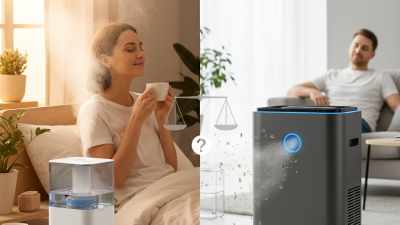
A low-water alert prevents dry operation. An automatic shutoff reduces leakage risk. Removable parts simplify cleaning during routine maintenance. Documentation should include tested humidity ranges, installation limits, and replacement procedures. Certifications must match the destination market, not merely the factory’s domestic requirements. That assumption is not always right. Built-in does not automatically mean better. Poor sensor placement can create uneven humidity, while oversized output may encourage condensation near windows. Global sourcing teams should compare measured performance, warranty terms, spare-part availability, and local technical support before approving a design.
Key Features to Evaluate Across International Markets
Why Choose a Built In Humidifier for Global Sourcing?
Key Features to Evaluate Across International Markets
A built-in humidifier can simplify installation and improve room comfort. However, global sourcing requires more than checking moisture output. Buyers should compare voltage, frequency, plug design, and local electrical safety requirements. A unit designed for one market may fail in another. I have seen procurement teams overlook this basic detail. It created delays before installation even began.
Control accuracy also matters. Look for reliable humidity sensors, adjustable output, and clear control panels. Some markets prefer simple physical buttons, while others expect app-based monitoring. Water tank size should match local usage patterns and maintenance habits. A removable tank helps in homes without permanent drainage. Automatic shutoff is essential when water runs low. Quiet operation matters in bedrooms, clinics, and small offices. Very quiet, though not always powerful enough. That trade-off deserves testing.
Sourcing teams should inspect filter availability, cleaning access, packaging strength, and spare-part support. Regional water quality can affect mineral buildup and cleaning frequency. Ask suppliers for test records, operating instructions, and warranty procedures in the target language. Independent inspection is worth considering before shipment. It can reveal leakage, weak hinges, or inaccurate sensors. No specification is perfect. Field trials may expose problems that laboratory data misses. Compare real samples across climates, not just written quotations.
Average annual relative humidity varies substantially across sourcing markets. A built-in humidifier is generally more valuable in dry or seasonally dry environments, while markets with naturally high humidity may prioritize precise humidity control, drainage, and automatic shut-off features.
How to Compare Suppliers, Certifications, and Total Costs
Choosing a built-in humidifier for global sourcing requires more than comparing quoted prices.
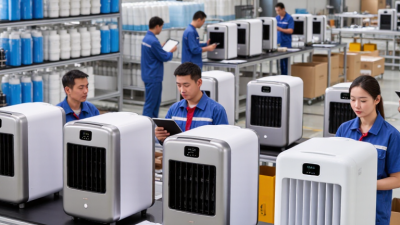
Supplier experience matters. Ask how long they have produced similar units and request photos of production lines, inspection records, and sample test results. A factory that explains failure rates honestly is often more reliable than one promising “zero defects.”
Compare certifications by destination market, not by logo count.
Check whether reports match the exact model, voltage, materials, and factory location. Depending on the market, electrical safety, electromagnetic compatibility, and restricted-substance requirements may apply. Quality management certification can support consistency, but it does not replace product testing. Verify documents through accredited laboratories or recognized certification databases.
This step is easy to skip. It should not be.
Tips:
Build a supplier scorecard. Include compliance, sample quality, response time, minimum order quantity, and warranty handling. Calculate total landed cost, including tooling, packaging, freight, duties, installation, filters, energy use, and possible defects. A cheaper quote may become expensive after repeated replacements. Request a pilot order before a large commitment. Even then, results can vary between batches, so keep inspection criteria measurable. No comparison is perfect. Record the assumptions behind every figure, and review them when shipping rates or regulations change.
What Installation, Maintenance, and Support Should Buyers Expect?
For global sourcing, a built-in humidifier needs more than a strong product specification. Installation should match the building’s ductwork, electrical supply, drainage, and control system. Buyers should request airflow diagrams, voltage options, mounting clearances, and commissioning procedures. Fit matters. A qualified technician should verify water quality and sensor accuracy before handover.
The U.S. Environmental Protection Agency recommends keeping indoor relative humidity between 30% and 50%. This range helps limit excessive dryness and moisture-related problems. ASHRAE’s Handbook—HVAC Systems and Equipment also stresses proper humidification control, distribution, and drainage. Maintenance should include electrode or pad inspection, scale removal, drain testing, and sensor calibration. Service intervals must reflect local water hardness, not only a fixed calendar. That detail is often missed.
Reliable suppliers should provide multilingual manuals, spare-part lists, fault codes, and remote troubleshooting procedures. Buyers should also ask about technician training, response times, warranty boundaries, and replacement-part availability in the destination market. The International Facility Management Association reports that preventive maintenance programs can improve equipment reliability and reduce unexpected downtime, although results vary by facility and execution. Support promises need evidence. Request sample service records and escalation contacts. I would not assume every imported unit suits every climate. A humidifier tested in a dry warehouse may behave differently in a coastal building, and that gap deserves field testing before large-scale purchasing.