Skip to content

How to Choose the Best Humidifier for House Use?

Choosing the best humidifier for house use begins with the room, not the product label. A nursery, bedroom, and open-plan living area need different moisture outputs. The U.S. Environmental Protection Agency recommends maintaining indoor relative humidity between 30% and 50%. That range helps limit excessive dryness while reducing conditions that support mold growth. A small digital hygrometer can reveal what the room actually needs. Guesswork is surprisingly common.

The market also reflects growing interest in indoor comfort. Grand View Research reports continued expansion in the global humidifier market, driven by residential demand and increasing awareness of indoor air quality. However, market growth does not guarantee better performance. It can create more confusing choices. Look for independently verified output ratings, clear tank capacity, automatic humidity control, and accessible cleaning areas. AHAM guidance encourages consumers to compare certified performance information rather than relying only on advertising claims. That distinction matters when a device runs beside a bed for eight hours.

Safety and maintenance deserve equal attention. The U.S. Consumer Product Safety Commission warns that poorly maintained humidifiers may release microorganisms or minerals into indoor air. Distilled water may reduce visible white dust, but it does not replace regular cleaning. The best humidifier for house use should fit your routine, floor space, water quality, and noise tolerance. No model wins every room. A quiet unit with a small tank may suit a bedroom, while a larger room may need stronger output and fewer refills. The perfect choice is rarely perfect; it is simply well matched to real household conditions.
How to Choose the Best Humidifier for House Use?

Define Your Home’s Humidity Needs and Indoor Conditions

Choosing a humidifier should begin with your home’s actual humidity, not room size alone. Measure first. Place a digital hygrometer near the living area and check it morning and evening for several days. Indoor relative humidity commonly feels comfortable around 30% to 50%, but your building may behave differently. Cold windows, persistent condensation, or a musty smell can signal excess moisture. Dry lips, static shocks, and irritated throats may suggest the opposite. These clues help, but they are not a diagnosis.

Consider the room’s heating and airflow. A strongly heated bedroom may need more moisture than a shaded study. An open-plan space needs suitable output, while a small nursery requires careful control rather than maximum power. Keep the humidifier away from curtains, books, and electrical sockets. Hard water can leave white dust, so water quality matters. Follow the cleaning instructions closely; a neglected tank can spread unpleasant microbes through the air. In practice, a quiet corner beside a radiator may collect moisture. Placement can change the result more than expected.

Set a target, then observe the room. If windows fog overnight, lower the setting or improve ventilation. If humidity remains low after several hours, check for drafts, oversized spaces, or an inaccurate reading. Automatic controls are useful, but they still need human judgment. Sensors can sit in the wrong spot. A humidifier should match your habits, maintenance time, and indoor conditions, not just its advertised capacity.
Compare Humidifier Types, Features, and Suitable Room Sizes

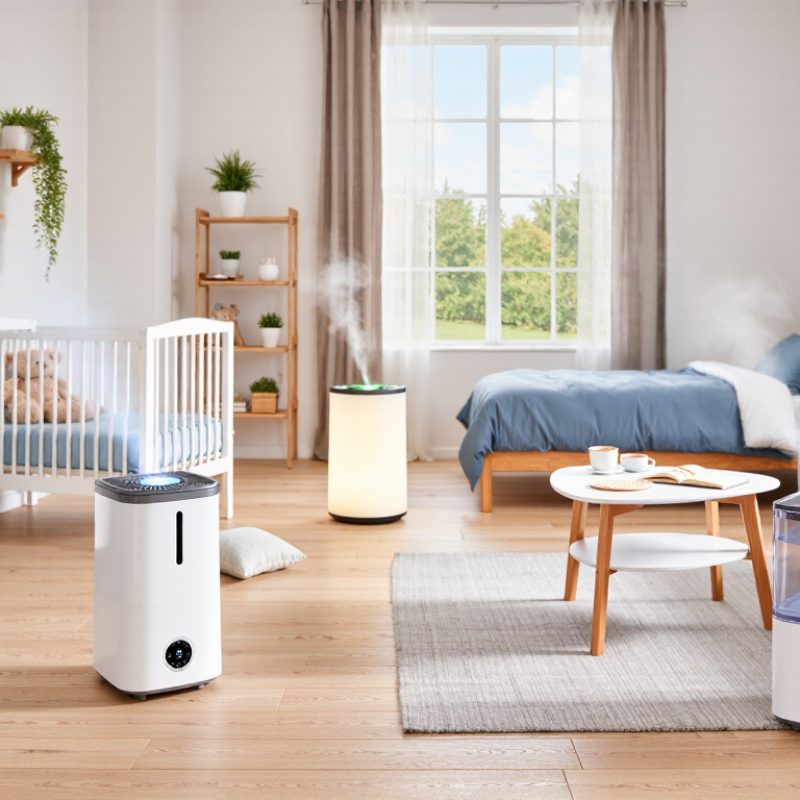
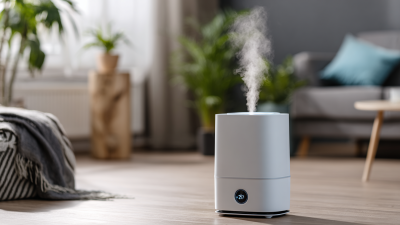
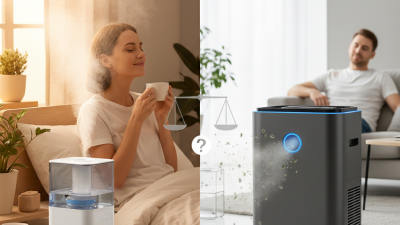
Choosing a humidifier starts with room size, not appearance. The U.S. EPA recommends maintaining indoor relative humidity between 30% and 50%. Measure humidity with a hygrometer before buying. For bedrooms, a quiet ultrasonic model can suit light, localized use. Its fine mist may leave mineral dust when tap water is hard. An evaporative model uses a wick and fan. It usually regulates output more naturally as humidity rises. Steam models heat water, but they consume more energy and need careful placement around children.

Check the stated coverage against your actual room. The AHAM HU-1 standard provides a testing framework for portable household humidifiers, but real homes differ. Open doors, high ceilings, drafts, and insulation can reduce performance. A 200-square-foot bedroom may need a smaller unit, while an open living area needs stronger output. Features matter too: automatic humidity control, low-water shutoff, a visible tank, and easy cleaning. A larger tank is convenient, but stagnant water becomes a maintenance problem. I have found room labels somewhat optimistic; airflow changes everything.

Tips: Set a target near 40%, then adjust slowly. Clean the tank and base as directed. Use low-mineral or distilled water when recommended. Keep the unit several feet from walls and electronics. Replace filters on schedule. Avoid placing warm-mist units beside a child’s bed. EPA guidance also warns that excess humidity can support mold growth and dust mites, so higher is not automatically healthier. Compare noise, cleaning time, replacement parts, and measured output—not only the advertised coverage.

Evaluate Water Quality, Maintenance, Safety, and Operating Costs

How to Choose the Best Humidifier for House Use?

Water quality and maintenance should guide your choice more than mist output. The U.S. Environmental Protection Agency recommends keeping indoor humidity between 30% and 50%. A small hygrometer can verify this beside the bed, where air often feels driest. Tap water may contain minerals that become white dust, especially in ultrasonic units. The U.S. EPA advises using low-mineral or distilled water. It also recommends emptying the tank daily and cleaning portable humidifiers every third day. Measure it daily. No model is maintenance-free.

Safety depends on placement and temperature. The U.S. Consumer Product Safety Commission warns that ultrasonic humidifiers can disperse minerals and microorganisms when tanks or filters are neglected. Keep the appliance on a level, waterproof surface, away from curtains and children. Stop using it if condensation darkens a windowsill or dampens nearby walls. Excess moisture can encourage mold growth. That assumption fails.

Operating cost includes electricity, replacement filters, cleaning supplies, and water. Check the wattage label, then multiply watts by daily hours and your local electricity rate. A 25-watt unit running 12 hours daily uses about 9 kilowatt-hours monthly. Distilled water may cost more than power in some homes. A cheaper purchase can become expensive through frequent filter changes. The U.S. Department of Energy encourages comparing energy use across household appliances, but humidifier performance varies with room size and humidity. I would record humidity for one week before buying; personal comfort can mislead.

Match the Humidifier to Your Household’s Health and Lifestyle Needs

Choosing the best humidifier for house use starts with your household, not the room size alone. A hygrometer can show whether indoor humidity is too low. Aim for roughly 30–50 percent humidity. Dry skin, cracked lips, static shocks, and irritated throats may suggest a need for moisture, but they are not perfect evidence.

Families with young children should consider a cool-mist model. It avoids the burn risk associated with hot water. Place it beyond small hands, and keep the cord away from walkways. People with allergies may prefer an evaporative unit because its wick can limit visible mineral dust. However, the filter needs regular replacement. A person with asthma should ask a healthcare professional for individual advice. Humid air can feel soothing, yet excess moisture may encourage mold and dust mites.

Cleaning often matters more than extra features. I would empty the tank daily, rinse it, and let it dry before refilling. Follow the manufacturer’s cleaning instructions, especially when using treated water. Tap water may leave white residue on furniture. Distilled water can reduce that problem, but it adds ongoing cost. I have found that a quiet unit is easier to use at night, although “quiet” does not always mean silent. A smaller tank may also require frequent refills. That inconvenience is easy to underestimate. Choose controls you will actually check, and keep a simple humidity log for the first week.

Choose the Right Model and Set It Up for Effective Use

How to Choose the Best Humidifier for House Use?

Choose a model by room size, humidity control, and cleaning effort. EPA guidance recommends keeping indoor relative humidity between 30% and 50%. A digital hygrometer helps confirm the real level, because room comfort can be misleading.

I once set a humidifier near a sofa and trusted its built-in sensor. The nearby reading looked acceptable, but the window became damp. That was a useful mistake.

For bedrooms, choose a quiet unit with automatic shutoff and adjustable output. Larger rooms need stronger airflow, but maximum output is not always better.

EPA advises using low-mineral water when possible and cleaning portable humidifiers regularly. Hard water can leave white dust on dark furniture. A cool-mist model avoids hot-water burns, especially around children. Keep it on a stable, waterproof surface, away from walls, curtains, and electrical sockets.

Placement matters more than many buyers expect. Leave clear space around the outlet, then measure humidity several feet away. ASHRAE guidance emphasizes controlling moisture to reduce condensation and building-related problems.

Do not operate the unit continuously without checking the hygrometer. Clean the tank according to the manual, empty standing water daily, and let removable parts dry fully.

Small habits matter. Still, manuals can be vague, and cleaning schedules are easy to underestimate. A practical routine is better than a perfect promise: inspect the tank, check the reading, and adjust output each evening.