Skip to content

What Is a Central Air Humidifier and How Does It Work?

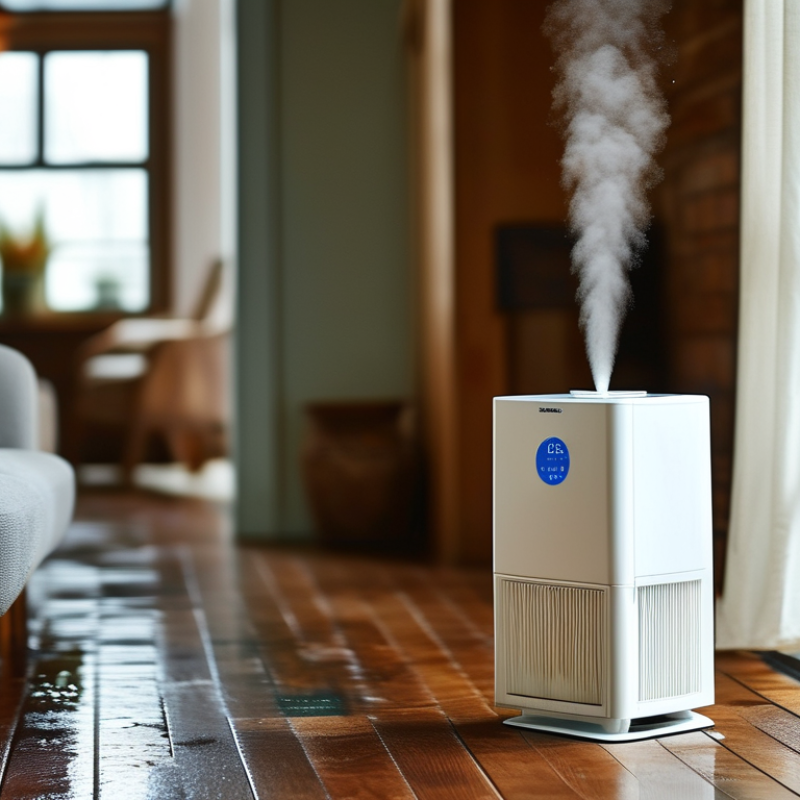
A central air humidifier is a whole-home device connected to your forced-air HVAC system. It adds controlled moisture to dry air before that air travels through the ductwork. Instead of filling one room with mist, it can support more consistent humidity across bedrooms, hallways, and living spaces.

“Humidity is not just a comfort issue; it changes how people experience temperature,” explains David Richardson, an HVAC educator with the National Comfort Institute. His point matters during winter, when heated indoor air can feel harsh against dry skin, wooden floors, and furniture. A central air humidifier usually works with a water panel, a small valve, and a humidistat. When indoor humidity falls below the selected setting, the humidistat signals the system. Water dampens the panel, and warm air passes over it. The airflow carries gentle moisture through the ducts.

The process sounds simple. Real homes are less predictable. Poor duct sealing, oversized equipment, or inaccurate humidity readings can affect performance. Too much moisture may encourage condensation around cold windows or inside hidden building areas. That is why installation, drainage, seasonal adjustment, and regular inspection deserve attention. A comfortable setting is often near 30% to 50% relative humidity, but the best target depends on climate, insulation, and the building itself. I would not treat one number as universal. A central air humidifier can improve winter comfort, but it cannot correct every indoor-air problem. Its value depends on balanced operation, sensible maintenance, and careful observation of the home.
What Is a Central Air Humidifier and How Does It Work?

What Is a Central Air Humidifier?

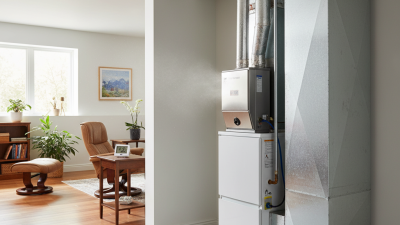
A central air humidifier is a whole-house device connected to a home’s heating and air-conditioning system. Unlike a portable unit, it adds moisture to air moving through the central ductwork. The moisture then reaches rooms through existing supply vents. It is usually installed near the furnace or air handler. Think of it as a quiet water-and-air system.

When indoor air becomes too dry, a humidistat signals the humidifier to operate. Water flows across a pad, rotating drum, or spray surface, depending on the design. Warm or moving air picks up some of that moisture. The blower distributes the adjusted air throughout the house. A drain may remove excess water. Some systems use a bypass duct, while others use a powered fan. The result should feel comfortable, not damp.

A healthy indoor target often sits between 30 and 50 percent relative humidity, measured with a hygrometer. The correct setting changes with outdoor temperature, insulation, and window quality. Too little humidity can irritate skin and make wood floors shrink. Too much can encourage condensation and mold growth. Regular inspection matters. Replaceable water panels need cleaning or replacement, and drains can clog quietly. I once assumed “automatic” meant maintenance-free; that assumption was wrong. Professional installation matters because poor placement can cause leaks or uneven humidity.
How Does a Central Air Humidifier Work?

A central air humidifier adds moisture to the air moving through a home’s HVAC ductwork. It usually connects near the furnace or air handler. A humidistat measures indoor relative humidity, much like a thermostat measures temperature. When humidity falls below the selected setting, the control signals a water valve or steam generator.

In a bypass or fan-powered unit, water wets a replaceable evaporative pad. Warm air passes across the pad and absorbs tiny amounts of moisture. The blower then distributes that air through the supply ducts.

Steam models create vapor directly and inject it into the duct. The controller stops humidification when the target level is reached.

The controller decides.

The U.S. Environmental Protection Agency recommends indoor humidity between 30% and 50% to limit mold, dust mites, and excessive dryness. ASHRAE Standard 55 also recognizes humidity as an important factor in thermal comfort.

These figures are useful, but not universal. A drafty house, cold windows, or poor insulation can create condensation before the room feels comfortable. That detail is easy to miss.

In practice, technicians should check duct airflow, water quality, drain performance, and sensor accuracy. A dirty pad can reduce evaporation and encourage mineral buildup.

I have also seen homeowners set humidity too high during winter, expecting softer air, while wet window frames quietly reveal the problem. A lower setting may work better in that home.

What Are the Main Types of Central Air Humidifiers?

A central air humidifier adds controlled moisture to air moving through a home’s heating or cooling system. It usually connects to the supply or return duct. A humidistat measures indoor humidity and signals the unit when moisture is needed. During dry winter weather, this can reduce static electricity, cracked wood, and irritated skin. However, humidity is not automatically better. Excess moisture can encourage condensation and mold, especially around cold windows. A practical target often sits near 30–50 percent, depending on outdoor temperature and insulation.

Bypass humidifiers use warm furnace air to pass through a water panel. A small valve wets the panel, and air carries moisture into the ductwork. They are relatively simple and use little electricity. They need a nearby drain and regular panel replacement. Fan-powered humidifiers use an internal fan to move air across the wet panel. They can produce more moisture than bypass models and suit shorter duct runs. Still, their fan adds noise and electrical demand. Both types depend on clean water flow and correct installation.

Steam humidifiers heat water in a tank or electrode chamber, then inject steam into the duct. They provide precise output and can operate when the heating system is idle. That makes them useful in very dry homes. Their drawbacks include higher energy use, mineral buildup, and complex servicing. Water quality matters. A professional should check duct placement, drainage, wiring, and humidity settings. Sizing is easy to underestimate. A large house does not always need the largest unit; air leakage and ventilation may matter more.

How Is a Central Air Humidifier Installed and Maintained?

Installing a central air humidifier requires more than attaching a water line to ductwork. A qualified HVAC technician should inspect the furnace, supply ducts, drain route, and electrical capacity first. The humidifier usually mounts near the return or supply air duct, where moving air can absorb moisture. A bypass model needs a duct connection and a small damper. A fan-powered model uses an internal fan. Steam systems require additional electrical protection and careful controls.

The technician should connect a humidistat, shutoff valve, drain tubing, and suitable wiring. Water leaks must be tested before the cabinet is closed. Small installation errors matter. Poor drainage can damage nearby flooring or equipment. After installation, set indoor humidity near 30–50 percent, adjusting it during severe cold weather. Condensation on windows means the setting may be too high.

Maintenance is simple, but easy to neglect. Turn off power before servicing. Replace the water panel or evaporative pad according to its condition, not only the calendar. Hard water may require more frequent replacement. Clean mineral deposits from the tray and inspect the drain for blockage. Check the humidistat response and listen for unusual noises. A yearly professional inspection is sensible, although some homes need service more often. Installation advice can vary with climate, duct design, and furnace type.

Central Air Humidifier: Outdoor Temperature and Recommended Indoor Humidity

A central air humidifier adds moisture to the ductwork so humidified air can circulate through the home. During installation, the unit is typically connected to the HVAC supply or return duct, a water line, a drain, and a humidistat. Indoor humidity is usually reduced during colder weather to help limit window condensation and moisture-related problems. Regular maintenance commonly includes inspecting the water panel, cleaning mineral deposits, checking the drain, and testing the humidistat.

What Are the Benefits and Limitations of Central Humidification?

What Is a Central Air Humidifier and How Does It Work?

A central air humidifier connects to a home’s heating and cooling system. It adds controlled moisture to air moving through the ductwork. A humidistat measures indoor humidity and signals the unit when adjustment is needed. Water may flow across a replaceable panel, or steam may enter the supply air. The moistened air then travels through room vents. On a dry winter morning, this can reduce static shocks and the tight feeling of dry skin.

What Are the Benefits and Limitations of Central Humidification?

The main benefit is consistent humidity across the home. Proper moisture levels may help protect wood floors, musical instruments, and furniture from excessive shrinkage. Some people also find humidified air more comfortable around the nose and throat. They may lower the thermostat slightly, although energy savings are not guaranteed. Comfort depends on insulation, outdoor temperature, and personal preference.

There are limitations. Too much humidity can encourage condensation, dust mites, and mold near cold windows. That is a serious trade-off. Indoor humidity commonly needs monitoring around 30% to 50%, depending on outdoor conditions and the building. Hard water can leave mineral scale on internal parts. Water panels also require seasonal replacement in many systems. A neglected unit may spread stale odors through the ducts. It cannot fix roof leaks, poor ventilation, or existing mold. A qualified technician should check duct connections, drainage, and controls during installation. Homeowners should still use a separate hygrometer, because built-in readings are not always perfectly accurate.

What Is a Central Air Humidifier and How Does It Work? — Benefits and Limitations of Central Humidification

Data Dimension Factual Information Practical Considerations
Definition A central air humidifier is a whole-home appliance connected to a forced-air heating and cooling system. It adds controlled moisture to the air distributed through the home's ductwork. It is designed to humidify multiple rooms rather than only the room where a portable unit is placed.
How It Works A humidistat measures indoor relative humidity. When humidity falls below the selected setting, the humidifier adds moisture to the air stream while the HVAC blower is operating, or activates the blower when the system design permits. Operation depends on compatible HVAC controls, proper airflow, and correct installation.
Main Humidifier Types Common types include bypass evaporative, fan-powered evaporative, and steam humidifiers. Evaporative models use water passing over a wetted panel or pad, while steam models heat water to create vapor. Evaporative units generally require HVAC airflow; steam units can provide more independent moisture output but usually use more electricity.
Typical Humidity Target Indoor relative humidity is commonly managed within approximately 30% to 50%. During cold weather, a lower setting may be needed to reduce condensation on windows and exterior surfaces. The correct setting depends on outdoor temperature, insulation, windows, ventilation, and building construction.
Primary Benefit: Comfort Added moisture can reduce the discomfort associated with dry air, including dry skin, irritated nasal passages, dry throat, and static electricity. Benefits vary by person and are most noticeable when indoor air is significantly dry.
Primary Benefit: Building Materials Maintaining moderate humidity can help reduce excessive drying and shrinking of some wood products, including wood flooring, furniture, and musical instruments. Excess humidity can also damage materials, so humidification should be controlled rather than operated continuously without monitoring.
Primary Benefit: Whole-Home Coverage Moisture is introduced into the central air-distribution system, allowing humidity to be delivered through multiple supply registers. Coverage may be uneven if ductwork, airflow, zoning, or room ventilation is unbalanced.
Limitation: Condensation Risk If indoor humidity is too high for the outdoor temperature, water may condense on windows, cold walls, ductwork, or other surfaces. Condensation can contribute to paint damage, mold growth, wood deterioration, and reduced indoor-air quality.
Limitation: Maintenance Evaporative systems typically require inspection and replacement of the water panel or evaporator pad. Steam systems require cleaning and may need periodic replacement of water-related components. Maintenance schedules vary by water quality, operating time, and equipment design. Follow the installation and service instructions.
Water Quality Considerations Minerals in water can accumulate on evaporative pads, drain components, tanks, or steam canisters. Hard water generally increases mineral buildup. Regular cleaning and suitable replacement parts help maintain performance and reduce blockage or scale-related problems.
Energy Use Evaporative humidifiers usually use relatively little electricity but may consume water and depend on the HVAC blower. Steam humidifiers use electricity to heat water and generate vapor. Actual operating cost depends on climate, humidity settings, equipment type, water consumption, electricity rates, and runtime.
Installation Requirements Installation commonly involves a water supply, drain connection where required, duct mounting, electrical or control wiring, and a humidistat. Steam systems may require additional electrical capacity. Professional installation is advisable because incorrect placement, drainage, wiring, or controls can cause leaks, poor performance, or equipment damage.
HVAC Compatibility Central humidifiers are generally intended for forced-air systems with compatible ductwork and controls. They are not directly suited to homes without a ducted air-distribution system. Homes using radiant heating, ductless systems, or limited ventilation may require a different humidification approach.
Air Quality Considerations Properly controlled humidity may improve comfort, but a humidifier does not replace ventilation, filtration, cleaning, or moisture control. Over-humidification can encourage mold and dust-mite activity, especially in poorly ventilated or damp areas.
Best Use Case Central humidification is most useful in homes with forced-air HVAC systems that experience persistently dry indoor air, particularly during heating seasons. A humidity monitor and a correctly calibrated humidistat help prevent both under-humidification and excessive moisture.