Skip to content

What Is a Dehumidifier Purifier?

A dehumidifier purifier combines two functions that solve different indoor-air problems. It removes excess moisture from the air and filters selected airborne particles. The distinction matters. A purifier does not usually lower humidity, while a dehumidifier may not capture fine particles unless it includes an effective filter. Check the specifications, not just the product name.

The U.S. Environmental Protection Agency recommends keeping indoor relative humidity below 60 percent, ideally between 30 and 50 percent. That guidance offers a useful reference for damp rooms, but it is not a promise that one appliance will prevent every moisture or air-quality problem. The World Health Organization’s Guidelines for Indoor Air Quality: Dampness and Mould also links persistent dampness and mould with respiratory health effects. Small clues can be practical: condensation on a bedroom window, a musty closet, or a damp-feeling laundry room.

Indoor-air researcher Dr. Richard Corsi’s work supports an important distinction: ventilation and filtration address different parts of indoor air quality. A dehumidifier purifier should therefore be judged by its humidity performance, filter type, and room-size rating—not by a broad claim that it “cleans the air.” Read the maintenance instructions, too. A clogged filter or neglected water tank can undermine everyday performance. It is easy to expect one compact machine to fix a whole home. That expectation deserves a second look. In this guide, we explain what a dehumidifier purifier does, where it may help, and what to check before choosing one.
What Is a Dehumidifier Purifier?

Definition and Purpose of a Dehumidifier Purifier

A dehumidifier purifier combines two jobs: it draws moisture from indoor air and filters some airborne particles. The dehumidifier condenses water into a tank or drain; the purifier’s filter captures particles such as dust and pollen. These functions are related, but they are not interchangeable. A filter does not control dampness, and a dehumidifier is not a substitute for particle filtration. The U.S. Environmental Protection Agency recommends keeping indoor relative humidity below 60%, ideally between 30% and 50%, to help limit mold growth. That range is a practical target, not a guarantee of clean air.

The purpose of a combination unit is to address excess humidity and certain airborne particles in one room. It may help in a clammy bedroom or basement, but its effectiveness depends on room size, airflow, filter type, and maintenance. The Association of Home Appliance Manufacturers uses Clean Air Delivery Rate testing to compare particle-cleaning performance; check a unit’s rated coverage rather than assuming “purifier” means it suits every space. It will not fix a leak or remove every gas and odor. One machine can feel convenient, but the label may promise more than its specifications support.

Tips: Use a separate hygrometer to check humidity, and empty or drain the water as directed. Replace filters on schedule. If windows keep fogging or a musty smell lingers, look for the moisture source instead of relying only on the appliance.
How Moisture Removal and Air Filtration Work Together

What Is a Dehumidifier Purifier?

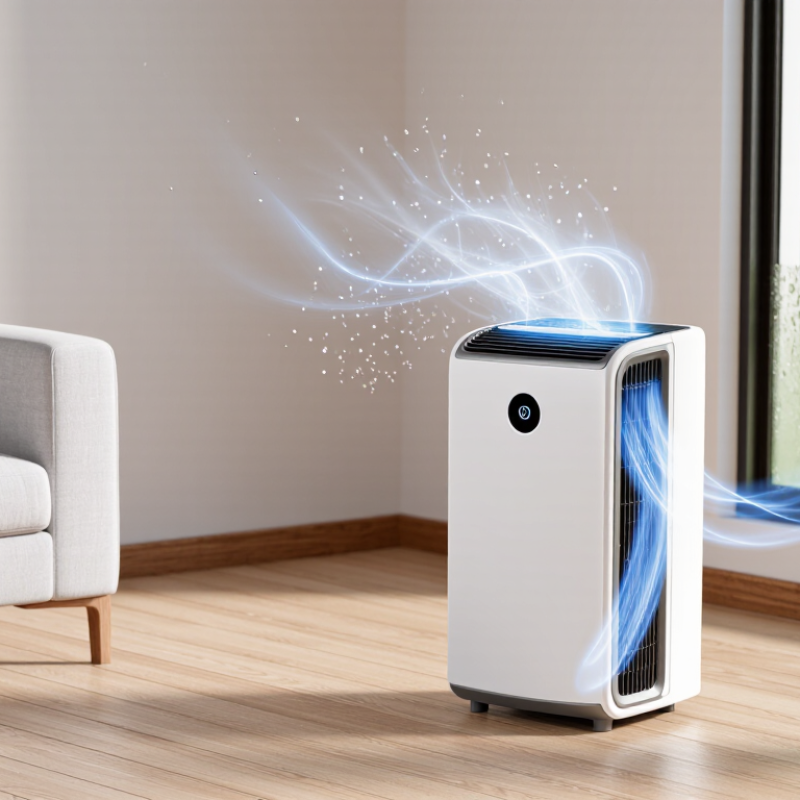
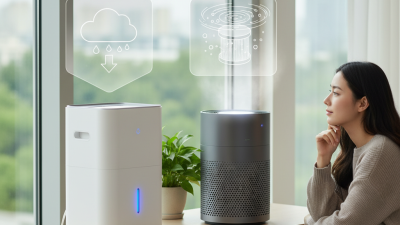
A dehumidifier purifier combines moisture removal with air filtration in one appliance. The dehumidifier pulls in humid room air, cools it so water condenses, then collects that water in a tank or drains it away. The purifier passes air through a filter that can capture particles such as dust and some pollen.

These functions work side by side, but they are not interchangeable. A filter does not dry the room, and lowering humidity does not remove airborne particles. Check the product specifications to learn what its filter is designed to capture.

The combination can be useful in a bedroom, basement, or laundry area where dampness and airborne dust are both concerns. Less moisture may help limit conditions that encourage mold growth, while filtration can reduce certain particles circulating indoors.

Not magic.

Room size, ventilation, filter condition, and humidity all affect performance. A full water tank can stop moisture removal, and a clogged filter can restrict airflow. It is tempting to expect one appliance to fix every air-quality problem, but that is rarely realistic.

Measure humidity, empty or drain the tank, and replace or clean filters as directed. Even then, persistent dampness may point to a leak or ventilation issue that the appliance cannot solve.

Main Components and Available Filter Types

What Is a Dehumidifier Purifier?
Main Components and Available Filter Types

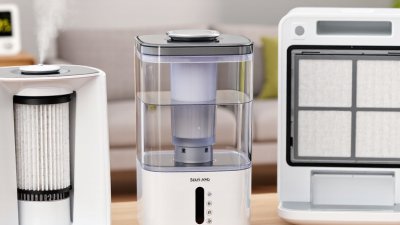
A dehumidifier purifier combines moisture removal with air filtration. Its dehumidifying section typically includes a fan, cooling coils, a water tank or drain, and humidity controls. The purifier section draws room air through one or more filters. Some models share airflow systems, while others use separate paths. Design details vary, so check the manual before cleaning or replacing parts.

Filter choice affects what the unit can do. A washable mesh prefilter catches larger dust and lint, and may help protect finer filters. HEPA-style filters capture many airborne particles, such as pollen and some fine dust. Activated carbon can reduce certain odors and gases, but its effectiveness depends on the carbon amount and replacement schedule. Filters are not interchangeable. A purifier cannot remove every pollutant, and a dehumidifier does not replace ventilation.

Tips: Keep the intake clear; a curtain brushing against it can restrict airflow. Empty the tank before it reaches its limit, and let washable filters dry fully before reinstalling them. Check replacement intervals. They can feel inconvenient, but neglecting them may reduce performance.

What Is a Dehumidifier Purifier? – Main Components and Available Filter Types
Category Component or Filter Purpose Typical Details Care or Considerations
Main component Fan and air inlet Moves room air through the unit and across its moisture-removal and filtration sections. Airflow design and fan speed affect circulation, noise, and overall performance. Keep the inlet and outlet clear; accumulated dust can restrict airflow.
Main component Evaporator coil In refrigerant-based models, cools incoming air so water vapor condenses on the coil. Part of the refrigeration circuit; coil temperature and room conditions influence moisture removal. Keep the coil clean and follow the manual if frost or persistent icing occurs.
Main component Compressor and condenser In refrigerant-based models, circulate refrigerant and release heat as collected moisture is removed from the air. These parts are not used in desiccant dehumidifiers, which remove moisture using a moisture-adsorbing material and a regeneration process. Internal refrigeration components generally require qualified servicing.
Main component Water tank or drain outlet Collects or directs away the water extracted from the air. Some units stop when the tank is full; models with a drain connection can discharge water continuously when correctly set up. Empty and clean the tank regularly, or check the drain hose for secure placement and blockage.
Main component Humidistat and controls Monitor or set the target humidity and control operation; some combination units also provide separate purifier settings. Available controls vary by model and may include a humidity display, timer, or fan-speed selection. A room hygrometer can help compare readings because sensor placement and accuracy vary.
Filter type Washable mesh or screen pre-filter Catches larger particles such as lint, hair, and some dust before air reaches internal parts or finer filters. Commonly reusable; it is not designed to remove fine particles as effectively as a high-efficiency particle filter. Clean and dry it as directed. Do not reinstall it while wet.
Filter type HEPA or HEPA-type particle filter Captures airborne particles, including fine dust and pollen, when used in a properly designed and sealed purifier airflow system. A true HEPA filter is commonly rated to capture at least 99.97% of 0.3-micrometer particles under specified test conditions. “HEPA-type” does not necessarily mean it meets that rating. Usually replaced rather than washed; follow the unit’s replacement schedule and instructions.
Filter type Activated-carbon filter Adsorbs some odors and gaseous compounds from air passing through the carbon. Performance depends on carbon quantity, filter design, airflow, and the type and concentration of gases; it does not remove humidity. Replace when spent or as directed. Ordinary carbon filters are not generally regenerated by washing.
Filter type Combined particle-and-carbon filter Combines particle capture with odor or gas adsorption in one filter assembly. The particle-filter grade and amount of carbon differ between designs; a combined filter does not automatically have a HEPA rating. Replace the assembly according to its instructions; check whether any pre-filter is separately washable.
Note: A dehumidifier purifier combines moisture removal with some form of air filtration, but features differ by model. Filtration does not replace ventilation, source control, or appropriate humidity management.

Benefits and Limitations for Indoor Air Quality

A dehumidifier purifier combines moisture control with air filtration, but the two functions solve different problems. The dehumidifier collects water from humid air; a filter may capture particles such as dust and pollen. Check the product specifications, because “purifier” does not guarantee a particular filter or performance level. A damp bedroom can feel less clammy after humidity drops. That helps.

There are limits. These units do not automatically remove every pollutant, and a particle filter may not capture gases or odors. Performance also depends on room size, airflow, filter condition, and how the appliance is placed. A clogged filter can reduce airflow, while a full water tank may stop moisture removal. Maintenance matters.

Noise, energy use, and regular filter or tank care can make a combined unit less convenient than expected. It may also warm the room slightly during operation. For a realistic check, use a separate hygrometer and compare its reading with the unit’s display. Indoor humidity around 30–50% is commonly recommended, though comfort and building conditions vary. I would not assume one appliance can fix a persistent leak or mold problem; finding the moisture source still matters.

Choosing and Maintaining a Suitable Unit

A “dehumidifier purifier” combines moisture removal with particle filtration, but each function needs separate checks. Start with room size, dampness, and the pollutants you want to reduce. The U.S. EPA recommends keeping indoor relative humidity below 60%, ideally between 30% and 50%. A digital hygrometer near a bed or laundry area can show whether the unit is keeping pace.

Check its moisture-removal capacity against your room and local conditions; advertised pint ratings may use warmer, wetter test conditions. Do not choose by tank size alone.

For filtration, compare clean air delivery rate (CADR) with floor area. AHAM’s room-sizing guidance recommends a smoke CADR of at least two-thirds of the room’s area in square feet, assuming a standard ceiling height. Larger rooms or high ceilings need more capacity. Check filter type and replacement cost, too; particle filters do not remove every gas or odor.

Maintenance matters. Empty and clean the tank as directed, clear the air intake, and inspect coils for dust or frost. Replace filters on schedule, not only when airflow feels weak. Keeping a simple humidity and filter-date log may feel fussy, but it can reveal a poor fit before damp corners return.