Skip to content

Best Filters for Humidifiers in 2026

In 2026, choosing the best filters for humidifiers means looking beyond the product label. The right filter must fit the exact model, suit the water conditions, and be easy to replace. A filter that looks clean may still have mineral buildup or reduced absorption. Small details matter.

Penn State indoor-environment researcher and ASHRAE expert William P. Bahnfleth has studied humidity control. A practical paraphrase of his evidence-based approach is: “Measure indoor conditions; don’t rely on guesswork.” This is a paraphrase, not a verbatim quotation. It captures a useful starting point: check room humidity and follow the humidifier maker’s guidance before buying replacement media.

There is no universal best filter. Wick filters can trap minerals as water evaporates, while some models use cartridges for different purposes. Check the model number, replacement schedule, and cleaning instructions. Look for clear specifications, not vague claims about “cleaner air.” Hard water may leave a white crust on the filter and shorten its useful life. That can be frustrating. Even careful maintenance cannot make an incompatible filter work well. This guide compares common filter types, practical buying details, and maintenance needs, so readers can choose with fewer surprises—and know when the choice deserves a second look.
Best Filters for Humidifiers in 2026

How Humidifier Filters Work

How Humidifier Filters Work

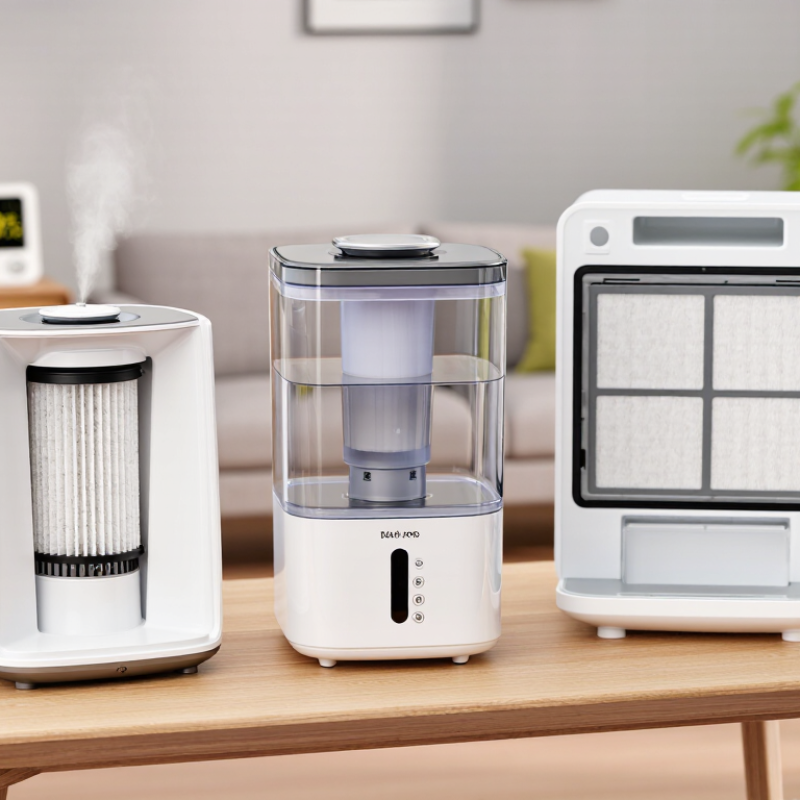
A humidifier filter helps manage what moves from the water tank into room air. In an evaporative model, a wick filter draws up water like a paper towel. A fan pushes air through the damp material, and water evaporates into the room. Some minerals and debris stay behind in the wick, which can become stiff or discolored over time. The filter does not make dirty water safe, and it is not a substitute for cleaning.

Other humidifiers use different filter designs, so check the manual before buying a replacement. A filter that does not fit may let water bypass it. The U.S. Environmental Protection Agency advises cleaning portable humidifiers every three days and using water with low mineral content. The EPA also recommends keeping indoor relative humidity ideally between 30% and 50%. These figures are useful reference points, not a promise that a filter alone will prevent mold or mineral dust. Real rooms vary.

Tips: Check the wick weekly. Replace it when it smells musty, feels crusty, or no longer draws water evenly. Rinse the tank and let parts dry fully. Small detail, big difference. I still find filter color hard to judge on its own; follow the care instructions and watch for reduced output. Sources: U.S. EPA, “Use and Care of Home Humidifiers” and “A Brief Guide to Mold, Moisture and Your Home.”
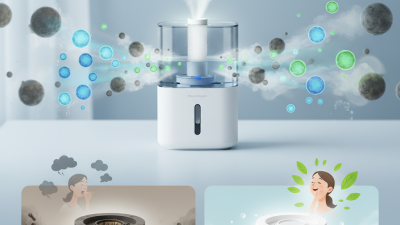
Main Types of Humidifier Filters in 2026

Best Filters for Humidifiers in 2026
Main Types of Humidifier Filters in 2026

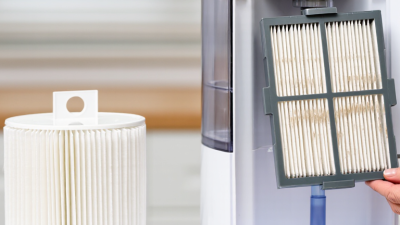
Evaporative humidifiers use a wick filter that draws up water while a fan moves air through it. Mineral deposits and dust can collect in the wick, reducing airflow over time. Replace it when the manual recommends, or sooner if it smells musty or looks heavily scaled. Fit matters. A similar-looking wick may not match your unit.

Demineralization cartridges are often used with ultrasonic humidifiers. Their resin can reduce minerals in the water, which may help limit fine white dust on nearby furniture. Results depend on water hardness, cartridge condition, and the humidifier design. Some models also have small air-intake filters that catch household dust before it reaches internal parts. These are not substitutes for water treatment or regular cleaning. Steam humidifiers usually rely on periodic descaling rather than a replaceable wick. Filter needs vary.

Tips: Check the user manual before buying. Use the specified filter type, and note its replacement date. A filter cannot make a dirty tank safe; empty and clean the tank as directed. I used to assume a new cartridge fixed every issue. It didn’t—stale odors can point to cleaning or water problems instead.

Best Filters for Humidifiers in 2026

Main Types of Humidifier Filters

Evaporative wicks trap minerals as air passes through them, while demineralization cartridges help reduce mineral deposits and white dust. Antimicrobial-treated wicks are designed to inhibit microbial growth on the filter material. Replacement intervals vary with the model, usage, and water quality; follow the humidifier’s care instructions.

Intervals shown are broad, model-dependent guidance—not a universal replacement schedule.

Key Factors for Comparing Filter Performance

Best Filters for Humidifiers in 2026

Key Factors for Comparing Filter Performance

Filter performance depends on the humidifier type and your water supply. Evaporative wick filters draw water upward while a fan moves air through the damp material. A suitable wick should fit securely and maintain steady moisture output. If it clogs quickly, the room may feel dry even when the tank is full.

For ultrasonic models, demineralization cartridges can reduce mineral particles released into the air. They do not replace regular cleaning or make untreated water sterile. Check the stated replacement interval, cartridge capacity, and compatibility with your exact model. Small details matter. Hard water can shorten filter life, so look for guidance that accounts for water quality rather than relying on a single advertised duration. Compare replacement cost over a season, not just the initial price.

Ratings are not always directly comparable. Testing methods and household conditions vary. A filter that performs well in one room may struggle with heavy use or mineral-rich water. Notice signs such as reduced mist, visible residue, or a wick that stays stiff after soaking. A clean-looking filter can still be less effective; appearance alone is an imperfect measure. Follow the humidifier’s instructions, and replace filters when performance declines or the recommended interval arrives.

How to Choose a Filter for Your Humidifier

Best Filters for Humidifiers in 2026

Choosing a filter starts with your humidifier’s design, not a universal “best” label. Evaporative models usually need a wick that fits the unit precisely. A loose or incorrect wick can reduce airflow and leave moisture output uneven. Check the model number and filter dimensions in the manual. Check the fit.

For ultrasonic humidifiers, a demineralization cartridge may help reduce white mineral dust on nearby furniture. Its performance depends on your water’s mineral content, and it will not remove every mineral. Not always. If your tap water is hard, compare the cartridge instructions with your local water quality information. Distilled water may also reduce mineral residue, if the manual allows it.

Replacement timing varies with use, water quality, and the filter itself. Follow the maker’s schedule, but inspect the filter for stiffness, discoloration, or buildup between changes. A filter is not a substitute for cleaning the tank and base; stagnant moisture can still encourage microbial growth. This detail is easy to overlook. Rinse or replace parts only as directed, and avoid cleaning agents that the manual does not approve. A filter that seems to fit is not necessarily compatible, so verify the exact model before buying.

Best Filters for Humidifiers in 2026 – How to Choose a Filter for Your Humidifier

Filter type What it does Best suited to Replacement and care Important considerations
Evaporative wick filter Absorbs water, which a fan moves air through to support evaporation. Mineral deposits can build up in the wick. Evaporative humidifiers that use a replaceable wick. Replace according to the humidifier manual. Hard deposits, discoloration, odor, or reduced performance may indicate that it needs attention sooner. Wicks are model-specific. They do not make untreated water sterile; clean the unit as directed.
Demineralization cartridge Helps reduce minerals in the water before it is dispersed. Performance depends on the cartridge and the water’s mineral content. Compatible ultrasonic or other humidifiers whose manuals specify this cartridge type. Follow the manufacturer’s replacement instructions; hard water can shorten useful life. It may reduce mineral residue or visible white dust, but results vary. Check compatibility and consider distilled or demineralized water if recommended.
Air-intake dust filter Screens some airborne dust before air enters the humidifier; it is separate from a water-treatment filter. Humidifiers designed with a removable air filter. Clean or replace only as directed in the manual. Some filters are washable; others are disposable. Not every humidifier has one. It does not remove minerals from the water or replace room air-cleaning equipment.
Whole-house humidifier water panel Distributes water over a panel in many duct-mounted bypass or fan-powered humidifiers to support evaporation. Compatible central humidifiers connected to a home’s heating and air-conditioning system. Inspect and replace on the schedule specified for the unit; mineral scale can affect the panel over time. Panel shape and fit vary by system. Shut off power and water before servicing, following the unit’s instructions.

Choosing tip: Match the filter to the humidifier’s exact model and filter type. Replacement intervals vary with water quality, use, and the manufacturer’s instructions. Regularly clean and dry the humidifier as directed.

Cleaning, Replacement, and Safe Filter Use

Humidifier filters work best when care is routine, not reactive. The U.S. Environmental Protection Agency’s Use and Care of Home Humidifiers guidance recommends keeping indoor relative humidity between 30% and 50%. A small hygrometer near the room’s center can help prevent damp windowsills and clammy walls. EPA also advises cleaning portable humidifiers every third day and changing their water daily. Easy to forget. Before cleaning, unplug the unit and check its manual: some filters are washable, while disposable wick filters can lose their structure when rinsed. Never guess.

Minerals from tap water may collect as pale crust on a filter or appear as white dust nearby. Empty the tank, rinse it, and clean removable parts as directed; don’t mix cleaning products. Let parts dry fully before reassembly. A filter that smells musty, stays discolored after approved cleaning, or no longer draws water evenly may need replacing. There is no reliable universal replacement interval; follow the unit’s instructions and inspect the filter regularly. I’d check it weekly during heavy use, even when the calendar says replacement is months away. That habit is imperfect, but visible wear can show up before a scheduled change. Keep spare filters sealed and dry, and wash your hands after handling a used one.