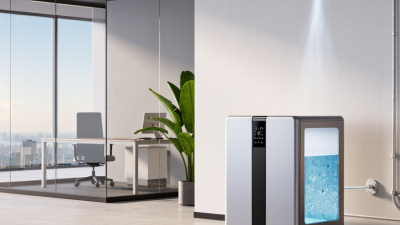
Choosing a built in humidifier supplier in China involves more than comparing unit prices. The right manufacturer should understand how the product fits into a room, appliance, or building system. A compact reservoir, clear water-level indicator, and easy-to-reach filter can make daily use much simpler. Small details matter. They often reveal how carefully a product was designed.
This guide introduces ten manufacturers for buyers researching China’s built-in humidifier market. It considers product range, customization options, production experience, quality controls, and customer support. These factors help create a useful shortlist, but they do not guarantee that every supplier suits every project. Buyers should review current specifications, request relevant test documents, and confirm what each quoted price includes. Ask about humidity control, noise levels, cleaning access, replacement parts, and performance in the intended installation. A sample can expose practical issues that a brochure may miss. That step takes time. It is worth considering. Manufacturer information can change, and public descriptions may not answer every technical question. Treat this overview as a starting point, then verify key details directly with each company before making a decision.
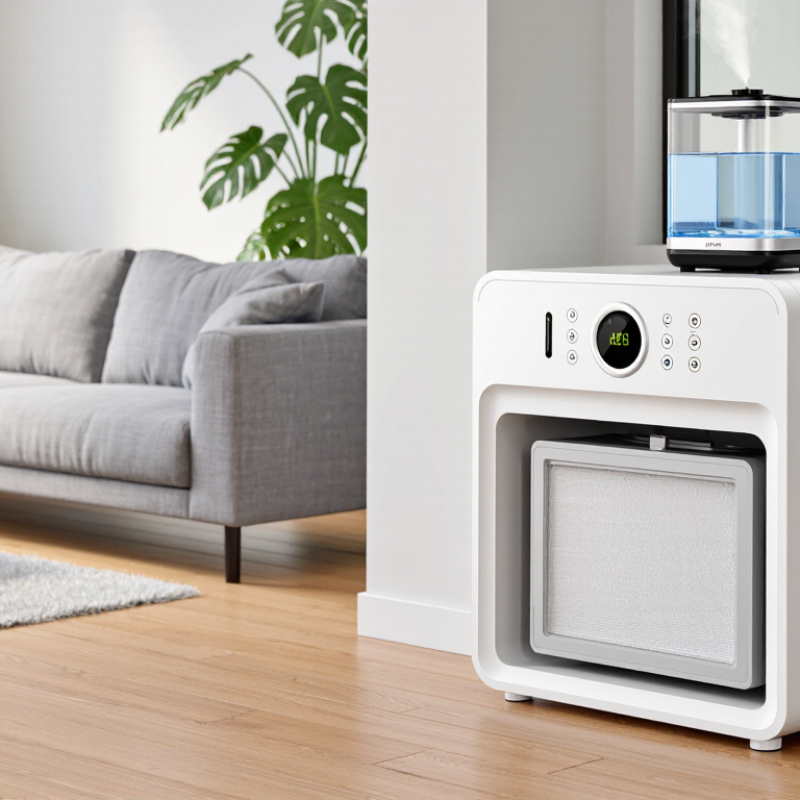
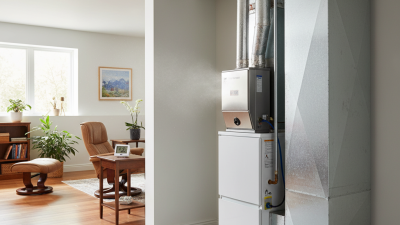
A built-in humidifier adds moisture to a home’s ductwork, distributing it through the heating or ventilation system. Common designs include evaporative units, which pass air across a water-fed panel, and steam units, which send generated steam into the airflow. A humidistat measures indoor relative humidity and signals the unit to operate when levels fall below its setting. The central blower then carries moisture from room to room.
The U.S. Environmental Protection Agency’s A Brief Guide to Mold, Moisture and Your Home recommends keeping indoor humidity below 60%, ideally between 30% and 50%. That range is a useful operating reference, not a guarantee against condensation. On a cold morning, a fogged window or damp sill can show that moisture is collecting on a cool surface. That detail matters. A wall humidistat may not detect a chilly corner or closed bedroom, so check vulnerable rooms and adjust the setting when needed. Built-in systems can make moisture control more even than a single portable unit, but they still need maintenance: inspect the water panel, drain, and sensor, and follow the equipment instructions. A setpoint is only a guide. Room conditions can differ.

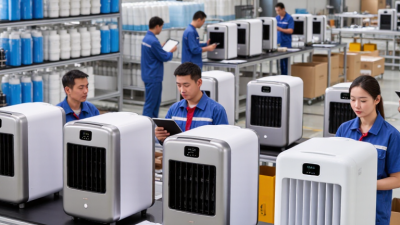
China’s built-in humidifier manufacturing landscape combines appliance engineering, component sourcing, and contract production. Manufacturers may supply complete units or specialize in tanks, control boards, sensors, and misting assemblies. Their products can be designed for HVAC systems, cabinets, or other equipment, so installation space and airflow requirements matter. Details matter. Capabilities vary between factories, and a polished catalogue does not always show how a unit performs after extended use.
When evaluating suppliers, ask for test data on output, noise, water leakage, and operation under different humidity conditions. Check how the design handles cleaning, mineral deposits, and sensor placement. A compact unit may fit neatly inside a cabinet but leave little room for maintenance. Request drawings and samples that match your intended installation, then confirm tolerances and inspection procedures. The picture is not perfectly uniform: documentation and testing depth can differ, even among experienced manufacturers. That is worth checking early.
Tips: Compare like-for-like specifications, not headline output alone. Ask how parts are replaced and whether the design allows access without removing surrounding equipment. A clear answer is useful; vague promises deserve a follow-up.
When comparing Chinese built-in humidifier manufacturers, examine engineering evidence before catalog breadth. Trace the water path, sensor position, drain access, and cleaning steps. Ask for output tests at different temperatures, not one showroom reading. Check whether mist output, noise, and power use match repeatable records. Small details matter. A float valve that sticks can stop the whole unit.
Humidity control affects indoor conditions. The WHO’s 2009 Guidelines for Indoor Air Quality: Dampness and Mould reports dampness in roughly 10–50% of homes across studied regions, with rates varying by climate and survey. The U.S. EPA’s A Brief Guide to Mold, Moisture and Your Home recommends keeping indoor relative humidity below 60%, ideally between 30% and 50%. Ask suppliers for sensor accuracy, test methods, and proof of automatic shutoff at high humidity.
Review production controls, too. ISO 9001 certification is useful, but it does not prove every finished unit works reliably. Request batch inspection records, leakage results, and endurance logs; independent tests from an ISO/IEC 17025-accredited laboratory add credibility. A small pilot order can reveal assembly variation and service-access problems. Paperwork can still look cleaner than production. Check spare-part availability and repair response times before agreeing on volume.
China’s built-in humidifier sector includes manufacturers with different engineering strengths. A useful profile of ten leading suppliers should compare more than product photographs. It should examine installation formats, control systems, output stability, and after-sales support. These details matter when units must fit inside cabinets, air handlers, or room systems.
Some manufacturers focus on compact ultrasonic modules, while others develop evaporative designs for larger spaces. Several offer OEM or ODM production, helping buyers adapt housings, sensors, and control panels. Others concentrate on commercial equipment, where steady operation and straightforward maintenance are central. Ask each supplier for relevant test data, material specifications, and installation guidance. Look closely at noise levels and water-tank access. Small details can become costly.
A careful comparison also checks production capacity, quality-control steps, and response times for replacement parts. Request samples or technical drawings before committing to a design. Claims may sound polished. Verify them. Supplier profiles should distinguish proven capabilities from catalog language, since specifications can vary by model and configuration. One limitation remains: a factory’s strongest product may not match every project’s climate, water conditions, or maintenance plan. Direct technical review is still essential.
For China’s top 10 built-in humidifier manufacturers, compare more than rated output. Check whether each unit uses evaporative or ultrasonic humidification, and ask for its capacity at stated temperature and humidity conditions. A model rated for 1,000 square meters may perform differently in a drafty room with high ceilings. Small details matter: drain access, sensor placement, noise levels, and whether filters are readily available. EPA guidance recommends indoor relative humidity between 30% and 50%, and below 60%, to help limit moisture problems. Ask manufacturers how their controls prevent over-humidification—not just how quickly the unit adds moisture.
Certifications need careful checking. Request current test reports, the exact model numbers covered, and confirmation that the reports come from an accredited laboratory. Electrical safety, electromagnetic compatibility, and materials-contact documentation may differ by destination market. ASHRAE’s HVAC guidance can help buyers assess system design, but it does not replace product-specific testing. Support deserves the same scrutiny. Ask about spare-part availability, warranty exclusions, commissioning instructions, and response times for technical questions. Get answers in writing. A polished brochure is not a service plan. Some comparisons still rely too heavily on headline capacity; I would treat that figure cautiously unless test conditions are disclosed.
Indoor humidity reference for evaluating built-in humidifier controls. EPA guidance recommends maintaining indoor relative humidity between 30% and 50%, and avoiding sustained levels above 60%. The chart shows general guidance, not manufacturer-specific ratings.