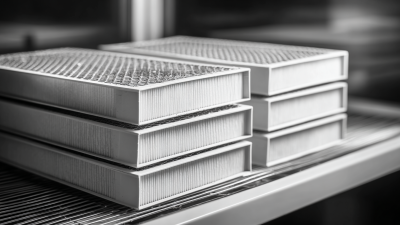
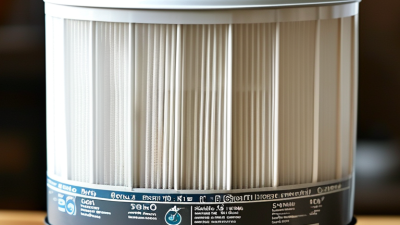
A dehumidifier can quietly collect moisture all day, but its filter faces a less visible burden. Dust, pet hair, skin particles, and airborne fibers gradually cover its surface. As the filter clogs, airflow weakens, energy use may rise, and moisture removal can become less effective. The room may still feel damp, even when the appliance appears to be running normally.
Building scientist Joseph Lstiburek has repeatedly stressed, “If you don’t control water, you don’t control mold.” His point reaches beyond walls and drainage. It also applies to the small filter protecting a dehumidifier’s internal coil. A neglected filter can hold moisture and debris close to the machine, creating an unpleasant odor and reducing performance. Not ideal.
Replacing dehumidifier filters is therefore more than a routine maintenance task. It supports cleaner airflow, steadier operation, and better humidity control. Still, replacement timing is not identical for every home. A basement with concrete dust needs different attention from a quiet bedroom with little airborne debris. Pets, renovation work, seasonal humidity, and continuous operation all change the maintenance schedule.
Look closely. Is the filter gray, warped, damp, or difficult to clean? Those details matter. The manufacturer’s instructions remain the safest starting point, but real household conditions deserve honest attention. Some filters can be washed and reused; others must be replaced. Confusing the two can damage the appliance.
This guide explains why dehumidifier filters need replacing, what warning signs to notice, and how simple maintenance protects performance before a small problem becomes an expensive one.
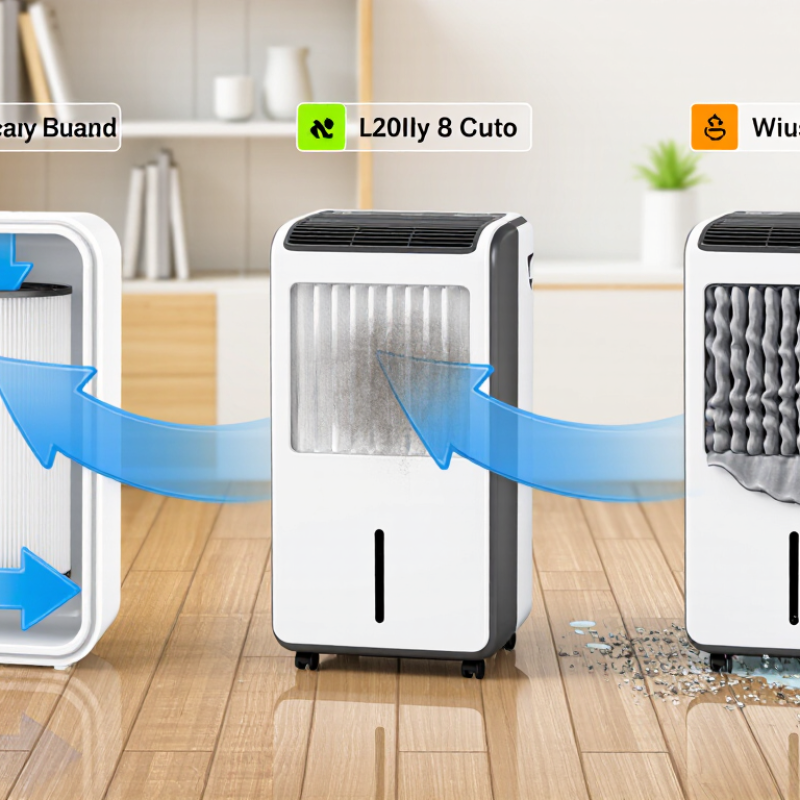
A dehumidifier filter catches airborne dust, lint, and pet hair before air reaches the cooling coil and fan. Think of the gray fuzz on a bedroom filter after a week near a shedding dog. Without that barrier, debris can collect on internal surfaces and restrict airflow. The unit may then remove moisture less effectively or run longer. The filter helps protect the appliance; it is not a substitute for a dedicated room air cleaner.
Clean airflow matters when managing damp rooms. The U.S. Environmental Protection Agency recommends keeping indoor relative humidity below 60%, ideally between 30% and 50%. A clogged filter cannot set humidity by itself, but restricted airflow can make the dehumidifier’s work harder. Small part. Real impact.
ENERGY STAR advises cleaning a dehumidifier’s filter regularly, often every few weeks, while following the unit’s own instructions. A quick check can reveal a dusty mesh or a layer of lint. Wash only if the filter is designed to be washable, then let it dry fully before reinstalling. I sometimes overlook how quickly fine dust builds up; a clean-looking grille does not always mean a clean filter. EPA humidity guidance and ENERGY STAR maintenance advice offer practical reference points, but neither replaces the manufacturer’s care instructions.
| Data Dimension | What the Filter Does | Typical Information | Why Replacement or Cleaning Matters |
|---|---|---|---|
| Primary function | Captures airborne dust, lint, hair, and other particles before air reaches the internal components. | Most household dehumidifiers use a washable or replaceable mesh-style air filter. | A clean filter supports steady airflow and helps protect the evaporator coil and fan from dust buildup. |
| Moisture-removal support | Allows humid room air to pass through the appliance so moisture can condense on the cold coil. | The filter does not remove water directly; the refrigeration or desiccant system performs that function. | Restricted airflow can reduce dehumidifying performance and may make the unit run longer. |
| Common filter materials | Provides a surface that traps particles while allowing air to pass through. | Common materials include plastic mesh, foam, or synthetic fiber media, depending on the appliance design. | Damaged, stretched, or permanently clogged media may no longer filter effectively or maintain adequate airflow. |
| Recommended inspection | Lets users check whether dust and lint are accumulating on the filter surface. | Inspect the filter approximately every 2–4 weeks during frequent or continuous use. | Inspection frequency should increase in dusty rooms, homes with pets, or areas undergoing renovation. |
| Washable-filter care | A washable filter can be cleaned and reused when it remains intact. | Remove loose dust, wash according to the appliance instructions, and allow the filter to dry completely before reinstalling. | A wet filter can restrict airflow and may encourage odor or microbial growth inside the appliance. |
| Replacement trigger | Signals when cleaning is no longer enough to restore the filter’s condition. | Replace the filter when it is torn, warped, brittle, permanently blocked, or cannot be cleaned effectively. | A damaged filter can allow particles into the appliance and may fail to provide even airflow. |
| Visible warning signs | Shows that accumulated debris is affecting the air path. | Typical signs include reduced airflow, increased operating time, unusual odor, or repeated filter alerts. | These signs should prompt a filter inspection before assuming the appliance has a mechanical fault. |
| Energy and operating impact | Helps maintain the airflow needed for normal operation. | A clogged filter can increase airflow resistance and may cause the unit to operate less efficiently. | Regular cleaning and timely replacement can help avoid unnecessary runtime and stress on the fan and cooling system. |
| Indoor-air limitation | Provides basic particle protection for the appliance and the air passing through it. | A standard dehumidifier filter is not automatically a high-efficiency particulate or odor filter. | Do not rely on a standard filter alone for smoke, fine-particle, allergen, or odor control unless the appliance is specifically designed for it. |
| Safe maintenance practice | Keeps the filter and air path free from avoidable contamination. | Switch off and unplug the unit before removing the filter; follow the appliance instructions for cleaning or replacement. | Correct maintenance reduces the risk of electrical contact with water and prevents damage caused by improper cleaning. |
Note: Filter construction, cleaning instructions, and replacement timing vary by appliance. Always follow the specific care instructions supplied with the dehumidifier.
Why Do Dehumidifier Filters Need Replacing?
How Dust and Moisture Affect Filter Performance
Dust does more than make a filter look dirty. It covers the filter surface and restricts airflow through the dehumidifier. The U.S. Environmental Protection Agency reports that indoor pollutant levels are often two to five times higher than outdoor levels. Dust can therefore accumulate faster than expected, especially in bedrooms, basements, and laundry areas.
Moisture makes the problem worse. A damp filter can trap fine particles, develop unpleasant odors, and increase resistance to airflow. Reduced airflow may force the unit to work longer while removing less water. ASHRAE guidance identifies moisture control and filtration as important parts of indoor air quality management. However, a filter is not a substitute for cleaning coils, drainage channels, or surrounding surfaces.
Check the filter every two to four weeks. Look for gray dust, soft spots, dampness, or weaker airflow. Replace it when cleaning no longer restores its structure. Small details matter.
I once assumed a slightly darkened filter was still acceptable. That judgment was probably too casual. Filter life depends on room dust, humidity, pets, and operating hours, so a fixed replacement date can mislead. Follow the equipment manual, but inspect the filter more often in dusty or persistently humid spaces. The EPA’s Indoor Air Quality guidance supports regular source control and maintenance, not delayed replacement.
Dust accumulates on a filter and can restrict airflow. Moisture can make trapped dust clump, so inspect the filter regularly and clean or replace it according to your dehumidifier’s instructions.
The chart shows standard PM10 and PM2.5 particle-size thresholds in micrometers—not filter efficiency or a replacement interval. Actual filter performance depends on the filter design and how much dust and moisture it collects.
A clogged dehumidifier filter restricts the air moving through the unit. Dust, lint, and pet hair can form a gray layer across the mesh, especially in rooms with rugs or open windows. Less airflow can make moisture removal slower and leave the compressor running longer. You may notice damp air lingering, a fuller water tank taking longer to collect, or warm air barely coming from the outlet. Small signs matter.
A dirty filter does not always need replacing. Some are designed to be rinsed and dried; others are disposable, so check the unit’s instructions before cleaning. If the mesh is torn, warped, or still blocked after careful cleaning, replace it with the specified filter size. Turn the dehumidifier off and unplug it before opening the filter panel. Let a washable filter dry completely before reinstalling it; damp material can collect dust quickly. A quick monthly inspection is a practical habit, though dusty homes may need more frequent checks. It is easy to blame the machine when performance slips. Sometimes the filter is the plain, overlooked cause.
A dehumidifier filter may be worn out when dust stays visible after cleaning, the mesh looks torn, or airflow feels weaker at the outlet. A musty smell can also be a clue, though it may come from a dirty tank or damp room rather than the filter itself. Check the unit’s manual before replacing anything; washable screens and disposable filters are not interchangeable. Small details matter. A filter that no longer sits flat can let dust bypass it.
Performance offers another sign. If the room stays clammy despite closed windows and a correctly sized, running unit, inspect the filter and intake for blockage. The U.S. Environmental Protection Agency recommends keeping indoor relative humidity below 60%, ideally between 30% and 50%. That range is a useful reference, not proof that a filter is failing. Measure humidity with a hygrometer, then compare the reading over several days. I might blame the filter too quickly; a full bucket, iced coils, or a room that is simply too large can produce similar symptoms. Replace a damaged filter, and clean reusable screens as directed.
A dehumidifier filter does more than catch visible dust. It protects the coil and keeps damp air moving through the machine. When the filter is clogged, moisture removal slows, electricity use can rise, and the unit may collect ice. In a dusty room, I inspect the filter every two weeks. A busy workshop may need more frequent checks. The right schedule depends on real conditions, not the calendar alone.
Before buying a replacement, switch off and unplug the dehumidifier. Remove the old filter and record its length, width, thickness, and frame shape. Match these measurements with the appliance manual, not a guess based on appearance. Check whether the filter is washable mesh or disposable media. They are not interchangeable. A loose filter can let dust bypass the coil. A filter that is too dense can restrict airflow. Careful measurement matters here.
Wash reusable mesh with mild soap and lukewarm water, then let it dry completely. Never reinstall it while damp. For a disposable filter, follow the airflow direction and seat every edge firmly. I once chose a filter that looked correct but was slightly thick. The machine became noticeably noisier. That mistake reminded me to test airflow after installation. Run the unit for several minutes, listen for unusual sounds, and check that air exits freely. Keep the old filter until the new one proves suitable.