7 Furnace Humidifier Maintenance Tips
A furnace humidifier can add welcome moisture to dry winter air, but only when its water panel, drain, and controls are working properly. A crust of white mineral scale, a sluggish drain, or a musty smell can signal that routine attention is overdue. Furnace humidifier maintenance helps protect comfort and supports reliable operation; it does not replace the furnace manufacturer’s instructions or a qualified technician’s diagnosis.
A trustworthy expert quotation needs a verifiable source. No article or quotation was provided, so I won’t invent a named expert’s words. Instead, this guide focuses on practical checks homeowners can confirm: inspect the humidifier pad, clear debris from the drain, check for leaks around the cabinet, and follow the recommended service schedule. Small details matter. A damp patch beneath the unit deserves attention, even if the furnace still runs normally.
The seven tips ahead are designed to make seasonal care clear and manageable. Some tasks are simple, but not every repair is a do-it-yourself job. If you find damaged wiring, persistent leaks, or controls that do not respond, stop and contact a qualified HVAC professional. A little caution is useful here.
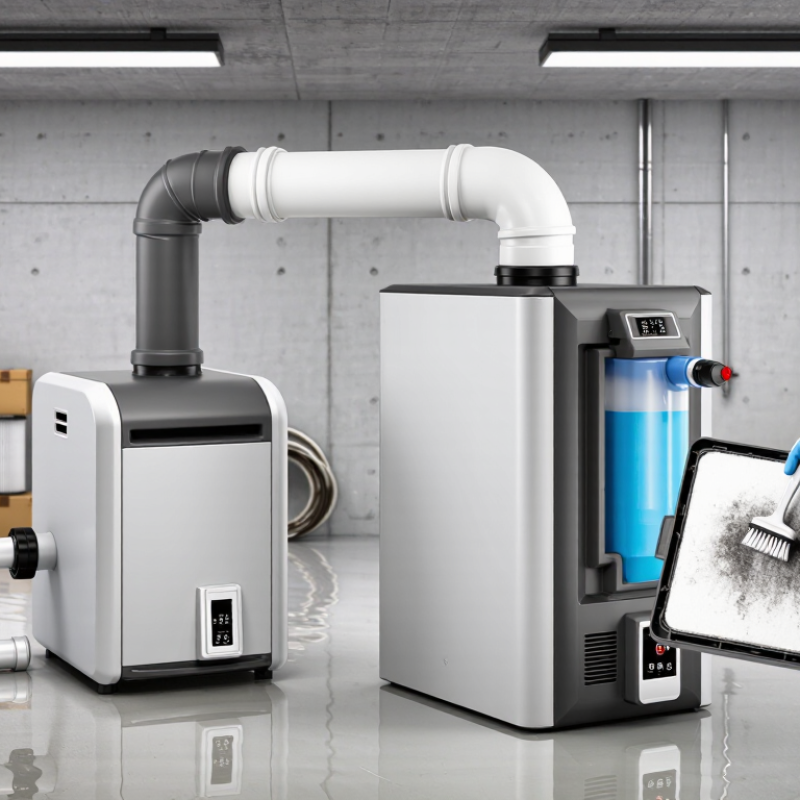
Understand How a Furnace Humidifier Works
A furnace humidifier adds moisture to air as the heating system moves it through the house.
In a common evaporative model, water flows over a porous panel while warm air passes across it. Some water evaporates into the airstream; the rest drains away with dissolved minerals. The humidistat measures indoor humidity and calls for moisture when levels fall below its setting.
Simple, but not quite magic.
Many units operate only when the furnace blower runs, so a humidifier may seem inactive between heating cycles. A bypass model uses air pressure from the furnace to move air through the wet panel. A fan-powered model has its own small fan. Knowing which type you have helps explain its airflow path and where dust or mineral buildup can collect.
I used to assume a quiet unit was always working.
That is not a reliable test.
During maintenance, switch off power to the unit and follow its instructions. Check the water panel for crusty deposits, inspect the drain for blockage, and look for drips around the supply line. A clogged panel can reduce evaporation even when water is flowing. Set the humidistat according to its guidance, and watch for condensation on cold windows; that can signal excessive indoor moisture. If the panel looks clean but the unit still does not run, check the control setting and furnace operation before opening electrical components.
Prepare the Humidifier for Safe Maintenance
Before touching a furnace humidifier, make the work area safe, not merely convenient. Turn the furnace off at its service switch, then shut off the circuit breaker if you cannot confirm the switch controls the whole unit. Wait until the blower stops and nearby metal parts feel cool. No rushing here. Close the humidifier’s water supply valve, often a small valve on the feed line, and place a towel beneath it. Water may remain in the tray even after the valve is closed.
Keep the thermostat off while you work, and avoid reaching near exposed wiring or moving fan parts. If you remove a cover, note how it sits or take a quick photo; screws and clips are easy to misplace. A simple panel can feel awkward when your hands are wet, so dry them before handling components. It is easy to assume every unit is arranged the same way, but layouts vary. Follow the maintenance instructions for your system. If a shutoff is unclear, wiring looks damaged, or water keeps flowing, stop and contact a qualified HVAC technician. Guessing is not worth the risk.
Clean the Water Panel and Mineral Deposits
Before opening the furnace humidifier, switch off power and follow its service instructions. A water panel may look only tan, while white, chalky deposits clog its channels and leave parts of the pad dry. The USGS classifies water with hardness of 121–180 mg/L, measured as calcium carbonate, as hard. Harder water can leave more mineral residue, though local water chemistry and operating time also affect buildup. A quick glance may miss deposits on the back.
Remove the panel as directed. Rinse reusable parts gently, and replace disposable panels according to the equipment instructions. Avoid scraping or using cleaners unless the manual allows it; damaged surfaces may distribute water unevenly. There is room for judgment: discoloration alone does not prove a panel is blocked. Check for brittle scale, plugged openings, or dry streaks. EPA guidance recommends keeping indoor relative humidity below 60%, ideally between 30% and 50%; a basic hygrometer can help prevent over-humidifying. Not spotless? That’s okay. The goal is clear water flow, not a pristine-looking panel. Sources: USGS Water Science School, “Hardness of Water”; U.S. EPA, “A Brief Guide to Mold, Moisture and Your Home.”
Inspect the Water Supply, Drain, and Humidistat
A furnace humidifier may run quietly while its water supply is restricted. Before inspecting it, switch off the furnace and humidifier power. Check the supply line for kinks, damp fittings, or crusty mineral deposits. A small drip can stain nearby surfaces before it becomes obvious. If the valve looks damaged or a leak persists, stop and contact a qualified technician.
Tips: Flush the drain with water and confirm it flows freely. Look for standing water, slime, or a loose connection. The drain line should slope downward without sharp bends. Small details matter.
Check the humidistat setting and compare it with the humidity reading in your home, if available. If the unit does not respond when you adjust the control, consult its instructions before troubleshooting further. Clean dust from the control area gently; do not soak electrical parts. In cold weather, lower humidity may help limit window condensation, but the right setting depends on your home and climate. It is easy to assume the dial tells the whole story. It doesn’t. Recheck after adjustments, and arrange professional service if the humidifier remains unresponsive.
7 Furnace Humidifier Maintenance Tips
Typical maintenance intervals for a furnace humidifier. Check your unit’s manual, since schedules can vary by model, water quality, and usage.
Inspect the water supply, drain, and humidistat regularly during the heating season. Seasonal cleaning and water-panel replacement help keep the system operating properly.
Test Humidifier Operation and Set Seasonal Controls
Before the heating season, test the humidifier while the furnace is running. Set the thermostat above room temperature, then listen for water flow and check that the unit’s drain works. Look for leaks around the cabinet and inspect the water panel for scale or damage. A dial can drift. Use a separate hygrometer to compare readings, and adjust the humidistat if they disagree. The U.S. Environmental Protection Agency’s A Brief Guide to Mold, Moisture and Your Home recommends keeping indoor relative humidity between 30% and 50%.
As outdoor temperatures fall, lower the humidity setting if you see condensation on windows. That moisture is a useful warning, not just a nuisance. In milder weather, you may be able to raise the setting gradually, but check the glass and nearby walls each day. Don’t assume last winter’s setting still fits your home; insulation, air leaks, and weather all affect the result.
Tip: Run a short test, confirm water reaches the unit, and note the hygrometer reading. Before warm weather, switch the humidistat off and close the water supply if your equipment instructions call for it. No water? Stop and check the valve and seasonal settings. A quick check can miss a slow leak, so look again after the first full day.