Skip to content

Why Use a Hookah Diffuser?

Why use a Hookah Diffuser? This small attachment fits onto the downstem and changes how air moves through the water. Rather than producing one broad stream, many diffusers create several smaller bubbles. The result may be quieter bubbling and a steadier-feeling draw. The difference is often subtle. It depends on the diffuser, water level, and the rest of the setup.

A diffuser can also change resistance, so a smoother pull is not guaranteed. Some people like the softer sound; others prefer the familiar bubbling of an undiffused setup. A simple comparison can help: keep the water level and other parts unchanged, then notice the sound and draw. Do not treat that feeling as evidence of reduced health risk. A diffuser does not make inhaled smoke safe or remove all harmful substances. It is a design choice, not a safety device. And honestly, the benefit may not justify extra cleaning for everyone. Small openings can collect residue, so rinse and inspect the attachment according to its material and the manufacturer’s directions. The best reason to use one is practical: you prefer its sound or airflow, and you are willing to maintain it.
Why Use a Hookah Diffuser?

What a Hookah Diffuser Is and How It Works

Why Use a Hookah Diffuser?

What a Hookah Diffuser Is and How It Works

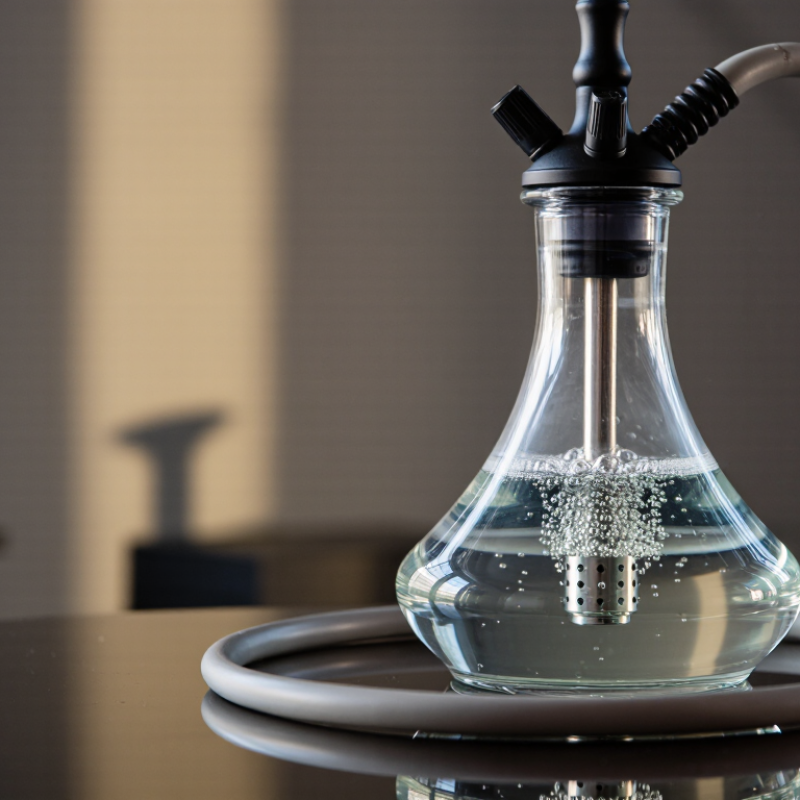
A hookah diffuser is a perforated attachment fitted to the end of the stem beneath the water. As air passes through it, one large stream breaks into many small bubbles. This can soften the bubbling sound and make a draw feel steadier.

Small bubbles. Less noise. The effect depends on hole size, water level, and how the attachment fits; some designs also make the draw feel tighter. A diffuser changes the bubbles, not the heated material.

That distinction matters. The World Health Organization’s 2015 Advisory Note on waterpipe tobacco smoking describes toxic substances in waterpipe smoke and warns that water does not make it safe. The U.S. Centers for Disease Control and Prevention reports that a typical one-hour session can involve inhaling 100–200 times the smoke volume of one cigarette. That figure compares smoke volume, not equal doses or equal health risks.

A diffuser is not a filter. Its quieter pull may feel gentler, but it should not be mistaken for reduced exposure.

One detail is easy to overlook: comfort and safety are not the same thing.

How a Diffuser Changes Airflow and Water Movement

A hookah diffuser changes how air moves through the water. Without one, air usually exits through a single open stem, creating larger bubbles. A diffuser divides that flow among several small openings near the stem’s end. The bubbles become finer and spread more evenly through the water. You may hear a softer, steadier bubbling sound. Less splashing, too. The draw can feel smoother, though the result depends on the water level, hose, and diffuser design. A diffuser does not make inhalation risk-free.

Water movement changes along with airflow. Smaller bubbles can create a more consistent pattern, while the water may churn less sharply at the surface. If the diffuser sits too close to the base, though, it can feel restrictive or collect residue. Check that its openings remain clear, and compare the draw with and without it using the same setup. That simple test helps separate the diffuser’s effect from other changes. The difference is sometimes subtle, and I would not treat a quieter session as proof of better performance. A calm waterline can be useful to observe, but it cannot tell you what is in the inhaled aerosol.

Key Benefits of Using a Hookah Diffuser

Why Use a Hookah Diffuser?

Key Benefits of Using a Hookah Diffuser

A hookah diffuser attaches to the downstem and changes how air moves through the water. Instead of a few large bubbles, its openings create many smaller ones. The bubbling often sounds quieter, which can make conversation easier in a small room. The draw may also feel steadier. You’ll notice it most when taking a slow pull and hearing less splashing from the base.

There’s a trade-off. Some diffusers make the draw feel tighter, especially if their openings are narrow or partly blocked. Fit matters, too: check the downstem size and make sure the diffuser sits securely below the waterline. Clean it with the rest of the water-contact parts; residue can collect in small slots. A quick rinse may not clear every opening. Water should still be changed regularly, and the device should be cleaned according to its care instructions. A diffuser changes bubbling and sound, not the health risks of inhaling hookah smoke. It is a comfort accessory, not a safety filter.

Why Use a Hookah Diffuser? — Key Benefits

A diffuser spreads airflow into smaller bubbles, which can make the draw feel smoother and reduce bubbling noise and splashing. This chart shows the typical direction of these effects, not measured values; results vary with diffuser design, water level, and setup.

Diffuser Types and Hookah Compatibility

Hookah diffusers generally come in two forms: fixed, perforated downstems and removable sleeves with side holes. Fixed designs require a compatible stem; sleeves need the right diameter and enough room inside the base. Check the joint style, stem length, and base clearance before choosing one. A loose sleeve may rattle, while a tight fit can restrict airflow. Small details matter.

Diffusers change how air bubbles and how the draw feels, but compatibility is mostly a matter of fit. Measure the stem’s outer diameter and usable length, then compare both with the diffuser’s specifications. The CDC’s Hookahs page reports that one hookah session can expose users to nearly nine times the carbon monoxide and 1.7 times the nicotine of one cigarette. Those figures describe smoke exposure, not diffuser performance. A diffuser should not be treated as a safety device.

Tips: Check fit before use, and make sure the diffuser stays clear of the base. Rinse removable parts after each session. If airflow feels unusually tight, remove the diffuser and inspect it. A smoother draw does not necessarily mean cleaner smoke.

How to Choose, Install, and Maintain a Diffuser

A hookah diffuser fits onto the lower end of the stem and breaks large bubbles into smaller ones. This often softens bubbling sounds and changes the draw, though the effect depends on the setup. When choosing one, check the stem’s diameter and connection style. A loose fit can leak; a tight one may be difficult to remove. A removable diffuser is easier to clean, while a fixed design has fewer pieces to misplace. Small details matter.

Install the diffuser only when the hookah is cool and empty. Slide or attach it according to its connector, without forcing it. Then add water and check that the diffuser sits below the surface, with enough clearance from the base. Draw gently to test airflow before regular use. If bubbles barely move, the diffuser may be blocked, too deeply submerged, or a poor fit. I would not assume quieter means better; a restricted draw can feel unpleasant.

After each use, detach the diffuser and rinse it with warm water. Use a small, soft brush to clear openings, then let every part dry fully. Residue can collect in narrow slots, even when the outside looks clean. Check for cracks, loose connections, or trapped debris before reinstalling. Not always obvious. If cleaning does not restore airflow, replace a damaged part rather than pushing harder or modifying it.