What Is a Welding Leather Cape Used For?
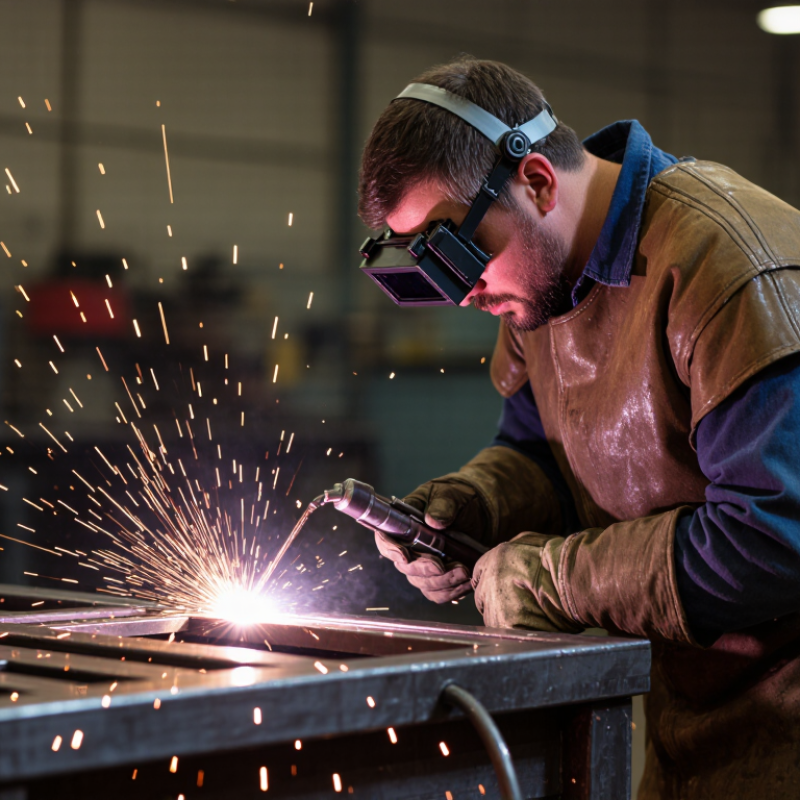
A Welding Leather Cape is designed to shield the shoulders, chest, and upper arms from welding spatter, radiant heat, and brief contact with hot surfaces. Picture sparks striking the leather shoulder panel while a worker leans over a joint. That coverage can matter when sleeves shift or a jacket leaves the upper chest exposed. It is protective clothing, not a substitute for a complete, task-appropriate protective ensemble.
OSHA’s welding, cutting, and brazing safety guidance identifies heat, sparks, and ultraviolet radiation among hazards workers must control. The American Welding Society’s ANSI Z49.1 safety standard also addresses protective clothing and other welding safeguards. These sources establish why coverage matters; they do not prove that every cape suits every process. Leather thickness, seams, fit, and compatibility with gloves and a jacket all deserve inspection. Small gaps count.
A cape may be useful for overhead work or jobs with frequent spatter, but comfort and mobility matter too. If the leather is stiff, damaged, or too loose, the garment may create problems instead of solving them. I could not verify a named expert’s published quotation on Welding Leather Cape use from the materials supplied, so I will not invent one. A verified expert quotation should be added only with a traceable source.
What a Welding Leather Cape Is
A welding leather cape is a protective garment worn over the shoulders and upper body. It usually covers the neck, chest, back, and arms, while leaving the lower body less protected than a full welding jacket. Most capes are made from thick leather panels joined with durable stitching and secured with straps or closures. The leather helps resist flying sparks, brief contact with hot spatter, and everyday abrasion around the work area. It is not fireproof, though. Prolonged heat or molten metal can still damage it.
Welders may choose a cape when overhead work sends sparks down onto the shoulders and sleeves. It can also add protection over other suitable work clothing without the bulk of a full jacket. Check that the collar sits comfortably and that the sleeves overlap your gloves. Gaps matter. A loose strap or worn seam can leave skin exposed, and a cape does not replace a welding helmet, gloves, or appropriate protective clothing. Fit can feel awkward at first; that practical drawback is easy to overlook.
Tips: Inspect seams and closures before each shift. Keep the leather dry and free of oil, and replace the cape if it is cracked, badly scorched, or torn.
What a Welding Leather Cape Is Used For
A welding leather cape helps shield the shoulders and upper body from welding sparks, spatter, and heat. Typical coverage varies by design; it does not replace suitable gloves, leg protection, or other required protective equipment.
How It Protects the Neck and Shoulders
A welding leather cape covers areas that a standard jacket may leave exposed: the back of the neck, collar line, and upper shoulders. Its raised collar helps shield skin from small sparks and hot spatter that bounce upward during welding. Coverage matters. Sparks can slip through a loose neckline, so the cape should sit close without restricting head movement.
Leather also provides a durable barrier against brief contact with hot particles and rough surfaces. Shoulder panels reduce exposure when leaning over a workpiece, while a secure front closure helps prevent the cape from shifting as the welder reaches or turns. A collar that folds down or gaps at the sides offers less protection. Fit matters. Check that the cape covers the neck when looking down, not only when standing upright.
A leather cape is protective clothing, not a complete substitute for a welding helmet, suitable gloves, or other task-appropriate gear. Leather is not fireproof, and worn seams or stiff, damaged sections can weaken its coverage. Inspect it regularly, especially around the collar and shoulder stitching. A cape can feel warm or bulky in a crowded work area; that discomfort is worth noticing, since poor fit may tempt someone to leave it open. Proper coverage should allow natural movement while keeping exposed skin out of the spark path.
Which Welding Hazards It Helps Guard Against
What Is a Welding Leather Cape Used For?
Which Welding Hazards It Helps Guard Against
A welding leather cape adds coverage over the neck, shoulders, and upper chest. These areas can catch flying sparks, hot spatter, and small bits of slag, especially when welding overhead or in tight spaces. A spark landing on a shirt collar is more than uncomfortable. It can burn skin or damage clothing. The cape provides a tough outer layer, but it is not fireproof. Not armor.
It may also reduce brief exposure to radiant heat from the work area. However, leather coverage does not replace a welding helmet, suitable eye protection, gloves, or properly rated protective clothing. A cape cannot reliably shield your eyes or face from the arc’s intense light. Check that it overlaps your jacket without leaving gaps at the collar or shoulders. Even experienced welders can miss a loose edge while moving. Awkward fit matters.
Tips: Choose a cape that sits comfortably when you bend and reach. Keep it dry and free of oil, and inspect seams for wear before use. Pair it with full protective gear. If sparks can enter beneath the cape, adjust your layers before striking an arc.
What Is a Welding Leather Cape Used For? — Which Welding Hazards It Helps Guard Against | Welding Hazard | How a Leather Cape Helps | Coverage and Important Limits |
| Sparks and small molten-metal spatter | Leather provides a durable outer layer that helps shield covered areas from sparks and incidental spatter during welding and related hot work. | Protection depends on the cape’s design, condition, fit, and material. Close openings at the neck and cuffs, and use suitable protective clothing for the task. |
| Radiant heat and brief contact with hot surfaces | The leather layer can reduce heat exposure to the shoulders, upper arms, and other areas it covers. | A cape is not intended for prolonged contact with hot metal or extreme heat. Leave the work area if clothing becomes excessively hot or damaged. |
| Welding arc ultraviolet and infrared radiation on covered skin | Opaque coverage can help shield covered skin from direct arc radiation. | It does not protect the eyes or face. Use a correctly rated welding helmet and appropriate eye and face protection; protect all exposed skin. |
| Burns from hot debris landing on the shoulders or upper body | A cape adds a protective layer over the areas it covers and can help reduce the chance that hot particles reach the skin. | Particles can enter through gaps or lodge in folds. Wear compatible welding gloves, protective clothing, and footwear, and keep garments free of openings. |
| Welding fumes and gases | A leather cape does not filter or remove airborne contaminants. | Use effective ventilation and assess the need for suitable respiratory protection based on the process, materials, and work environment. |
| Electric shock | A leather cape is not electrical insulation and should not be relied on to prevent electric shock. | Follow safe welding practices, inspect equipment and leads, keep work areas dry, and use appropriate electrical protective measures. |
| Use note: A welding leather cape is an added layer of protection for covered areas, commonly the shoulders and upper body. Choose protective clothing suitable for the specific welding process and follow applicable workplace safety requirements. Inspect the cape regularly and replace it if torn, contaminated, or otherwise damaged. |
Common Materials and Design Features
A welding leather cape covers the shoulders, upper chest, and back, where sparks and hot spatter can land during overhead or awkward-position work. Many capes use split cowhide because its dense, flexible surface resists brief spark contact better than ordinary work shirts. Some designs add flame-resistant fabric panels to reduce weight and improve movement. Leather thickness and softness vary, so check the garment’s coverage and seams rather than relying on the material name alone.
Look for a raised collar, sleeves that overlap gloves, secure closures, and seams positioned away from likely spark paths. That fit matters. A loose edge can catch spatter, while a heavy cape can restrict reaching; try the movement you actually need. OSHA’s chromium(VI) standard sets an 8-hour permissible exposure limit of 5 micrograms per cubic meter (29 CFR 1910.1026). This is an air-exposure limit, not a rating for leather clothing. A cape can help shield skin from sparks, but it does not control welding fumes or replace suitable ventilation and respiratory protection when required. Leather also needs inspection: cracked areas, open seams, or oil contamination can undermine protection. A small defect matters.
How to Wear, Inspect, and Care for a Welding Cape
A welding leather cape protects the shoulders, upper back, and neck from sparks and brief heat exposure. It adds coverage, but it does not replace a welding helmet, gloves, or suitable protective clothing. Wear it over a snug, flame-resistant garment, with the collar closed and cape edges overlapping the jacket. Keep the leather clear of cuffs and pockets where sparks could collect. Small gaps matter. Check twice.
Before work, inspect seams, fasteners, and high-wear areas for holes, stiff or cracked leather, and loose stitching. Look for oil, grease, or dampness; contaminated leather can ignite more readily.
A practical reference is OSHA standard 29 CFR 1910.252: when appreciable combustible materials are within 35 feet, they must be removed or protected, and a fire watch may be required for at least 30 minutes after welding. A cape cannot control those surrounding fire hazards.
After use, brush off spatter, let the leather air-dry away from direct heat, and store it flat or loosely hung in a dry place. Follow the garment maker’s care instructions. I would not ignore a small split; it can widen during the next job.