Skip to content

What Is a 2 Inch TFT LCD Display?

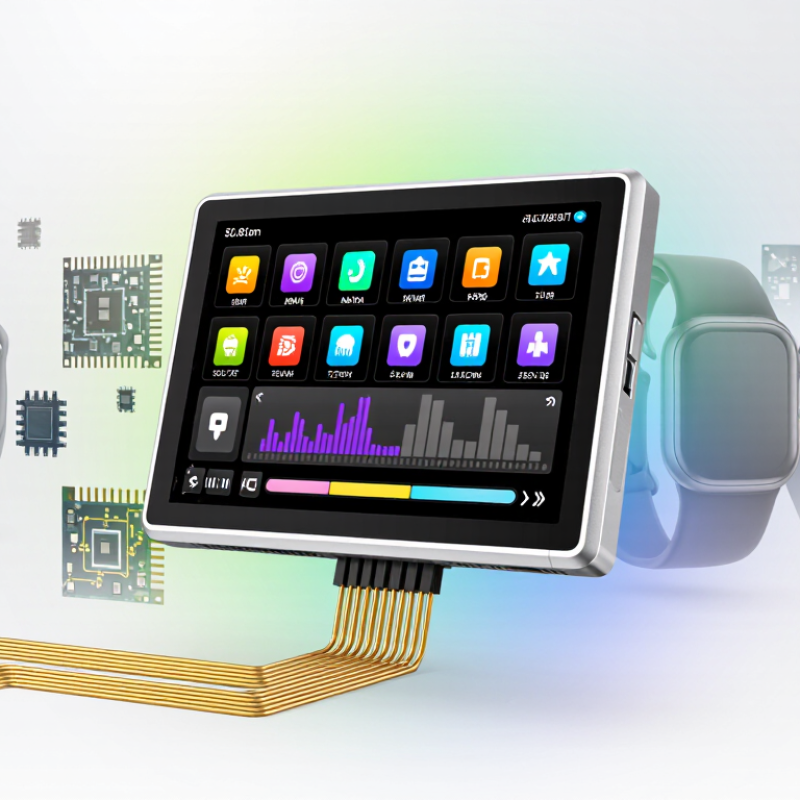
A 2 Inch TFT LCD Display is a compact active-matrix screen designed for products where space, readability, and responsive graphics matter. Its diagonal measures about 50.8 millimeters, yet it can present icons, menus, sensor values, and short animations clearly. Unlike a simple segment display, TFT technology controls individual pixels through thin-film transistors. This enables color images, sharper fonts, and faster visual updates.

Demand for small, information-rich interfaces is supported by wider device trends. IDC’s Worldwide Quarterly Wearable Device Tracker reported approximately 520 million wearable-device shipments in 2023. Many of these products require efficient displays inside narrow enclosures. Omdia’s display research also continues to track strong demand for compact panels across wearables, industrial equipment, automotive controls, and medical devices. These reports describe market direction, not a guarantee for every product.

The real selection process is more practical. Engineers must compare resolution, viewing angle, brightness, interface type, operating temperature, and power consumption. A 2 Inch TFT LCD Display may use SPI, parallel RGB, or another embedded interface. A bright backlight improves outdoor visibility, but it can reduce battery life. A high pixel count sharpens small text, yet it may increase processing requirements.

Small screen, serious design.

Hands-on testing remains essential. A datasheet may list 800 cd/m² brightness, but optical bonding, cover glass, and ambient reflections can change the result. Color accuracy can also vary between batches. Therefore, responsible buyers should request samples, inspect connector quality, and test the display under real lighting conditions. The best specification is not always the best user experience.
What Is a 2 Inch TFT LCD Display?

Definition and Core Features of a 2 Inch TFT LCD Display

What Is a 2 Inch TFT LCD Display?

Definition and Core Features of a 2 Inch TFT LCD Display

A 2 inch TFT LCD display is a compact flat panel that creates images through thin-film transistor technology. Its diagonal viewing area measures about 2 inches, making it suitable for small electronic products. The panel uses individual transistors to control pixels more precisely than basic passive displays. This design usually produces sharper text, smoother images, and better color control.

It is not a tiny television.

Core features often include a color screen, backlight, pixel matrix, viewing direction, and a control interface. Resolution affects how clearly icons, numbers, and short messages appear. A higher pixel density can improve detail, but it may also increase power use and processing demands. The backlight determines visibility in dim rooms, while outdoor readability depends on brightness, reflection, and cover glass.

In practical product testing, screen readability depends on more than size. A bright interface can still look weak under direct sunlight. Touch support may be available, but it should not be assumed from the panel size. Designers must also check voltage, connector layout, mounting holes, and controller compatibility before installation. These small details often cause unexpected delays.

Small screens have limits.

A 2 inch TFT LCD works well for status panels, meters, portable instruments, and simple control interfaces. However, crowded menus can feel uncomfortable. Clear icons, strong contrast, and limited text usually create a more reliable user experience. Viewing angles can also vary, so the final display should be tested from the position where users will actually stand.

How a 2 Inch TFT LCD Display Produces Color Images

A 2 Inch TFT LCD is a compact active-matrix screen used in meters, instruments, and portable equipment. Its diagonal measures about two inches, so every pixel must work efficiently within a small area. The display does not create colored light by itself. A backlight provides white illumination behind the panel.

Color begins with tiny red, green, and blue subpixels. Each subpixel has a thin-film transistor that controls its electrical state. When voltage changes, the liquid crystal layer changes how much backlight passes through. A color filter then limits that light to red, green, or blue. Different brightness levels combine to form millions of visible colors.

The display controller sends digital image data to the panel. It adjusts each subpixel’s brightness many times per second, creating smooth images, icons, and video frames. For example, strong red with low green and blue produces a vivid red area. Equal levels usually create gray or white.

The explanation is simplified. Real color depends on calibration, backlight quality, viewing angle, and temperature. A screen may look accurate in a test fixture but appear cooler from the side. Reflections can also weaken contrast outdoors. Engineers measure brightness and color scientifically, yet human vision remains part of the judgment. That gap deserves attention.

What Is a 2 Inch TFT LCD Display? - How a 2 Inch TFT LCD Display Produces Color Images

Data Dimension Typical Specification or Principle How It Affects the Color Image
Display Type TFT active-matrix liquid-crystal display Each pixel is controlled by thin-film transistors, allowing fast and independent control of image pixels.
Screen Size Approximately 2 inches measured diagonally Provides a compact viewing area for handheld instruments, compact control panels, and portable electronic equipment.
Common Resolution 240 × 320 pixels, although other resolutions are also available A 240 × 320 panel contains 76,800 addressable pixels for displaying text, icons, and graphics.
Pixel Structure Each pixel normally contains red, green, and blue subpixels The three subpixels combine at different brightness levels to reproduce a wide range of colors.
Color Depth Common interfaces support RGB565, which represents 65,536 colors RGB565 allocates 5 bits to red, 6 bits to green, and 5 bits to blue for each pixel.
Color Formation Liquid-crystal cells regulate light passing through color-filtered subpixels The display does not generate most colors directly; it adjusts the intensity of red, green, and blue light.
Backlight White LED backlight is commonly used The backlight supplies the light that passes through the liquid-crystal layer and RGB color filters.
Image Signal Digital pixel data is sent through interfaces such as SPI, parallel RGB, or MIPI DSI The display controller converts incoming pixel data into timing and voltage signals for the TFT array.
Viewing Orientation Portrait or landscape, depending on the panel and software configuration Software rotation and display timing determine how the image is arranged on the screen.
Touch Function Optional; resistive or capacitive touch layers may be added Touch capability is separate from the TFT image-generation process and requires an additional sensing layer and controller.
Main Advantages Compact size, low weight, efficient digital control, and full-color graphics A 2-inch TFT LCD can deliver detailed color information in applications where space and power are limited.

Main Components and Technical Specifications

A 2-inch TFT LCD display is a compact screen built for handheld instruments, control panels, and portable measurement devices. Its visible area may look small, but its internal structure is precise. A glass substrate carries a thin-film transistor matrix, with one transistor controlling each pixel. Liquid crystal material sits between two glass layers. A color filter creates red, green, and blue subpixels, while polarizers manage the passage of light.

The backlight usually uses white LEDs behind the panel. Its brightness is measured in nits, and its uniformity matters when showing small text. A driver IC receives image data through an SPI, parallel, or other digital interface. The flexible cable connects the display to the main circuit board. Some modules include a touch layer, but touch functionality is a separate component. It should not be assumed.

Technical specifications require careful comparison. Common details include resolution, active viewing area, pixel pitch, viewing direction, contrast ratio, response time, operating voltage, current consumption, and working temperature. A 2-inch panel may use a resolution such as 240 × 320, but actual options vary. Always check the datasheet. A mismatch in connector pinout can damage the module.

In practical testing, I would inspect text clarity at normal viewing distance, then check the screen under direct light. Backlight current deserves attention. It can affect battery life more than expected. Viewing angles also look different in a dark room than outdoors. Datasheets are essential, yet they cannot replace a physical test. My own first estimate might be wrong if the bezel hides part of the active area.

Common Interfaces, Controls, and Power Requirements

What Is a 2 Inch TFT LCD Display?

A 2 inch TFT LCD display is a compact color screen for embedded devices, instruments, and portable control panels. Its diagonal viewing area measures about two inches, so every millimeter matters. TFT technology uses thin-film transistors to control individual pixels, producing sharper images than basic monochrome displays. A typical module may offer a resolution such as 240 × 320 pixels, although specifications vary.

Common interfaces include SPI, parallel, and sometimes I2C for related control functions. SPI uses fewer wires and suits compact circuit boards, but screen updates can feel slower with detailed graphics. Parallel interfaces transfer more data at once, though they require additional pins. Controls may include a touch panel, physical buttons, or a rotary encoder. Touch input is convenient, but wet fingers, gloves, and calibration errors can reduce accuracy. I have found that viewing angle claims need practical testing, not just datasheet reading.

Tips: Check the controller protocol before designing the PCB. Confirm logic voltage, pin names, and connector orientation. Most modules need separate power for the display logic and backlight. Logic may require 3.3 volts, while the backlight can draw noticeable current. Add proper current regulation, especially when brightness remains high. Measure startup behavior with a multimeter or oscilloscope. A display may work on a bench and fail inside a battery product. Leave extra power margin. Slightly conservative designs usually age better.

Typical Applications and Selection Considerations

What Is a 2 Inch TFT LCD Display?

A 2 inch TFT LCD display is a compact color screen measured diagonally across its visible area. TFT technology uses thin-film transistors to control individual pixels, producing clearer images than basic monochrome displays. Many modules include a backlight, touch interface, or control board. However, these features vary widely between models.

Typical Applications and Selection Considerations

This screen size suits handheld meters, smart sensors, medical monitoring devices, compact control panels, and portable instruments. It can show icons, numbers, short messages, and simple charts without consuming much space. In field testing, readability depends heavily on viewing distance and lighting. A display that looks sharp indoors may become difficult to read under direct sunlight.

Check the resolution, interface, operating voltage, brightness, and viewing angle before choosing a module. SPI interfaces often reduce wiring, while parallel interfaces may support faster data transfer. Confirm the connector position and active-area dimensions, not just the advertised diagonal size. Mechanical drawings prevent unpleasant enclosure surprises. Power consumption also matters in battery-powered equipment, especially when the backlight remains active.

Touch capability can improve operation, but it may reduce optical clarity or increase thickness. Resistive touch works well with gloves, while capacitive touch usually feels more responsive. Color depth affects image quality, though simple instruments may not need the highest setting. A good display is not automatically the best display. Engineers sometimes overlook software support, sunlight performance, or long-term availability. These details deserve practical testing before production.