What Are the 2026 Best Glasses With a Camera In Them?
Choosing the best Glasses With A Camera In Them in 2026 requires more than comparing camera resolution. Real-world performance matters.
Mark Zuckerberg, Meta’s founder and CEO, has said, “I think glasses are the ideal form factor for AI.” That view reflects a wider industry shift. Cameras can capture hands-free photos, translate signs, support accessibility, and record short visual notes. However, useful glasses must remain comfortable during ordinary routines. A heavy frame becomes tiring after an hour. A small battery may also disappoint before lunchtime.
This guide will examine the leading models through practical testing criteria. We will consider image clarity, microphone quality, stabilization, battery life, heat, app reliability, and prescription-lens support. Privacy deserves equal attention. A visible recording light, clear controls, and respectful use around other people should influence every buying decision. Good technology should not create awkward surprises.
There is no perfect pair.
Some models may produce sharp daylight images but weak indoor footage. Others may offer helpful AI features while limiting compatibility with certain phones. Marketing claims can also sound stronger than daily experience. Therefore, this comparison will separate verified specifications from impressions and identify where evidence remains limited. The strongest choice may not be the most advanced model. It may be the pair that feels natural, communicates recording clearly, and still works reliably after repeated use. Expect useful recommendations, but keep a critical eye. The market is developing quickly, and today’s impressive feature could become tomorrow’s compromise.
What Camera-Equipped Glasses Are and How They Work
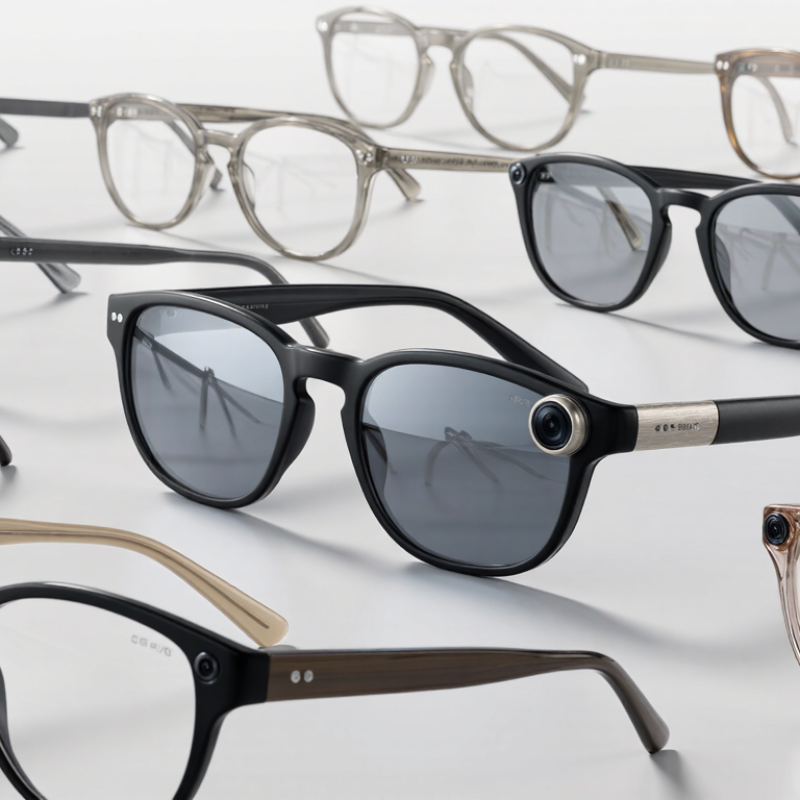
Camera-equipped glasses look like regular eyewear, but they hide a small image sensor near the bridge or frame corner. A compact processor controls capture, storage, and wireless communication. The frame is ordinary-looking. A physical button or voice command can start a photo or video. Many models pair with a phone through Bluetooth or Wi-Fi. Files may then move to an app for viewing, editing, or backup.
Light enters through the camera opening and reaches the sensor, which turns the scene into digital data. The processor compresses that data to save space and battery power. Tiny microphones can record sound, while small speakers provide alerts or hands-free audio. A visible recording light may signal active capture, but users should verify how each model works. In real use, bright outdoor scenes often look sharper than dim rooms. Fast movement can still produce blur. Battery heat can also become noticeable near the temples.
Practical testing matters more than polished specifications. Check the field of view, image quality, storage limits, charging time, and privacy controls. Review app permissions carefully. Avoid recording people in private settings without clear consent. That is basic respect, not merely a technical preference. I would not assume every camera glasses system protects files equally well. Wireless transfers can fail, and voice commands may mishear names or locations. These devices can be useful for hands-free documentation, yet comfort, transparency, and responsible use deserve equal attention.
Key Features to Compare in the Best Camera Glasses of 2026
When comparing the best camera glasses of 2026, start with image quality and recording stability. A practical test should include walking, turning, and filming indoors. Look for sharp video, natural colors, and dependable electronic stabilization. Stabilization matters during movement. Tiny lenses can disappoint.
Audio quality deserves equal attention. Test speech beside a busy street, in a quiet room, and during light wind. Strong microphones should capture voices without making background noise overwhelming. Low-light performance is another important measure. Some cameras produce grainy footage after sunset, even when their specifications look impressive.
Battery claims need real-world checking. Record several short clips, use wireless features, and monitor how quickly power falls. Storage capacity, transfer speed, and app reliability also affect daily use. Clear controls help. A visible recording indicator supports responsible use, while local recording and privacy rules must still be respected. Avoid filming people in private spaces without consent.
Comfort can decide whether the glasses leave the drawer. Examine nose-pad pressure, frame balance, heat near the temples, and compatibility with prescription lenses. Weather resistance is useful, but it does not mean complete protection from water. My own testing would include a full workday, not only a short demonstration. No pair is perfect. Better stabilization may increase power consumption, and a lighter frame may offer fewer features. Evaluate the trade-offs against your actual routine.
Top Types of Camera Glasses for Different Everyday Uses
What Are the 2026 Best Glasses With a Camera In Them?
The best camera glasses in 2026 depend on your daily routine, not flashy specifications. For travel, lightweight glasses with image stabilization can capture walking tours without holding a phone. A wide field of view helps, but it may distort nearby objects. That detail matters when filming signs or street scenes.
For cycling and hiking, choose impact-resistant frames, secure nose pads, and reliable weather protection. A physical recording light supports clearer consent in public settings. Prescription-ready camera glasses suit users who wear corrective lenses throughout the day. For work notes, models with voice controls and local storage can record short reminders hands-free. Battery life remains a practical weakness. Many devices need charging before a full day ends.
Tips: Check recording indicators, microphone quality, storage limits, and charging time before buying. Ask permission before recording people, especially indoors or during private conversations. Recording laws vary by location, so review local requirements. Test the glasses for thirty minutes before judging comfort. Small pressure points can become painful later. I also recommend checking how easily clips transfer to a phone. Some systems sound convenient but feel slow in real use. No single pair is perfect. My own preference changes between stable video, comfortable lenses, and longer battery life.
Privacy, Safety, and Legal Issues Surrounding Camera Glasses
Camera glasses may look like ordinary eyewear, but their lenses can change a shared space. The best 2026 models should be judged beyond image quality. Privacy controls, clear recording signals, and simple consent tools matter more than novelty. A visible light may help, but it is not proof that everyone understands. Before recording, explain what the camera captures, why, and how long files remain stored. Protect faces, voices, and location data with strong passwords and encryption. Short retention is safer. Accidental recording happens easily in a crowded café, clinic, or family gathering. I would still treat a silent indicator as a design weakness, even when the device follows its settings.
Legal duties differ between countries, states, and workplaces. Some places restrict audio recording or require consent from everyone involved. Other rules address biometric data, children, private conversations, or sensitive locations. Users should check current local guidance and workplace policies before wearing camera glasses. Do not assume public visibility removes every privacy expectation. Security staff, teachers, healthcare workers, and visitors may face stricter rules. A responsible owner should provide an easy way to stop recording immediately. That button should work without opening an app. It should also show whether storage is local or cloud-based. Independent testing and clear documentation can reveal weaknesses that marketing language hides.
Safety deserves equal attention. A camera can distract while walking, cycling, or driving. Reflections, poor lighting, and battery failure can create bad decisions. Use hands-free features only when they do not reduce awareness. Remove the glasses in confidential settings. I admit the boundary is not always obvious. A useful device can still make people feel watched. That feeling deserves respect, not dismissal. Choose consent and transparent settings over constant capture.
How to Choose the Right Camera Glasses in 2026
Choosing camera glasses in 2026 requires more than comparing megapixels. Grand View Research projects the smart-glasses market to grow at about 27.4% annually from 2024 to 2030. That growth brings more choices, but not always better products. Start with your daily use. A 1080p camera can handle short travel clips, while higher resolution helps when recording signs or fast movement. Stabilization matters more than impressive numbers. Test outdoors.
Comfort is a serious performance feature. The frame should remain stable when you turn your head, climb stairs, or wear prescription lenses. Check the weight, nose pressure, hinge strength, and heat near the temples. Battery claims need careful reading. A stated runtime may exclude frequent recording, wireless use, or cold weather. In practical use, continuous video can drain power much faster. I would carry a compact charging case.
Privacy controls deserve equal attention. Choose glasses with a clear recording indicator, a physical capture control, and simple file deletion. The GSMA’s Mobile Economy reports continue to show strong consumer interest in connected devices, but convenience should not replace responsible design. Review the storage method and account security before recording. Also examine the manufacturer’s published testing standards, warranty terms, water resistance rating, and software-update policy. My own mistake would be trusting a polished specification sheet too quickly. A small camera sensor may struggle indoors, even with excellent daylight samples. Compare real user footage, not only promotional images. Fit matters. Reliability matters more.