Skip to content

Top Molybdenum Sheet Suppliers Worldwide?

Choosing the top MOLYBDENUM SHEET suppliers worldwide requires more than comparing online prices. Buyers must examine purity, thickness tolerance, surface condition, certifications, and delivery reliability. ASTM B386 remains a useful reference for molybdenum and molybdenum-alloy sheet, plate, and strip. It helps separate technical suppliers from simple resellers.

The U.S. Geological Survey’s Mineral Commodity Summaries 2025 identifies China, Chile, the United States, and Peru among the major molybdenum-producing countries. Its reporting also shows why raw-material concentration can influence availability and pricing. The International Molybdenum Association connects molybdenum’s value with high-temperature strength, corrosion resistance, and alloy performance. As materials specialist Chris Corti has stated, “Molybdenum is a versatile alloying element.” That short observation explains its use in furnace parts, aerospace components, semiconductor equipment, and chemical-processing systems.

A reliable supplier should provide mill certificates, chemical analysis, inspection records, and traceable production batches. Ask for actual dimensional data, not only catalogue claims. A bright, smooth sheet may still fail after cutting or welding. That risk is easy to underestimate. Supplier comparisons should also consider lead time, packaging, export experience, and technical support. Industry reports provide valuable direction, but they cannot replace sample testing. Data may lag. Specifications may be interpreted differently. Even experienced buyers sometimes overlook grain structure or edge quality. This guide therefore evaluates worldwide suppliers through evidence, application fit, and practical purchasing risks, rather than reputation alone.
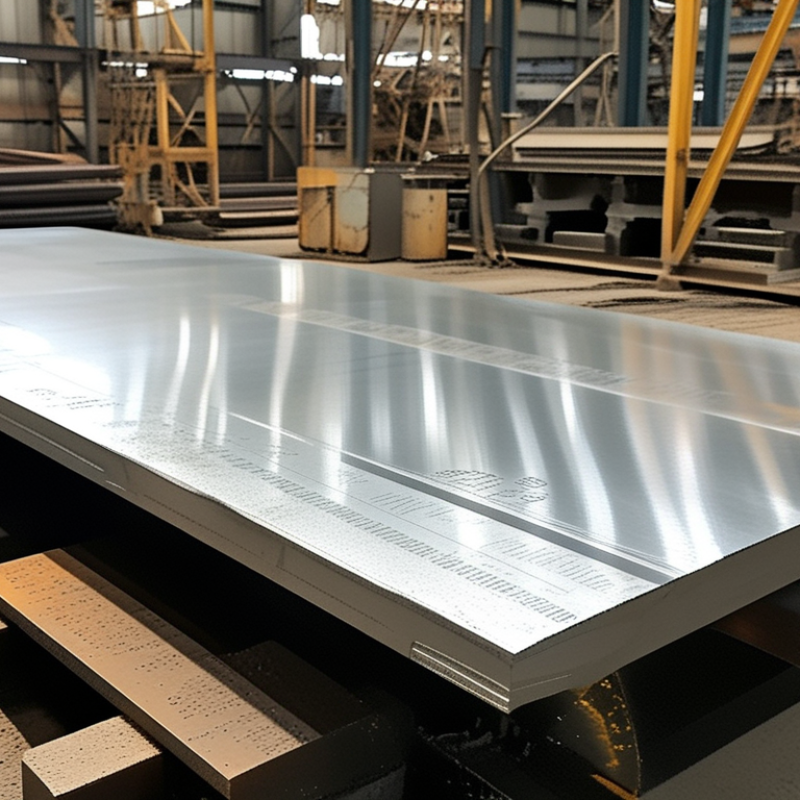
Top Molybdenum Sheet Suppliers Worldwide?

Molybdenum Sheet Basics: 99.95% Purity, 10.28 g/cm³ Density, 2,623°C Melting Point

Top Molybdenum Sheet Suppliers Worldwide?

Molybdenum sheet is valued for its high-temperature stability and low vapor pressure. Commercial high-purity grades often reach 99.95% molybdenum. Its density is approximately 10.28 g/cm³. The melting point is about 2,623°C. These figures explain its use in vacuum furnaces, heat shields, and high-temperature structural parts. Still, numbers alone do not prove performance.

99.95%
molybdenum purity
10.28 g/cm³
approximate density
2,623°C
approximate melting point

When comparing worldwide suppliers, request a material certificate for every batch. Check purity, density, thickness tolerance, surface condition, and grain direction. A reliable supplier should provide traceable lot numbers and clear inspection records. Independent laboratory testing is useful for critical components. I would also inspect the sheet under angled light. Small scratches or edge cracks can become serious during forming.

Packaging deserves attention. Sheets should be separated with clean paper and protected from moisture, dust, and impact. Ask about annealed and recrystallized conditions, because their forming behavior differs. Cutting quality matters too; rough edges may introduce stress concentrations. Some catalog descriptions appear complete, but important details can remain unclear. I have learned to question vague terms such as “high purity” without a stated test method. Delivery consistency, communication, and documented corrective action often distinguish experienced suppliers from merely inexpensive ones.

Key Specifications: ASTM B387 Grades, 0.05–100 mm Thickness, and Surface Finish

Top Molybdenum Sheet Suppliers Worldwide?

Reliable sourcing starts with ASTM B387 compliance, not attractive catalog photos. The purchase order should identify the required grade, dimensions, tolerances, and inspection documents. Grade designations must match the current ASTM edition. This detail is easy to overlook.

Thickness selection can range from delicate 0.05 mm foil-like sheet to heavy 100 mm sections. Thin material needs careful packing because edges can bend during transit. Thick sections require checks for flatness, internal consistency, and machining allowance.

Ask suppliers for chemical analysis, mechanical test results, and dimensional inspection records. Certificates should match the heat or batch number.

Surface finish affects both performance and handling. Cold-rolled surfaces may suit precision forming, while ground finishes can remove scale and visible rolling marks. Polished surfaces support reflective or low-contamination applications, but the required roughness should be stated numerically, such as a target Ra value. “Smooth” is too vague.

I have seen orders delayed because finish terms were interpreted differently. That is a practical weakness in many specifications. A sample panel or approved reference can prevent disputes. Suppliers with documented process control, traceable testing, and experience handling refractory metals are usually safer choices. Yet even experienced vendors deserve verification before payment.

Global Supplier Map: Leading Molybdenum Sheet Producers Across Asia, Europe, and America

Asia remains the strongest production hub in the global molybdenum sheet supplier map. The USGS Mineral Commodity Summaries 2025 estimates global mine output at roughly 260,000 metric tons of molybdenum content in 2024. China supplied the largest share, supported by integrated mining, powder production, sintering, rolling, and machining. Japan and South Korea add advanced processing capacity, especially for thin sheets used in electronics, furnaces, and semiconductor equipment.

Europe and America remain important for high-specification supply. European producers often focus on engineered grades, traceability, and small-batch fabrication. North American suppliers commonly serve aerospace, energy, laboratory, and high-temperature industrial projects. The International Molybdenum Association reports that molybdenum demand is closely linked to stainless steel, alloy steel, and energy infrastructure. However, mining output does not equal sheet availability. Conversion capacity matters more than headlines.

Tips: Ask for ASTM B386 compliance, density data, grain structure, thickness tolerance, and full mill certificates. Confirm whether the quotation covers cutting, surface grinding, and vacuum packaging. A low price may hide poor flatness or excessive edge cracking. I have seen supplier maps become misleading when traders are counted as manufacturers. That distinction deserves more attention.

Global Molybdenum Sheet Supply Base by Region

Reported 2023 molybdenum mine production provides an upstream indicator of raw-material availability for sheet manufacturing across Asia, Europe, and the Americas.

Values are approximate metric tonnes compiled from the U.S. Geological Survey, Mineral Commodity Summaries 2024. Europe is shown as 0 because no major European mine output was separately reported among the leading producing regions; European sheet supply is primarily supported by imported feedstock and downstream processing.

Supplier Evaluation: Purity, Dimensional Tolerance, ASTM Compliance, and Production Capacity

Top Molybdenum Sheet Suppliers Worldwide?

Choosing a molybdenum sheet supplier requires more than comparing quoted prices. Purity should match the intended temperature, vacuum, and corrosion environment. Ask for chemical analysis, lot identification, and traceable mill certificates. High-purity material often performs better, but excessive purity may increase cost without improving the application.

Dimensional tolerance needs careful review. Check thickness, width, length, flatness, and edge condition against the drawing. A sheet can meet its nominal thickness yet fail during forming. Request measured data from several points, not one convenient location. ASTM compliance should identify the exact specification, edition, test method, and acceptance limits. “ASTM compliant” alone proves very little. Independent laboratory testing can expose gaps in supplier documentation.

Production capacity also affects reliability. Review furnace size, rolling equipment, annealing controls, inspection tools, and monthly output. Ask whether the supplier can repeat the same grade and tolerance across multiple lots. Delivery promises may look attractive until raw material shortages or equipment maintenance appear. Small trial orders help, although they may not reveal every production weakness. A supplier with strong technical records can still communicate poorly. That matters during urgent design changes. I would compare sample quality, documentation accuracy, response time, and realistic capacity together, rather than trusting any single certificate.

End-Use Demand: Aerospace, Semiconductor, Furnace, and Medical Applications Worldwide

Top Molybdenum Sheet Suppliers Worldwide?

Global demand for molybdenum sheet follows demanding industrial schedules. Aerospace manufacturers use it near high-temperature engines and thermal shielding. These parts require stable dimensions, clean surfaces, and controlled grain structure. Semiconductor equipment relies on molybdenum for heat spreaders, susceptor components, and precision supports. Small errors matter. Thickness variation can affect alignment inside vacuum processing systems.

Furnace builders select molybdenum sheet for heating zones, reflectors, and high-temperature fixtures. Performance depends on purity, temperature cycling, and resistance to deformation. Medical equipment creates another specialized market, including imaging components and radiation-related assemblies. Suppliers should provide material certificates, inspection records, and clear traceability from melting to shipment. Experienced buyers also check cutting quality, edge condition, and flatness after processing.

The best supplier is not always the largest exporter. A practical evaluation compares technical capability, delivery consistency, and communication during nonconforming-material reviews. Ask for sample data covering thickness tolerance, surface finish, density, and mechanical behavior. Aerospace and semiconductor projects may require tighter documentation than furnace applications. Medical projects can demand additional process control. No supplier is perfect. Even strong mills may show delays during unusual alloy or size requests. That limitation deserves honest discussion before purchase. Reliable sourcing comes from matching production experience with the actual end-use environment, not from comparing price alone.