Skip to content

Top 10 Power Phase Converters for Global Buyers

Choosing a Power Phase Converter for international machinery is not a simple catalog exercise. Voltage, frequency, motor size, starting current, duty cycle, and local installation practices can change the result. A converter that performs well in a quiet workshop may struggle when a compressor starts beside a CNC machine. Small details matter.

This guide, “Top 10 Power Phase Converters for Global Buyers,” compares practical factors rather than relying on impressive specifications alone. It considers rotary, digital, and static designs, along with efficiency, phase balance, noise, enclosure protection, maintenance, and after-sales support. Buyers should also check input and output ratings carefully. Marketing language can hide limitations.

Electrical safety remains central. Ron Widup, a respected electrical safety specialist, states, “Electrical safety is not optional; it is a responsibility.” That principle applies directly to phase conversion. Correct grounding, overcurrent protection, ventilation, and professional commissioning should never be treated as minor details. A reliable converter should support stable machine performance without becoming the weakest link in the system.

There is no universal winner.

Regional standards, climate, shipping conditions, and service access can influence the best choice. Some buyers may value low upfront cost, while others need quieter operation and stronger overload handling. This ranking offers a useful starting point, not a final engineering approval. Even experienced buyers can overlook startup demands. Careful verification is still necessary before purchase.
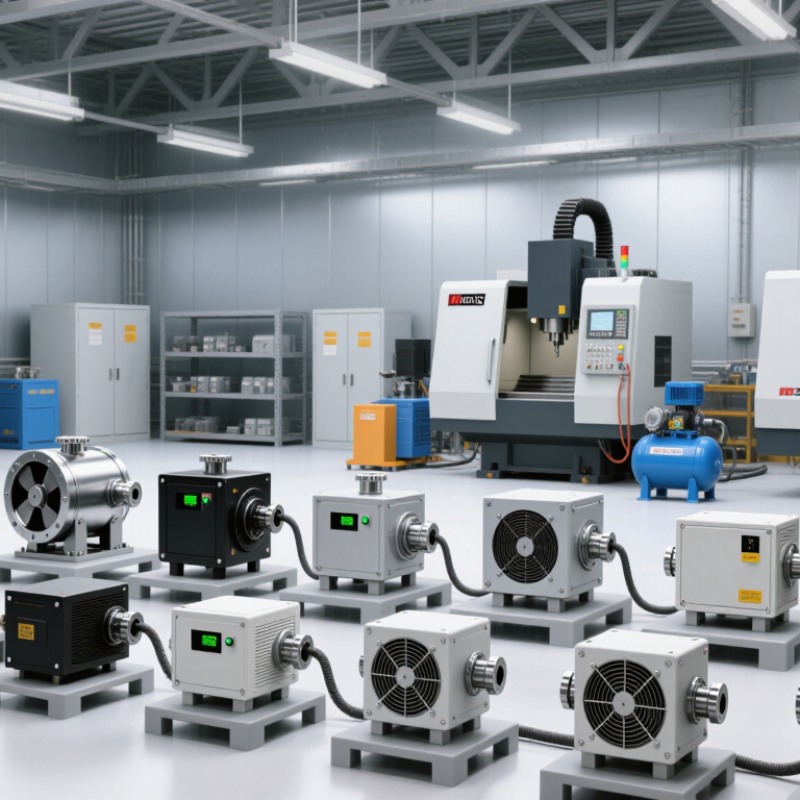
Top 10 Power Phase Converters for Global Buyers

What Power Phase Converters Are and How They Work

Top 10 Power Phase Converters for Global Buyers

A power phase converter changes available single-phase electricity into usable three-phase power. It helps operate industrial motors where utility service is limited. Rotary converters use an idler motor to create a third phase. Static converters use capacitors, while digital converters synthesize the output electronically. Each method behaves differently during motor starting and heavy loading.

In field commissioning, technicians check voltage, current, frequency, and phase balance under real load. A converter rated only by horsepower can disappoint. Starting current may briefly exceed running current by several times. It is not magic. According to the U.S. Department of Energy’s Better Plants guidance, motor-driven systems represent more than half of industrial electricity consumption, making efficiency and correct sizing important. The International Energy Agency also identifies motor systems as a major industrial electricity load.

Global buyers must compare 50 Hz and 60 Hz requirements, input voltage, enclosure ratings, and local wiring rules. NEMA MG 1 recommends keeping motor voltage imbalance near 1% or less. Even a 1% imbalance may create roughly 6% to 10% current imbalance, increasing heat and reducing motor life. Measure under load. Converter output can look acceptable with no machine connected, then fall during cutting, pumping, or compression. A practical weakness remains: published efficiency figures may reflect ideal conditions, not dusty workshops or long cable runs. Independent commissioning records are therefore more reliable than marketing claims.

Key Types, Power Ratings, and Industrial Applications

Top 10 Power Phase Converters for Global Buyers

A practical top-ten shortlist should cover rotary, static, digital, and variable-frequency phase converters. Rotary units suit workshops running several three-phase motors together. Static converters fit smaller, intermittent loads, but they usually deliver less starting torque. Digital converters offer tighter voltage control for CNC equipment, pumps, and compressors. Variable-frequency designs add speed control, reducing mechanical stress during startup. Transformer-based systems help match regional voltages, yet they do not replace careful phase evaluation.

Power ratings commonly range from fractional horsepower equipment to systems exceeding 100 horsepower. Select by motor starting current, continuous load, duty cycle, and available voltage. A 15 kW motor may demand far more power briefly than its nameplate suggests. Check frequency too. A 50 Hz supply cannot always serve a 60 Hz machine safely. IEC 60034 and NEMA MG 1 provide useful motor-performance references, but local installation rules still apply.

The International Energy Agency’s Electricity 2024 report forecasts global electricity demand growth of about 3.4% annually from 2024 through 2026. The U.S. Department of Energy’s Industrial Decarbonization Roadmap also identifies industry as consuming nearly one-third of national energy. These figures support efficient conversion, but efficiency claims need measurement.

A neat rating chart can mislead. Field experience shows that cable length, imbalance, ambient heat, and poor grounding often change results.

Buyers should request tested efficiency, harmonic data, enclosure ratings, and service documentation before comparing the top ten. Test the real load. That matters.

Top 10 Power Phase Converters for Global Buyers

For global buyers, the top 10 power phase converters should be judged by operating conditions, not appearance. Common choices include rotary, static, digital, portable, heavy-duty, low-noise, outdoor-rated, voltage-adjustable, CNC-ready, and custom-engineered models. Each serves a different workload. A small workshop may need a compact static converter, while a 15-kilowatt motor often requires a rotary unit with stronger starting capacity.

Check input voltage, output voltage, frequency, phase balance, rated horsepower, and duty cycle before comparing prices. A converter designed for 60 Hz operation may not suit a 50 Hz facility.

Measure the motor’s starting current, too. It can briefly exceed the nameplate rating by several times. That detail is often missed.

A certified electrician should verify wiring, grounding, enclosure protection, and local installation requirements. Safety documentation matters more than polished product photographs.

Reliable buyers also request test data under load. Look for voltage imbalance below the motor manufacturer’s tolerance, thermal protection, replaceable components, and clear service instructions.

Shipping conditions deserve attention. A unit crossing humid or dusty regions may need stronger packaging and suitable ingress protection.

I would not select the cheapest option automatically. My early comparisons focused too heavily on rated horsepower, and that was incomplete. Noise, spare-part access, harmonic behavior, and restart performance can affect years of operation. Ask for realistic efficiency figures, not only laboratory claims. Performance varies.

How to Compare Voltage, Frequency, and Regional Compatibility

Top 10 Power Phase Converters for Global Buyers

How to Compare Voltage, Frequency, and Regional Compatibility

Selecting a phase converter starts with the equipment nameplate, not the sales listing. Record input voltage, phase, frequency, motor horsepower, and starting current. IEC 60038 identifies common supply systems, including 230/400 volts at 50 hertz and 120/208 volts at 60 hertz. These values are not interchangeable. A converter may change phases while leaving frequency unchanged. Small errors matter.

Regional compatibility also depends on load behavior. Motors can draw several times their rated current during startup, according to typical industrial motor guidance. Therefore, size the converter above the running load, especially for compressors, pumps, and machine tools. Check voltage imbalance, output waveform, grounding, and protection settings. A clean-looking panel does not guarantee stable three-phase power. I have seen specifications that ignored startup demand. That omission can become an expensive lesson.

The IEA Electricity 2024 report projects global electricity demand growth of about 4% in 2024, increasing pressure on dependable industrial power systems. Buyers should request measured output data, not only efficiency claims. Confirm whether the unit supports 50 or 60 hertz, and verify local installation requirements with a qualified electrician. Frequency is easy to overlook. It can affect motor speed, cooling, timers, and production accuracy. Regional plug adapters solve connection problems, but they cannot correct incompatible phase or frequency.

Top 10 Power Phase Converters for Global Buyers

Representative voltage and frequency standards to compare before selecting a phase converter.

Values show common nominal single-phase supply standards. Actual installations may vary by country, utility, and industrial site. Confirm voltage, frequency, phase configuration, motor requirements, and local electrical regulations before purchase.

Installation, Safety, Maintenance, and Buying Considerations

Selecting a power phase converter requires more than comparing output ratings. Match the converter with the motor’s voltage, frequency, horsepower, and starting current. A pump may draw several times its running current. That detail is easy to miss.

Installation should follow local electrical rules and the manufacturer’s wiring diagram. Use a qualified electrician for isolation, grounding, conductor sizing, and protection devices. Leave clear space around the enclosure for cooling and inspection. Dust, moisture, and heat can shorten service life. Check the enclosure rating when equipment operates outdoors or in washdown areas. Keep the disconnect visible and accessible.

Safety checks matter after commissioning. Measure phase voltage under load, not only at idle. Uneven readings may reveal poor connections, undersized cables, or an unsuitable load. Inspect terminals after the first operating period, because vibration can loosen them. Clean vents with approved methods, and never bypass protective devices. Small mistakes become expensive failures.

Maintenance records should include dates, measured values, alarms, and replaced parts. Buyers should request installation instructions, test procedures, spare-part availability, and technical support in their region. Confirm compatibility with local voltage and frequency before ordering. Shipping damage and unclear documentation can delay a project. I have seen teams focus on purchase price and overlook commissioning costs. That choice often needs reconsideration. Conservative sizing is usually safer, but excessive capacity can waste money and energy. Evaluate the complete load profile, operating environment, service access, and expected duty cycle.