As the demand for air quality improvement continues to rise, the importance of regular maintenance of home appliances such as humidifiers cannot be overlooked. Humidifiers play a crucial role in creating a comfortable indoor environment by adding moisture to the air, especially in dry conditions. According to the Environmental Protection Agency (EPA), maintaining optimal humidity levels between 30% and 50% can help reduce the chances of respiratory issues and deter the proliferation of allergens and irritants. However, the effectiveness of these devices is highly dependent on the frequency and method of humidifier filter replacement.
Research indicates that a majority of homeowners underestimate the importance of timely humidifier filter replacement, often leading to diminished performance and potential health risks. The American Lung Association emphasizes that using a clean filter can significantly enhance the air quality, as dirty filters are breeding grounds for bacteria and mold. Additionally, a report by the National Air Filtration Association highlights that filters should be replaced every 1 to 3 months, and the type of filter used can affect not only the efficiency of the humidifier but also the overall well-being of the occupants. Therefore, understanding the nuances of humidifier filter replacement is essential for all homeowners seeking to maintain their device’s performance and ensure a healthy living environment.
Humidifier filter replacement is a vital aspect of maintaining indoor air quality and ensuring the optimal performance of your humidifier. According to the Environmental Protection Agency (EPA), properly maintained humidifiers can help reduce airborne respiratory illnesses, particularly in the dry winter months when humidity levels plummet. Filters play a crucial role in trapping dust, mold, and other allergens, preventing them from circulating in your home. A study published by the American Society of Heating, Refrigerating and Air-Conditioning Engineers (ASHRAE) highlighted that a well-maintained humidifier can alleviate dryness, enhance comfort, and ultimately lead to lower heating costs during chilly seasons.
Failure to replace humidifier filters regularly can result in significant health concerns. Research indicates that dirty filters can harbor bacteria and fungi, which may exacerbate allergies and respiratory conditions. The Mayo Clinic stresses that air quality is pivotal for health, emphasizing that stale or contaminated air could worsen symptoms in individuals suffering from asthma or allergies. Regular filter changes not only ensure that your humidifier functions efficiently but also reduce the likelihood of harmful microorganisms impacting your household. As a guideline, experts recommend checking and changing filters based on usage frequency, but generally, every one to three months is a good benchmark to follow.
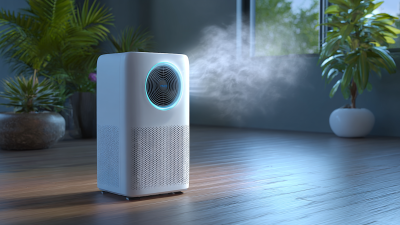
When it comes to maintaining your humidifier, recognizing the signs that it's time for a filter change is crucial for ensuring optimal performance and air quality. One of the first indicators is a noticeable decline in moisture output. If you find that the humidifier is no longer producing the expected level of humidity, it may be struggling to do so due to a clogged or worn-out filter. Additionally, if the unit begins to emit unpleasant odors, it is often a sign that the filter is harboring bacteria or mold, necessitating a replacement.
Another important sign is an increase in the frequency of water deposits or mineral buildup. A dirty filter can lead to inefficient operation, encouraging the development of these deposits, which can be detrimental to both the humidifier and the air quality in your space. If you notice that the filter appears discolored, has an unusual texture, or shows signs of damage, these are clear indicators that it’s time for a change. Staying proactive about filter maintenance not only prolongs the life of your humidifier but also contributes to a healthier living environment.
Replacing your humidifier filter is essential for maintaining the efficiency and effectiveness of the device. Start by ensuring that the humidifier is unplugged and emptied before removal of the filter. This not only guarantees safety but also prevents any spills or mess during the process. Carefully detach the old filter, taking note of how it fits to facilitate the installation of the new one. It's essential to inspect the surrounding areas for any dust or mineral buildup, as cleaning these spots can improve the humidifier's performance.
When selecting a new filter, consider the type of humidifier you have, as the right fit is crucial for optimal function. Tips for ensuring a smooth replacement process include keeping a schedule for filter changes, typically every one to three months, depending on usage. Mark your calendar or set a reminder to avoid neglecting regular maintenance. Additionally, always refer to the user manual for specific guidelines related to your model, as some units might have unique requirements. After installing the new filter, run the humidifier for a few minutes to check for any leaks and to ensure proper operation.
Maintaining a humidifier filter is crucial for ensuring optimal performance and air quality in your home. Research from the Environmental Protection Agency (EPA) indicates that poorly maintained humidifiers can contribute to indoor air pollutants, leading to respiratory issues and other health problems. Regular replacement of the humidifier filter is essential as it traps dust, allergens, and other particles, preventing them from being circulated back into the air. The EPA recommends checking filter conditions every month, particularly during peak usage seasons, to determine whether a replacement is necessary.
In addition to regular replacements, proper cleaning of the humidifier’s components can enhance its efficiency. According to a study by the American Society of Heating, Refrigerating and Air-Conditioning Engineers (ASHRAE), regular cleaning can reduce microbial growth and the release of bacteria into the air. It is advised to use a vinegar solution to descale the tank and other parts of the humidifier, as this helps in breaking down mineral deposits that can accumulate over time. Moreover, setting a maintenance schedule can ensure that filters are replaced and cleaned consistently, thus prolonging the life of the humidifier and maintaining a comfortable living environment.
| Tip No. | Tip Description | Frequency of Replacement | Signs of Clogging | Best Practices |
|---|---|---|---|---|
| 1 | Check filter compatibility with your model. | Every 1-3 months | Reduced mist output | Always use manufacturer-recommended filters. |
| 2 | Inspect the filter for mold or discoloration. | Monthly | Visible mold on the filter | Replace immediately if found. |
| 3 | Clean the humidifier regularly. | Every week | Unpleasant smell | Use vinegar and water solution for cleaning. |
| 4 | Keep the humidifier in a suitable location. | Always | Poor humidity distribution | Avoid corners and enclosed spaces. |
| 5 | Use distilled water to reduce mineral buildup. | Always | White dust on surfaces | Switch to distilled or demineralized water. |
| 6 | Monitor humidity levels using a hygrometer. | Continuous | Humidity above 60% | Maintain humidity between 30%-50%. |
| 7 | Replace filters before seasonal changes. | At least biannually | Operational issues | Plan replacement before winter/summer. |
| 8 | Follow manufacturer instructions carefully. | Always | Improper use may lead to issues | Read the user manual thoroughly. |
| 9 | Consider using a built-in filter indicator. | As needed | Filter alert systems | Benefit from technology features. |
| 10 | Store filters properly when not in use. | When seasonal | Damaged or ineffective filters | Keep in a cool, dry place. |
When it comes to changing humidifier filters, avoiding common mistakes can significantly enhance the efficiency of your unit. One prevalent error is neglecting to read the manufacturer’s instructions. Each humidifier model may have specific guidelines for filter replacement. By skimming over these recommendations, users can unknowingly damage their units or choose the wrong type of filter, leading to inadequate humidity levels and poor air quality.
Another frequent mistake is failing to clean the humidifier before installing a new filter. Dust, mold, and mineral buildup can affect performance and negate the benefits of a clean filter. It's essential to thoroughly clean the humidifier's reservoir and components to prevent contamination and ensure that the new filter functions optimally. Additionally, some individuals mistakenly assume that filters never need replacement; regular maintenance is key. Keeping a schedule for filter changes based on usage and manufacturer suggestions can help maintain the air quality and prolong the life of the humidifier.