Why You Should Install a Home Humidifier for Better Air Quality and Health
As we become increasingly aware of the impact of indoor air quality on our health, the benefits of maintaining optimal humidity levels in our homes are coming to the forefront. Dr. Emily Roberts, a renowned expert in environmental health and air quality, emphasizes the importance of humidity control, stating, “Installing a home humidifier can significantly improve not just the comfort of your space but also the health of your family.”
Dry air can lead to a range of issues, from respiratory problems and skin irritations to the aggravation of allergies and asthma. When you install a home humidifier, you create an environment that supports better breathing and overall well-being. This simple addition can combat the adverse effects of dry air, particularly during the winter months when heating systems strip moisture from the air.
Moreover, maintaining appropriate humidity levels can also protect your home and belongings. Wooden furniture and musical instruments are particularly susceptible to damage from dry conditions. By choosing to install a home humidifier, you not only prioritize the health of your family but also safeguard your home’s integrity. Making the investment in a humidifier today can lead to a healthier, more comfortable living environment for years to come.
Benefits of Humidifiers for Indoor Air Quality Improvement
Maintaining optimal indoor air quality is crucial for health and well-being, and installing a home humidifier can significantly enhance air quality. Studies indicate that maintaining indoor humidity levels between 30% and 50% can help reduce the spread of airborne viruses, as they thrive in dry environments. According to the American Society of Heating, Refrigerating and Air-Conditioning Engineers (ASHRAE), adequate humidity can help alleviate respiratory issues and promote better sleep by keeping mucous membranes lubricated.
A humidifier can also benefit home occupants by minimizing allergy symptoms. The Asthma and Allergy Foundation of America suggests that proper humidity levels can inhibit the growth of dust mites and mold, common triggers for allergies and asthma. In fact, a report from the Environmental Protection Agency (EPA) emphasizes that a well-maintained humidifier can contribute to lowering the risk of respiratory illnesses.
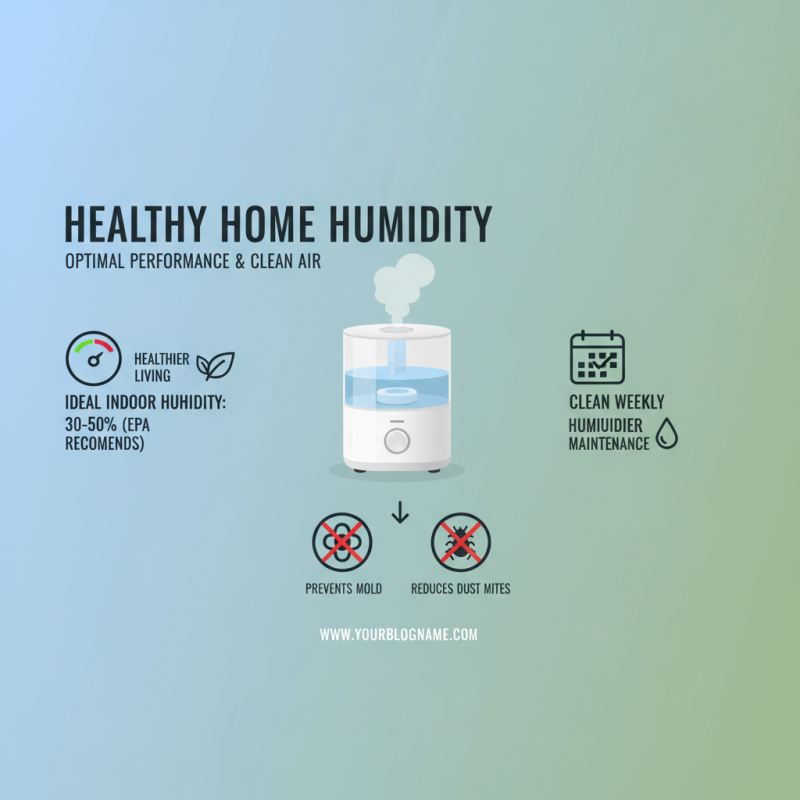
Tips: When using a humidifier, it’s important to keep it clean to prevent the growth of bacteria and mold within the device. Regularly change the water and clean the tank as recommended by the manufacturer to ensure optimal performance. Additionally, consider using a hygrometer to monitor indoor humidity levels, ensuring they stay within the ideal range for health benefits.
Why You Should Install a Home Humidifier for Better Air Quality and Health - Benefits of Humidifiers for Indoor Air Quality Improvement
| Benefit |
Description |
Impact on Health |
| Prevents Dry Skin |
Maintains skin moisture by increasing humidity levels. |
Reduces risks of eczema and dry skin conditions. |
| Reduces Allergens |
Helps to trap dust, pollen, and other allergens. |
Improves respiratory health and decreases allergy symptoms. |
| Improves Sleep Quality |
Creates a comfortable sleeping environment by maintaining optimal humidity levels. |
Leads to better restorative sleep and overall well-being. |
| Protects Furniture |
Prevents wood furniture from cracking due to low humidity. |
Maintains the integrity of household items, contributing to a healthy living space. |
| Eases Cold Symptoms |
Keeps nasal passages moist and reduces congestion. |
Alleviates symptoms associated with colds and flu. |
Impact of Humidity Levels on Respiratory Health
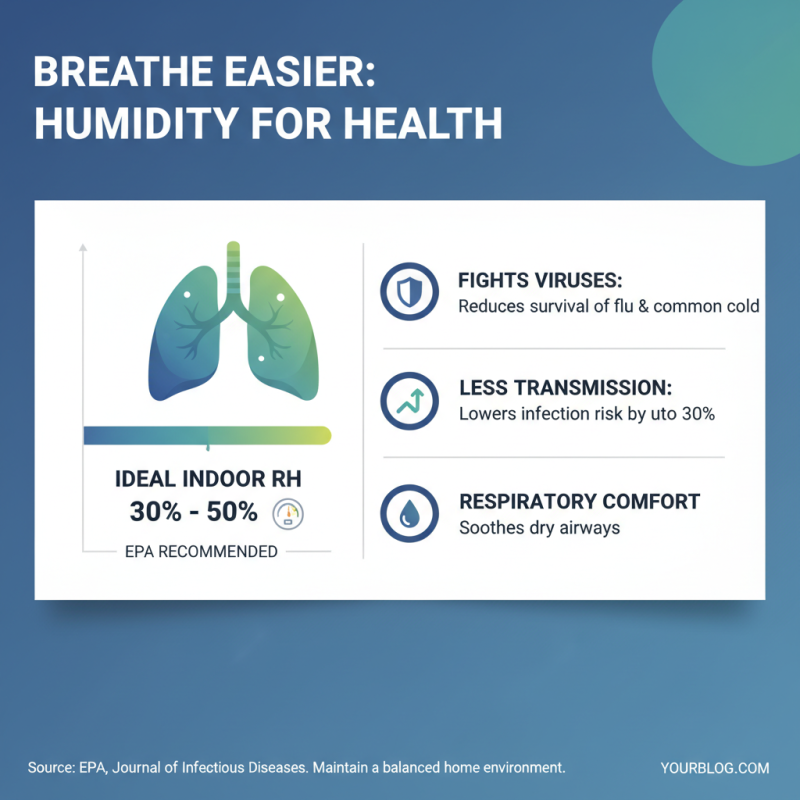
Proper humidity levels in the home are essential for maintaining respiratory health. The ideal indoor relative humidity is typically between 30% and 50%. According to the Environmental Protection Agency (EPA), maintaining humidity within this range can significantly reduce the survival and transmission of viruses, including influenza and the common cold, which thrive in drier conditions. A study published in the Journal of Infectious Diseases found that respiratory viruses could survive longer in low humidity environments, suggesting that appropriate humidity levels can reduce the risk of respiratory infections by up to 30%.
Furthermore, excessive dryness in the air can lead to a variety of respiratory problems. The American Academy of Allergy, Asthma & Immunology highlights that low humidity can exacerbate asthma and allergy symptoms, as it dries out the mucous membranes in the respiratory tract, making it easier for allergens and irritants to enter the body. The National Institute of Health suggests that maintaining optimal humidity levels can alleviate these symptoms and promote better overall lung function. Thus, installing a home humidifier can be a simple yet effective solution for enhancing air quality and fostering a healthier living environment, particularly for those with pre-existing respiratory conditions.
Selecting the Right Type of Humidifier for Home Use
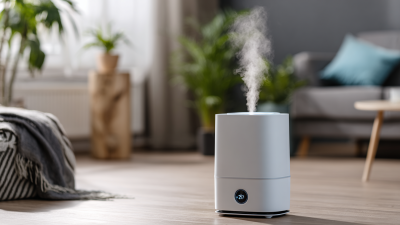
When selecting the right type of humidifier for home use, the first step is to identify the size of the area you want to humidify. Portable humidifiers are ideal for single rooms, while whole-house systems are better suited for larger spaces. Consider the square footage of the area and choose a humidifier with the appropriate output capacity. Additionally, assess the features you require, such as a built-in hygrometer, which measures humidity levels, or filter systems that help maintain clean moisture output.
Another crucial factor is the type of humidification technology used. Evaporative humidifiers use fans to blow air through a wet wick or filter, where evaporation takes place. Ultrasonic humidifiers, on the other hand, utilize vibrations to produce a fine mist, which can be more energy-efficient and quieter. Steam vaporizers heat water to create steam before cooling it, making it a great option for relieving congestion but potentially raising the room temperature. Make sure to weigh the pros and cons of each technology to find one that meets your comfort and health needs.
Maintenance and Care Tips for Optimal Humidifier Performance
To maintain optimal performance and ensure the longevity of your home humidifier, regular maintenance is essential. According to the Environmental Protection Agency (EPA), indoor humidity levels should ideally be kept between 30% and 50% to promote a healthier living environment. Neglecting your humidifier can lead to decreased efficiency and potential air quality issues, such as mold growth and the proliferation of dust mites. Regularly cleaning your humidifier, ideally on a weekly basis, can significantly minimize these risks and keep your indoor air healthier.
A practical maintenance routine includes changing the water daily to prevent bacterial buildup, using distilled or demineralized water to reduce mineral deposits, and cleaning the tank and other components with a vinegar solution monthly. The National Institute of Health emphasizes that a clean humidifier can help prevent respiratory issues, as contaminated units can release harmful particles into the air. Additionally, keeping an eye on the humidity levels with a hygrometer will help you fine-tune your humidifier settings, ensuring optimal performance and air quality throughout your home.
Common Myths and Facts About Humidifiers and Health
Many people hold misconceptions about the use of humidifiers and their impact on health. One common myth is that humidifiers are only necessary in extremely dry climates. However, the American Society of Heating, Refrigerating and Air-Conditioning Engineers (ASHRAE) suggests maintaining indoor relative humidity levels between 30% and 50% for optimal comfort and health. Proper humidity levels can help prevent dry skin, respiratory issues, and can even reduce the spread of airborne viruses, as studies have shown that higher humidity can decrease the viability of pathogens in the air.
Another prevalent myth is that humidifiers can aggravate allergies and asthma. In reality, maintaining appropriate humidity levels can actually improve air quality by mitigating the presence of allergens such as dust mites and mold. The Environmental Protection Agency (EPA) indicates that controlling indoor humidity can significantly reduce the likelihood of mold growth, which thrives in environments with high moisture levels. By installing a humidifier and monitoring humidity levels, individuals can create a healthier living environment that supports better respiratory health and overall well-being.