Essential Guide to HVAC Humidifier Installation Tips and Best Practices
When it comes to maintaining an optimal indoor environment, the role of humidity is often overlooked. According to HVAC expert John Smith, “Proper humidity control not only enhances comfort but significantly improves air quality and overall health.” This emphasizes the importance of integrating a humidifier into your HVAC system, especially in dry climates or during winter months when indoor air tends to be excessively dry.
In this essential guide to HVAC humidifier installation, we will explore the vital tips and best practices to ensure a successful setup. Whether you're a homeowner looking to improve your living conditions or an HVAC professional seeking to enhance your services, understanding the intricacies of humidifier installation is key. By mastering the fundamentals of HVAC humidifier installation, you can create a healthier and more comfortable space while optimizing the efficiency of your heating and cooling systems.
Understanding the Importance of Humidifiers in HVAC Systems
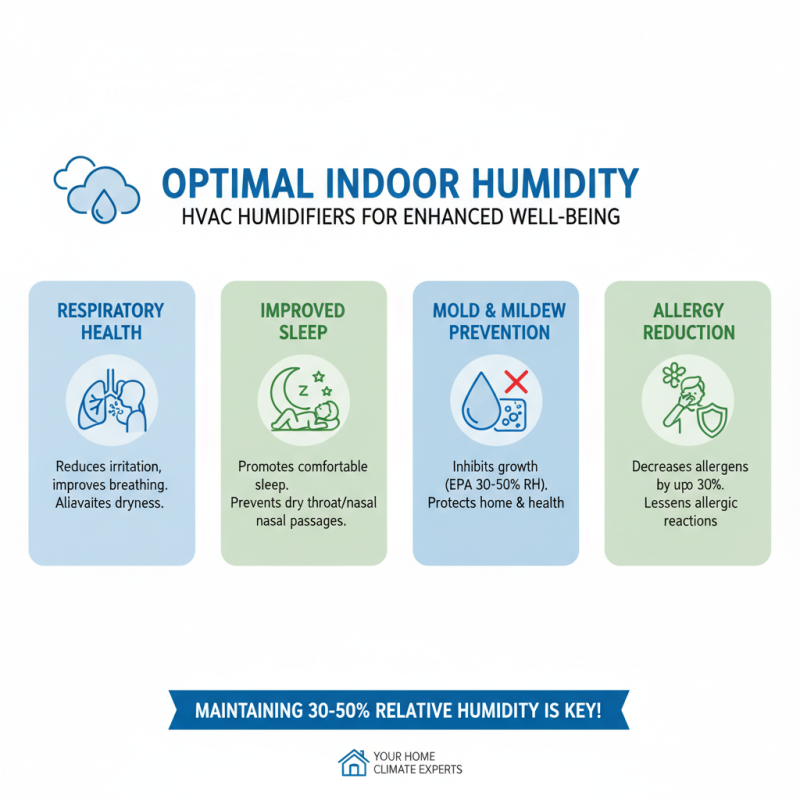
Humidifiers play a crucial role in HVAC systems by maintaining optimal indoor humidity levels, which can significantly enhance comfort and well-being. According to the Environmental Protection Agency (EPA), maintaining indoor humidity between 30% and 50% can help mitigate respiratory issues and enhance sleep quality. This range not only improves comfort but also helps in preventing the growth of mold and mildew, which thrive in excessively humid conditions. In fact, studies have shown that maintaining appropriate humidity levels can reduce the incidence of allergic reactions by up to 30% in sensitive individuals.
Moreover, using a humidifier in an HVAC system can lead to energy savings. The U.S. Department of Energy (DOE) suggests that proper humidity control can ease the strain on heating systems. Dry air can make indoor spaces feel colder than they are, prompting heating systems to work harder and consume more energy. By optimizing humidity, homeowners can reduce their heating and cooling costs by approximately 10-20%, according to a report by the American Society of Heating, Refrigerating and Air-Conditioning Engineers (ASHRAE). Additionally, maintaining proper humidity can protect building materials and furnishings, prolonging their lifespan and reducing long-term maintenance costs. Engaging in the correct installation and maintenance practices for HVAC humidifiers ensures that these benefits are fully realized, contributing to healthier living environments and cost-effective energy use.
Types of HVAC Humidifiers: Choosing the Right One for Your Needs
When choosing the right HVAC humidifier, it’s essential to consider the various types available to meet your specific needs. The most common categories are evaporative, steam, and ultrasonic humidifiers.
Evaporative models use a fan to blow air through a wet wick or pad, making them self-regulating as humidity levels rise. They are particularly effective in larger spaces but may require frequent maintenance to keep the wick clean and functional.
On the other hand, steam humidifiers boil water to produce steam, which is then cooled slightly before being released into the air. This type is excellent for scenarios where precise humidity control is necessary, and they are ideal for more extensive HVAC systems.
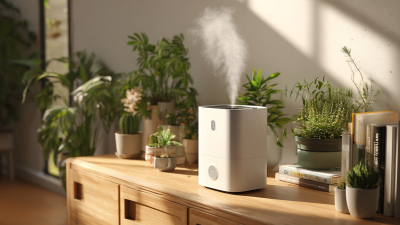
Ultrasonic humidifiers utilize high-frequency vibrations to create a fine mist, making them quiet and energy-efficient. These are well-suited for personal spaces, but they might require the use of demineralization cartridges to prevent mineral buildup.
Understanding these options will help you select the ideal humidifier that aligns with your comfort requirements and maintenance preferences.
Step-by-Step Guide to Installing an HVAC Humidifier
Installing an HVAC humidifier can significantly improve indoor air quality and comfort, especially in dry climates. According to the U.S. Environmental Protection Agency, maintaining optimal humidity levels between 30% and 50% can enhance respiratory health and prevent the proliferation of allergens. When tackling the installation of an HVAC humidifier, it is essential to follow a systematic approach to ensure efficiency and effectiveness.
Begin by selecting the right type of humidifier for your HVAC system, ideally one that integrates seamlessly with your existing setup. A central humidifier is often recommended for whole-house applications, as it can be connected directly to the supply ducts. Before installation, it’s crucial to prepare the necessary tools and materials, such as a water source, drain line, and electrical connections. Ensure you have access to the ductwork; this may involve cutting openings for mounting the unit securely. According to a report by the National Association of Home Builders, improper installation can lead to moisture issues, which may also impact the longevity of your HVAC system.
Once the humidifier is in place, adjustment and calibration are vital. Set the humidistat to monitor humidity levels and ensure they remain within the recommended range. Regular maintenance, including cleaning and replacing filters, will further optimize performance. A study from the Indoor Air Quality Association highlights that regular upkeep of humidifiers can prevent issues such as mold growth, which can arise from excessive moisture. Proper installation and maintenance of your HVAC humidifier not only enhances comfort but also contributes to a healthier indoor environment.
Humidity Levels Before and After HVAC Humidifier Installation
Common Mistakes to Avoid During Humidifier Installation
When installing a humidifier, avoiding common mistakes is crucial for ensuring optimal performance and longevity. One prevalent error is neglecting to assess the appropriate size of the humidifier for the space. Choosing a unit that is too small will fail to adequately humidify the area, while an oversized unit can lead to excessive humidity, creating conditions conducive to mold growth. It is essential to calculate the room size and select a humidifier that can efficiently manage humidity levels within that specific environment.
Another frequent mistake is improper placement of the humidifier. Placing the unit too close to walls or furniture can impede air circulation, making it less effective. Ideally, the humidifier should be positioned in a central location, away from obstructions, to ensure even distribution of moisture throughout the space. Additionally, failing to follow the manufacturer's guidelines for installation can lead to operational issues. This includes ensuring correct water connections and electrical setups, which are critical for safe and efficient operation. Taking care to avoid these mistakes will enhance the overall effectiveness of the humidifier installation, leading to a more comfortable living environment.
Essential Guide to HVAC Humidifier Installation Tips and Best Practices - Common Mistakes to Avoid During Humidifier Installation
| Tip/Practice |
Description |
Common Mistake |
Avoidance Strategy |
| Choose Right Size |
Select a humidifier that matches your home’s size and needs. |
Installing a unit that is too large or small. |
Calculate room volume and humidity requirements before purchase. |
| Proper Location |
Install humidifier near the main air supply to ensure even distribution. |
Placing the unit in a corner or closed space. |
Use open spaces and ideally at least 3 feet away from walls. |
| Regular Maintenance |
Conduct regular cleaning and filter changes to ensure efficiency. |
Forgetting maintenance leads to performance declines. |
Set reminders for regular maintenance checks. |
| Correct Humidity Levels |
Maintain indoor humidity levels around 30-50% for comfort. |
Setting humidity too high can cause mold growth. |
Use a hygrometer to monitor humidity levels accurately. |
| Check Water Supply |
Ensure a reliable water source is connected to the humidifier. |
Neglecting water line connections. |
Inspect connections prior to installation and periodically thereafter. |
Maintenance Tips for Optimal HVAC Humidifier Performance
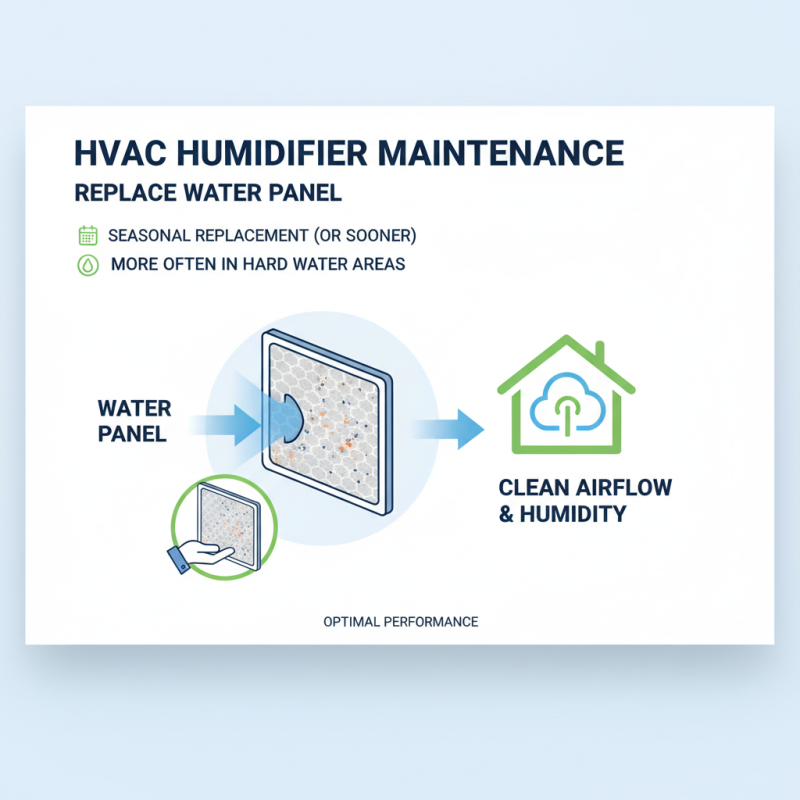
Proper maintenance is crucial for the optimal performance of your HVAC humidifier. Regularly checking and replacing the water panel is essential, as this component is vital to maintaining humidity levels and ensuring clean airflow. Depending on your system usage, it's advisable to replace the water panel at least once every season or even more frequently in areas with hard water, as mineral buildup can significantly hinder performance.
Additionally, regularly cleaning the humidifier and its components will prevent the accumulation of mold and bacteria, which can compromise indoor air quality. It's important to drain any leftover water at the end of the season to prevent stagnant water from becoming a breeding ground for microbial growth. Make it a routine to inspect the humidistat settings and functionality to ensure your system responds accurately to humidity levels in your home, providing a comfortable environment without over-humidifying. By following these maintenance tips, you can extend the lifespan of your HVAC humidifier while optimizing its performance for a healthier living space.