Top 10 Humidifier Filter Replacement Tips for Better Air Quality?
Maintaining air quality in our homes is crucial for overall health. Many people overlook the importance of regular humidifier filter replacement. According to the Environmental Protection Agency, indoor air pollution can be two to five times higher than outdoors. This makes proper humidification essential.
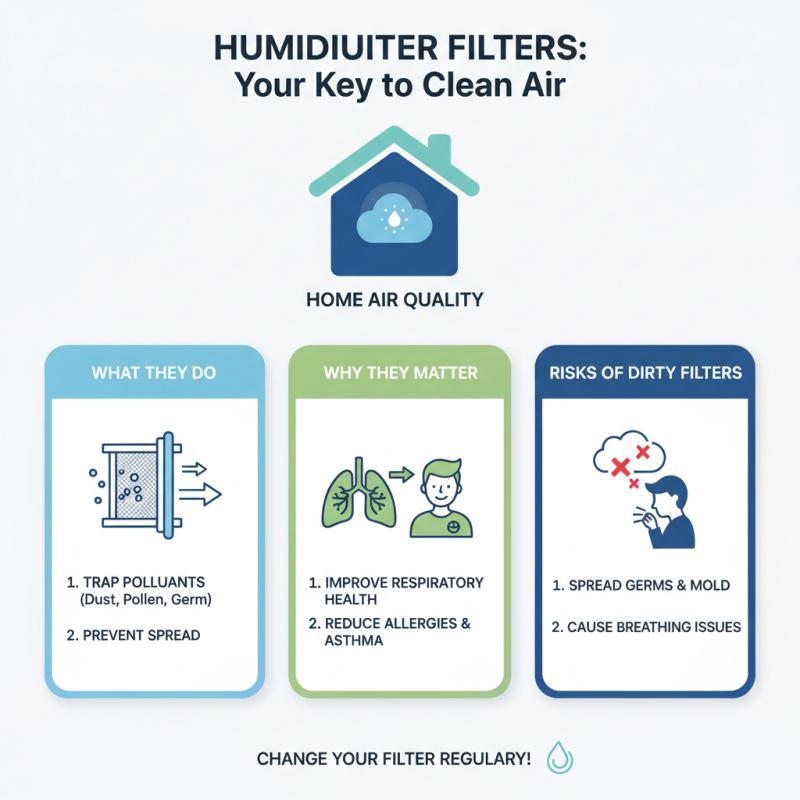
Regular replacement of humidifier filters ensures effectiveness. Clogged or dirty filters can harbor bacteria and mold. A study by the American Lung Association highlights the link between poor air quality and various respiratory issues. Replacing filters on time can significantly reduce these risks.
However, many users neglect this simple task. They often forget when to replace their filters. Some even think that cleaner water will suffice. This misconception can lead to subpar air quality. Remember, a well-maintained humidifier fosters a healthier indoor environment.
Understanding the Importance of Humidifier Filters for Air Quality
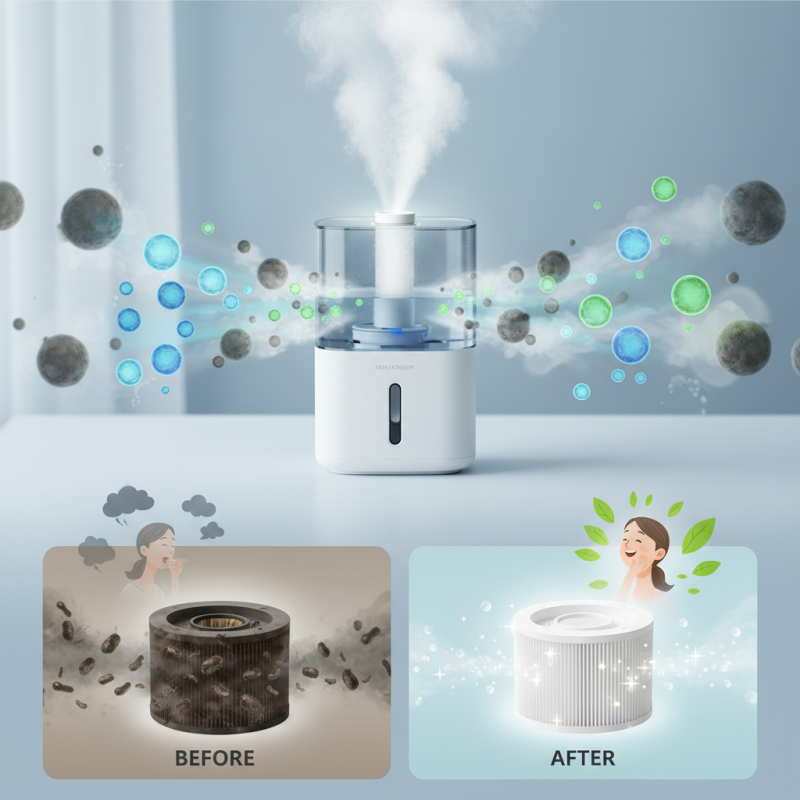
Humidifier filters play a crucial role in maintaining good air quality. They help to trap dust, pollen, and other pollutants. Without proper filters, your humidifier can spread these irritants back into the air. Over time, dirty filters can impact your health, causing respiratory issues.
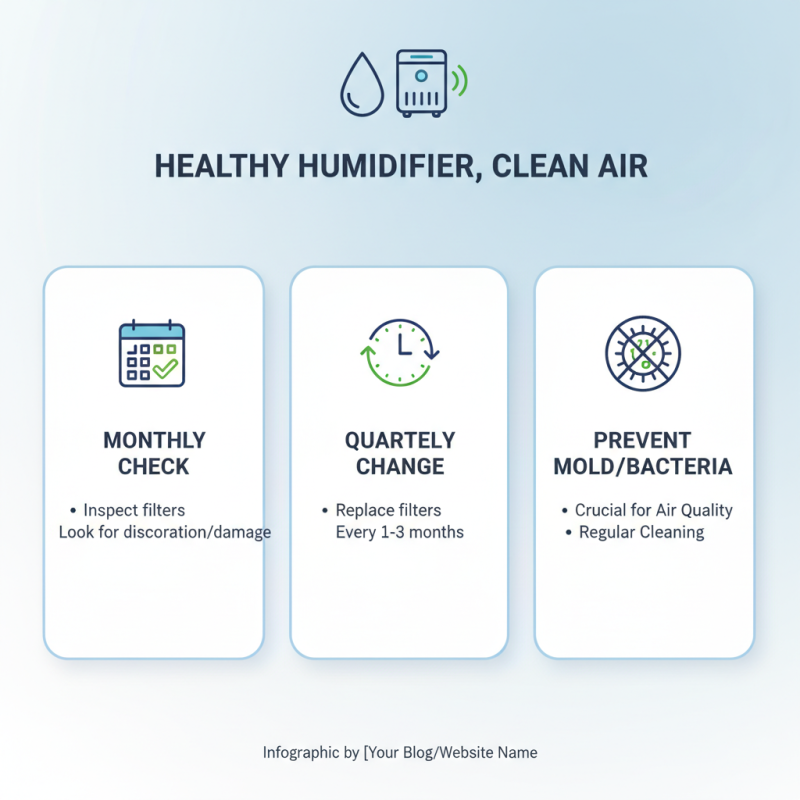
To ensure your humidifier operates effectively, regularly replacing the filters is essential. Check them monthly for dirt buildup. Clean them according to the manufacturer’s guidelines. When you notice a decline in humidity levels, that might be a sign of a clogged filter.
Tip: Look for signs your filter needs changing, such as strange odors or ineffectiveness. A good habit is to have replacement filters on hand. This way, you won't wait too long before replacing a dirty one. Remember, a well-maintained filter can significantly improve your indoor air quality. Regular maintenance simplifies your air quality management.
Signs That Indicate Your Humidifier Filter Needs Replacement
A humidifier filter plays a crucial role in maintaining air quality. Signs that indicate the need for replacement can often be overlooked. If your humidifier is emitting strange odors, it's time to check the filter. A musty smell suggests mold growth, which can worsen health issues.
Another clear sign is reduced mist output. If the humidifier seems less effective, sediment buildup may be clogging the filter. Inconsistent humidity levels can also point to a filter issue. If the air feels dry despite running the device, the filter may be restricting airflow.
Visual inspection is key. If you see discoloration or visible dirt on the filter, that’s not a good sign. It may mean the filter is saturated with impurities. Regular checks will help maintain optimal performance. Avoid waiting too long; stale air doesn’t help anyone.
Recommended Replacement Frequency Based on Humidifier Type
When it comes to maintaining air quality, replacing humidifier filters is essential. Various humidifier types recommend different replacement frequencies. For evaporative humidifiers, filters should be changed every 2-4 weeks. These devices can accumulate dirt and minerals quickly. A study indicated that neglected filters could affect efficiency and promote allergens.
Ultrasonic humidifiers, on the other hand, typically require less frequent maintenance. Reports suggest changing filters every 1-3 months. However, hard water can create mineral buildup, diminishing performance. If you notice white dust around your humidifier, it might be time for a replacement sooner than suggested.
Tip: Always check your humidifier’s manual for manufacturer guidelines. It’s also wise to set reminders for regular changes. Keeping track helps maintain optimal air quality. Remember, using distilled water can extend the life of your filters significantly. Regular maintenance avoids potential health risks, especially for allergy sufferers. Inconsistent replacement can lead to stale, polluted air. Reflecting on your habits can reveal patterns worth changing.
Top 10 Humidifier Filter Replacement Tips for Better Air Quality
| Humidifier Type |
Recommended Replacement Frequency |
Key Considerations |
| Evaporative Humidifier |
Every 1-3 months |
Check for mineral buildup; replace filters regularly to ensure optimal function. |
| Steam Vaporizers |
Every 1-3 months |
Clean the unit regularly; replace filters to avoid microbial growth. |
| Ultrasonic Humidifier |
Every 1-3 months |
Use distilled water to minimize maintenance; watch for buildup. |
| Impeller Humidifier |
Every 2-4 months |
Requires regular cleaning; filters help trap minerals. |
| Whole House Humidifier |
Every 6 months |
Check system at beginning of the season; ensure drain pipes are clear. |
| Portable Humidifier |
Every month |
Ideal for smaller spaces; clean frequently to prevent mold. |
| Centrifugal Humidifier |
Every 3-6 months |
Regular maintenance helps efficiency; check water quality. |
| Hybrid Humidifier |
Every 1-3 months |
Best of both worlds; monitor performance for signs of wear. |
| Microwave Humidifier |
Every month |
Monitor closely; simple to maintain but sensitive to mineral content. |
| Dehumidifying Humidifier |
Every 3-4 months |
Balancing humidity levels is key; watch for signs of over-drying. |
Choosing the Right Filter for Optimal Humidification and Health Benefits
Choosing the right filter for your humidifier is crucial for maintaining optimal air quality. According to the American Lung Association, indoor air pollution can be more harmful than outdoor air. A good humidifier filter reduces allergens such as dust mites and mold. A well-maintained filter can capture up to 95% of these harmful particles.
Look for filters that meet specific health standards. High-efficiency particulate air (HEPA) filters are a great option. They can trap particles as small as 0.3 microns. This is essential for allergy sufferers. However, many users overlook filter maintenance. Regularly replacing your filter can prevent humidity-related issues, such as respiratory problems. Neglecting this can lead to higher levels of pollutants.
Consider the size and type of your humidifier when choosing a filter. Not all filters are compatible with every model. Make sure to consult guidelines before purchasing. Also, some filters are designed to release minerals into the air, which may not be beneficial. Be cautious of your choices. Your health and air quality depend on it.