Skip to content

What Is the Best Plastic Cosmetic Bottles Supplier?

Choosing the right supplier begins with a practical question: What Is the Best Plastic Cosmetic Bottles Supplier? The answer depends on more than attractive pricing. A reliable partner should combine stable manufacturing, clear communication, consistent quality, and responsible material selection. Plastic Cosmetic Bottles must protect creams, serums, oils, and lotions during filling, shipping, and daily use. A weak bottle can leak around its shoulder or warp under pressure. Small defects create expensive problems.

Experienced buyers usually examine samples before approving large orders. They check the cap’s thread, pump performance, wall thickness, surface finish, and label adhesion. They also compare production capacity, mold development, quality inspections, and delivery records. A professional supplier should provide material details, testing information, and traceable production documents. Certifications may support credibility, but they should be verified rather than accepted blindly. Clear answers matter.

No supplier is perfect. That matters. A factory may offer excellent decoration but slower delivery. Another may provide fast production but limited customization. A thoughtful evaluation should record these weaknesses instead of hiding them. It should also consider recycled content, packaging waste, and safe handling practices. Cosmetic packaging affects brand reputation long after the first purchase. A dependable supplier listens carefully, explains limitations, and corrects mistakes openly. This guide will compare the practical signals behind strong supplier performance, helping brands make a more informed and realistic decision.
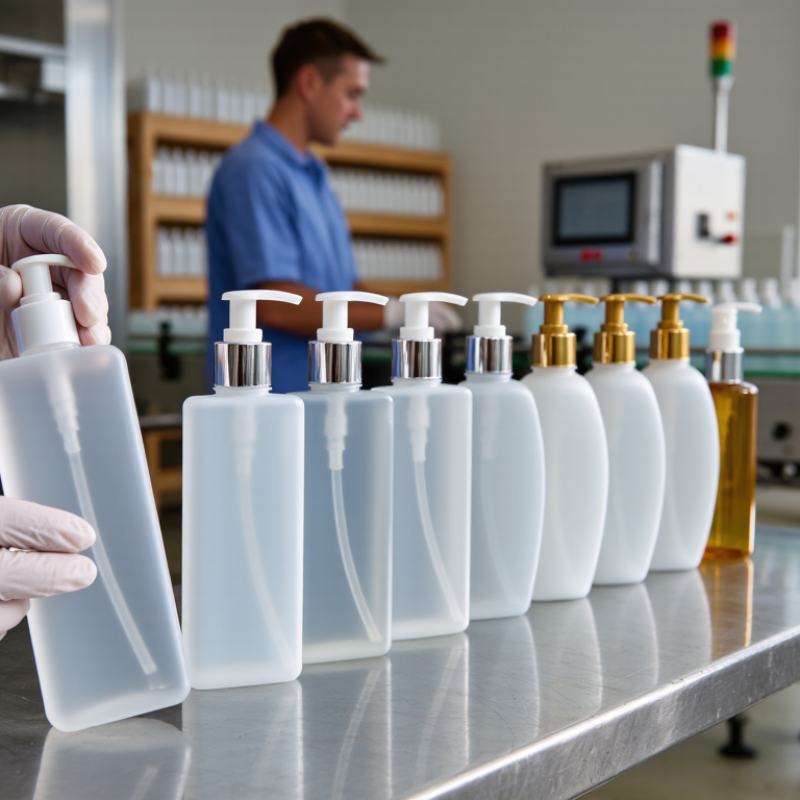
What Is the Best Plastic Cosmetic Bottles Supplier?

What Defines a Reliable Plastic Cosmetic Bottle Supplier?

What Is the Best Plastic Cosmetic Bottles Supplier?

A reliable plastic cosmetic bottle supplier offers more than attractive packaging. They understand how a bottle performs during filling, shipping, storage, and daily use. In my packaging experience, small details often cause expensive problems. A loose cap can create leaks. An uneven shoulder can affect labeling. Reliable suppliers provide material specifications, neck measurements, closure details, and batch records. They should also explain whether PET, HDPE, or another material suits the formula and dispensing method.
Quality control must be visible, not simply promised. Ask for production samples before approving a large order. Check the bottle’s weight, color consistency, wall thickness, cap torque, and leak resistance. A professional supplier should support compatibility testing and provide clear documentation. They should also communicate realistic lead times. Fast promises are not always dependable. I have learned that even a good supplier may have occasional defects, so inspection plans still matter. Trust should include accountability.
Tips: Compare samples from different production batches. Test filled bottles under heat, cold, and movement. Confirm minimum order quantities and replacement procedures in writing. Ask how rejected products are handled. A supplier that answers clearly is usually easier to work with. Still, do not rely on communication alone. Review evidence, test results, and delivery performance before making a long-term decision.

Which Plastic Types and Bottle Designs Best Fit Cosmetic Products?

What Is the Best Plastic Cosmetic Bottles Supplier?

Choosing a cosmetic bottle starts with the formula, not the supplier’s catalog. PET offers clear visibility and a polished appearance for serums, toners, and lightweight lotions. HDPE provides stronger chemical resistance and protects products from everyday handling. PP works well for squeezable bottles, caps, and packages needing higher flexibility. Each plastic behaves differently under heat, pressure, and repeated use.

Bottle design must match product thickness and consumer habits. A lotion needs a wider opening or a controlled pump. A facial mist needs a fine sprayer that produces an even cloud. Airless bottles can reduce repeated air exposure, but their internal parts require careful compatibility testing. Dark or opaque plastic may help protect light-sensitive formulas. It also hides the remaining product, which some users dislike.

Experienced suppliers should provide samples, material specifications, closure options, and testing support. Ask for migration data and compatibility results for the actual formula. Small details matter, such as a cap that stays secure in a handbag or a pump that does not drip after use. A bottle may look excellent during sampling, yet fail after weeks of filling and transport. That is easy to underestimate. Testing at different temperatures and fill levels can reveal warping, leakage, or dosage changes. The best choice is rarely the most attractive bottle alone.

How to Evaluate a Supplier’s Quality, Safety, and Certifications

Choosing the best plastic cosmetic bottles supplier requires more than comparing prices. A reliable evaluation begins with material control, production consistency, and documented safety procedures. Ask which resin is used, whether it is virgin or recycled, and how each batch is traced. Request samples from different production runs. One attractive sample proves very little.

Check the supplier’s quality system through specific evidence. Look for incoming material inspections, mold maintenance records, leak testing, dimensional checks, and controlled storage. Bottles should survive filling, transport, and repeated handling without cracking or deforming. Ask for test reports covering chemical compatibility, color stability, and closure performance. Some suppliers provide impressive files, but the documents may not match the actual bottle. That gap deserves attention.

Certifications should be verified, not simply displayed in a presentation. Confirm the issuing organization, certificate scope, expiration date, and manufacturing site. Depending on your market, relevant documentation may include ISO quality systems, material declarations, safety data, and packaging compliance statements. Independent laboratory testing adds credibility, especially for migration or restricted-substance concerns. Factory audits can reveal details paperwork misses, such as dusty storage areas or inconsistent labeling. A supplier may answer every question correctly and still have weak follow-up service. Clear corrective-action records matter. My evaluation would remain cautious until samples, records, and production performance agree.

What Customization and Production Services Should You Expect?

A capable plastic cosmetic bottle supplier should offer more than attractive samples. Customization must begin with product compatibility, not decoration. Ask for resin options, bottle weight, neck size, closure fit, and light protection. Airless structures may help protect sensitive formulas, while PCR content can support sustainability goals when performance remains stable. Grand View Research estimated the global cosmetic packaging market at over USD 30 billion in 2023, showing strong demand for flexible, scalable production.

Production services should include 3D drawings, mold development, color matching, surface finishing, and pilot sampling. Reliable suppliers also provide leak, drop, torque, spray, and compatibility testing. Request batch records and inspection standards before mass production. The Sustainable Packaging Coalition reports that packaging decisions should consider the full system, including material recovery and actual local infrastructure. A recyclable bottle is not automatically recycled.

Tips: Confirm the sample with your real formula. Water testing is not enough. Check the bottle after heat, cold, transport, and repeated opening. Ask about minimum order quantities, mold ownership, lead times, and replacement policies. A low unit price can hide expensive tooling or inconsistent color. Even experienced teams miss this detail. Also, customization may increase waste and setup time. Review the design again before approving production; a simpler bottle may perform better. Supplier claims should be supported by test reports, not only polished photographs.

How to Compare Pricing, Minimum Orders, and Delivery Capabilities

Choosing the best plastic cosmetic bottles supplier requires more than comparing the lowest quote. Ask for a detailed price breakdown covering bottle size, resin type, decoration, closures, tooling, and packaging. A cheaper unit price may exclude mold charges or printed samples. Request quotes for several quantities, such as 5,000, 20,000, and 50,000 units. This reveals how pricing changes as production volume grows. Confirm whether taxes, freight, inspection, and replacement costs are included.

Minimum order quantities can affect cash flow and storage space. A supplier offering 10,000 pieces may suit a growing product line better than one requiring 100,000. Check whether mixed colors or sizes count as separate orders. Delivery capability also needs careful testing. Ask for sample approval timelines, production lead times, shipping methods, and recent on-time delivery records. A written schedule is more useful than a confident promise. I once underestimated closure availability, and the bottles arrived before the pumps. That mistake delayed filling by nearly two weeks.

Tips: Compare landed cost, not unit price. Request production samples before full payment. Confirm carton dimensions and pallet quantities. Ask how delays are reported. Keep a small schedule buffer, because perfect forecasts rarely survive real production. Review material specifications and quality records, but verify every document independently. A supplier’s communication during a small trial order often reveals more than a polished sales presentation.

What Is the Best Plastic Cosmetic Bottles Supplier? - How to Compare Pricing, Minimum Orders, and Delivery Capabilities

Supplier Profile Typical Products Common Material Options Indicative Unit Price
(USD, 10,000 pcs)
Typical MOQ Standard Production Lead Time Customization Capability Delivery Strength Best Fit
Profile A: Stock Packaging Specialist Standard lotion bottles, serum bottles, toner bottles, jars PET, HDPE, PP, glass $0.18–$0.65 1,000–5,000 units 15–30 days Basic color, decoration, and closure selection Fast dispatch from existing inventory Startups, small launches, and short product runs
Profile B: High-Volume Injection Molder Thick-wall bottles, airless containers, pump bottles, jars PP, HDPE, PETG, PCR plastic $0.12–$0.48 10,000–30,000 units 35–60 days, excluding new tooling Custom molds, colors, finishes, and wall structures Strong capacity for repeat orders and large volumes Established brands with predictable demand
Profile C: Sustainable Packaging Manufacturer PCR bottles, refillable containers, mono-material packaging PCR PET, PCR HDPE, PP, bio-based resin $0.25–$0.85 5,000–20,000 units 30–55 days Recycled-content percentages, color matching, and recyclable designs Material documentation may require additional approval time Sustainability-focused skincare and personal-care lines
Profile D: Premium Decoration Specialist Luxury bottles, frosted containers, metallic-finish packaging PET, PETG, acrylic, glass $0.45–$1.60 3,000–10,000 units 40–70 days Screen printing, hot stamping, spray coating, metallization, and labeling Detailed sampling and quality inspection before mass production Premium cosmetics requiring high visual impact
Profile E: Regional Quick-Turn Supplier Ready-made bottles, jars, droppers, pumps, and caps PET, HDPE, PP, aluminum, glass $0.30–$1.10 500–2,500 units 7–21 days for stocked items Limited customization; private labeling may be available Short domestic or regional transit times Urgent replenishment and limited-quantity orders
Profile F: Full-Service Packaging Partner Bottles, closures, pumps, decoration, filling, and assembly PET, HDPE, PP, PCR plastic, glass $0.35–$1.40, excluding filling 5,000–25,000 units 45–90 days Packaging development, component matching, filling, and kitting One coordinated supply chain, but more approval stages Brands seeking fewer vendors and integrated production
Comparison note: Price ranges are indicative market-reference ranges for empty cosmetic packaging and can change according to bottle size, resin grade, closure type, decoration, tooling, order quantity, packaging method, shipping terms, and destination. Confirm the final quotation, sample approval, production schedule, quality requirements, and total landed cost before selecting a supplier.