Essential Tips for Choosing Electrical Breakers for Your Needs?
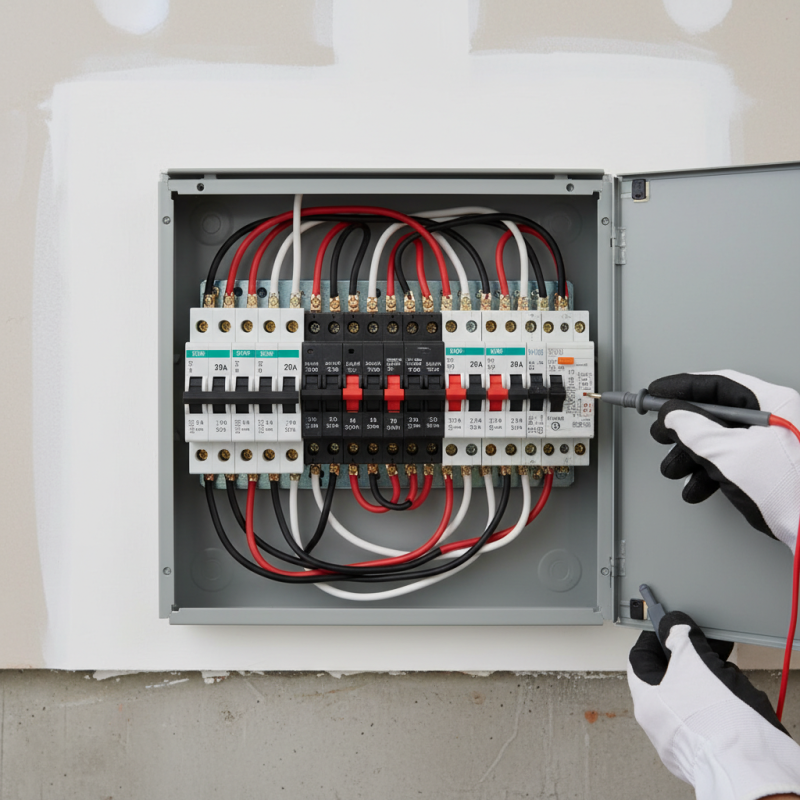
Choosing the right Electrical Breakers for your needs can be challenging. Electrical breakers are essential components that protect your home from electrical faults. They act as a safeguard against overload, short circuits, and electrical fires.
Understanding the different types of electrical breakers is crucial. Each type serves a specific purpose and has unique features. For instance, some are designed for residential use while others are more suitable for commercial settings. Knowing your requirements helps narrow down options. Many people overlook this initial step, leading to potential safety hazards.
Additionally, not all electrical breakers are created equal. Factors such as amperage rating, voltage, and trip mechanism play significant roles. If you rush this decision, you might face future complications. Take time to research and ensure you select the breaker that aligns with your electrical system. Your safety depends on it.
Understanding the Basics of Electrical Breakers
Understanding electrical breakers is essential for safe electrical systems. These devices protect circuits from overloads and short circuits. A breaker interrupts the current flow when it detects excess electricity. This simple action can prevent fires and equipment damage.
Choosing the right breaker for your needs involves more than just size. Consider the type of devices you power. Common types include circuit breakers, ground fault circuit interrupters (GFCIs), and residual current devices (RCDs). Each serves different purposes. For instance, GFCIs safeguard against electrical shocks in wet areas.
Familiarize yourself with amp ratings. An undersized breaker might trip frequently, while oversized ones can be hazardous. Pay attention to the voltage rating as well. Proper ratings ensure efficient operation. Take your time to assess both power needs and safety factors before making a selection. This thoughtful approach can influence long-term satisfaction and safety. Understanding these basics is the first step in building an efficient electrical system.
Essential Tips for Choosing Electrical Breakers for Your Needs
| Breaker Type | Current Rating (Amps) | Voltage Rating (Volts) | Number of Poles | Applications |
| Single-Pole Circuit Breaker | 15-20 Amps | 120 Volts | 1 | Lighting and receptacle circuits |
| Double-Pole Circuit Breaker | 30-40 Amps | 240 Volts | 2 | Large appliances (e.g., dryers, ovens) |
| GFCI Breaker | 15-20 Amps | 120 Volts | 1 | Wet areas (e.g., bathrooms, kitchens) |
| AFCI Breaker | 15-20 Amps | 120 Volts | 1 | Living areas (e.g., bedrooms, living rooms) |
| Three-Pole Breaker | 30-100 Amps | 480 Volts | 3 | Industrial machinery and large equipment |
Types of Electrical Breakers and Their Functions
When selecting electrical breakers, it's essential to understand the different types available. Circuit breakers are designed to protect your electrical system from overloads and short circuits. The most common types include standard breakers, GFCI breakers, and AFCI breakers. Each serves a unique purpose and is necessary for certain electrical environments.
Standard breakers are typically found in residential settings. They are reliable for general usage. GFCI breakers protect against ground faults, crucial for wet areas like kitchens and bathrooms. AFCI breakers help prevent fires caused by arc faults, offering enhanced safety. Understanding these functions is key when making a choice.
When choosing the right breaker, always consider your specific needs. Think about the electrical load in your space. It's a critical factor. Consult with an expert if you're unsure. Evaluate your current electrical system, and observe the areas where you experience issues. It’s worth reflecting on those moments. An in-depth assessment can prevent future problems. Seek guidance to ensure reliability and safety in your electrical setup.
Essential Tips for Choosing Electrical Breakers for Your Needs
This chart illustrates the percentage usage of various types of electrical breakers. Understanding the functions and applications of each type can help you make informed decisions when selecting the right breaker for your electrical needs.
Factors to Consider When Choosing Electrical Breakers
When selecting electrical breakers, understanding your needs is crucial. Start by determining the total load your system will handle. This includes calculating the amperage of all connected appliances. A clear assessment prevents overloading and possible hazards.
Consider the voltage rating of the breakers. Choosing the wrong voltage can lead to malfunctioning electrical systems. It's vital to align these ratings with your property's specifications. Additionally, investigating the type of breaker is essential. Standard circuit breakers, GFCI, and AFCI breakers serve different purposes. Do some research to understand their functions deeply.
A useful tip: always verify the tripping characteristics you require. Some breakers trip quickly, while others may allow a few surges. An improper trip can lead to unnecessary power disruptions. Remember to consult with a qualified electrician for unbiased insight. Their professional experience offers guidance tailored to your specific situation.
Sizing Your Electrical Breakers for Optimal Performance
Choosing the right electrical breaker is crucial for any electrical system. Proper sizing is essential for optimal performance and safety. Breakers must handle specific loads without tripping unnecessarily. According to industry reports, it’s recommended that breakers be sized for at least 125% of the continuous load to avoid overheating and failures.
For example, a 20-amp circuit should ideally support a continuous load of no more than 16 amps. Oversizing can lead to nuisance tripping, while undersizing presents risks of overheating. The National Electrical Code (NEC) emphasizes that selecting the appropriate breaker size involves considering both the gauge of wiring and the total amperage of devices on the circuit. Installation errors are common, leading to high replacement costs and safety hazards.
Take time to calculate your needs accurately. Consulting with an electrician can enhance your understanding of load requirements. Small mistakes can result in bigger problems down the line. The right breaker not only protects your equipment but also provides peace of mind in energy management. Planning ahead is vital in avoiding suboptimal breaker choices that can stress your system.
Safety Standards and Regulations for Electrical Breakers
When selecting electrical breakers, safety standards and regulations come first. These guidelines ensure that breaker systems are reliable and protect homes from electrical hazards. Familiarizing yourself with local electrical codes is vital. Each area may have specific requirements. Non-compliance can lead to safety issues and potential fire hazards.
Consider using breakers that meet the National Electrical Code (NEC) standards. This code provides benchmarks for performance and safety. Breakers should have the right rating for your specific application. Overloading a breaker can result in failure, risking property and life. It is essential to evaluate the appliances and devices in your home.
Testing breakers is also crucial. Regular checks can reveal weaknesses or malfunctions. If a breaker trips frequently, it may indicate an underlying issue. Never ignore these signs and seek professional guidance when needed. Choosing the right breaker is not just about specifications; it's about ensuring safety and peace of mind. Regular reviews and updates can further enhance system reliability and compliance with safety regulations.