Essential Humidifier Parts You Need to Know About?
Understanding crucial humidifier parts is essential for maintaining optimal indoor air quality. Humidifiers play a significant role in ensuring comfort, especially during dry seasons. However, many users overlook the specific components that make these devices function effectively.
Key humidifier parts include the water tank, filter, and nebulizer. Each component serves a unique purpose. For example, a clogged filter can reduce efficiency, leading to poor moisture output. Maintenance is often neglected, which can result in minimal performance. It’s vital to be aware of these parts to appreciate how they contribute to air quality.
By exploring the essential humidifier parts, users can make informed decisions about maintenance and repair. Proper care leads to improved functionality and longevity. Neglecting parts not only affects performance but may also impact health. Regular checks can prevent issues and ensure a better experience with your humidifier. Understanding these components is the first step toward effective humidification.
Essential Components of a Humidifier: An Overview
Understanding the essential components of a humidifier is crucial for effective use. Key parts include the water tank, the humidistat, and the filter. The water tank holds the water needed for moisture generation. Depending on the model, its capacity can vary significantly. Research shows that larger tanks provide longer operation times without refilling, addressing user convenience.
The humidistat serves a critical role in monitoring humidity levels. Accurate readings ensure the humidifier maintains an ideal environment. According to industry reports, maintaining indoor humidity between 30% and 50% helps prevent respiratory issues and protects furniture. Filters, while often overlooked, are essential for water purification. A clean filter helps eliminate allergens and ensures better air quality.
Maintenance is an ongoing challenge. Many users neglect to change filters regularly. This can lead to decreased efficiency and potentially harmful bacteria growth. A recent survey revealed that nearly 35% of humidifier users experience issues due to improper maintenance. Regular checks are necessary to keep the unit functioning optimally. Understanding these components is vital for achieving a healthy indoor atmosphere.
Essential Parts of a Humidifier
Types of Humidifier Parts and Their Functions
When exploring humidifiers, understanding their parts is crucial. The main components include the water tank, filter, and wick. The water tank stores the water, directly influencing the unit's performance. A clean tank ensures the release of pure moisture into the air. Neglecting its cleanliness can lead to mold growth, which is a common issue.
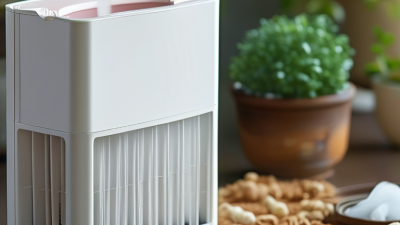
Filters are vital for both cool and warm mist humidifiers. They trap impurities in the water, making the output safer to breathe. If ignored, clogged filters can affect air quality and decrease efficiency. It’s essential to replace or clean them regularly. In some cases, users may find issues with their wick, which absorbs water and helps produce moisture. A worn or damaged wick will hinder performance, so regular checks are necessary.
Many users overlook these parts, focusing solely on the device’s overall design. This often leads to frustration later. Knowledge about these essential parts can improve a humidifier's operation and ensure a healthier home environment. Regular maintenance and awareness of parts can significantly enhance the unit's lifespan. A little attention goes a long way in achieving optimal performance.
Essential Humidifier Parts You Need to Know About
| Part Name |
Type |
Function |
Maintenance Tips |
| Water Tank |
Reservoir |
Holds water for humidification |
Clean regularly to prevent mold |
| Humidistat |
Control System |
Monitors humidity levels |
Calibrate periodically for accuracy |
| Evaporator Pad |
Filtration |
Absorbs water and increases evaporation |
Replace every few months |
| Fan |
Air Movement |
Circulates humidified air |
Check for dust and clean as needed |
| Nozzle |
Dispersion |
Releases moisture into the air |
Ensure it's not clogged |
Importance of Filters in Humidifier Performance and Maintenance
Filters play a crucial role in the performance and maintenance of humidifiers. They trap dust, allergens, and other impurities from water, ensuring clean moisture is released into the air. When filters are clean, they help the humidifier function efficiently, making the air in your space more comfortable. Neglecting them can lead to reduced output and even bacteria growth.
The maintenance of filters is often overlooked. Users may find it tedious to replace them regularly. However, doing so is essential for optimal performance. Clogged or dirty filters can hinder airflow and damage the unit. Setting reminders for filter changes can help keep your humidifier running smoothly.
Improving indoor air quality should be a priority. Filters can significantly enhance this aspect if maintained properly. Users might experience dry skin, allergies, or respiratory issues without clean air. Regularly checking and replacing filters ensures that your humidifier supports a healthier environment. It’s a small effort that can lead to significant benefits.
Understanding the Role of Water Tanks in Humidifier Efficiency
Water tanks play a crucial role in the efficiency of humidifiers. Their primary function is to hold water, which is essential for creating moisture in the air. Larger tanks often provide longer intervals between refills. When considering a humidifier, understanding water tank size can enhance your experience.
However, tank material and design also matter. Plastic tanks are common, but metal options offer durability. A well-designed tank allows for easy cleaning, which is vital to prevent mold growth. Regular maintenance is necessary to ensure optimal performance. Neglecting to clean the tank can lead to health risks, affecting air quality.
Don’t ignore the placement of the humidifier. A poorly positioned unit can lead to uneven moisture distribution. Over time, this can cause damage to your home. Pay attention to humidity levels for a comfortable environment. Striking the right balance is essential for efficiency and health. Consider these factors when evaluating a humidifier’s water tank.
The Significance of Humidistats for Optimal Humidity Control
Understanding the role of humidistats is crucial for effective humidity regulation. Humidistats are devices that measure and control humidity levels. They help maintain optimal moisture, enhancing comfort and health. Studies indicate that maintaining humidity levels between 30% and 50% is ideal for most indoor environments. Deviations from this range can lead to discomfort and health issues.
In a survey conducted by the Environmental Protection Agency (EPA), nearly 85% of households reported problems related to humidity levels. High humidity can promote mold growth, while low humidity can lead to respiratory issues. A reliable humidistat can prevent these issues by adjusting the humidifier’s output based on real-time readings. This balance is vital for indoor air quality.
Many humidistats feature advanced technology. Some even include smart features, allowing users to monitor humidity through their smartphones. However, these technologies are not perfect. Users might experience delays in readings or responses. Regular calibration and testing are necessary to ensure accuracy. Awareness of these limitations can improve user experience and comfort.