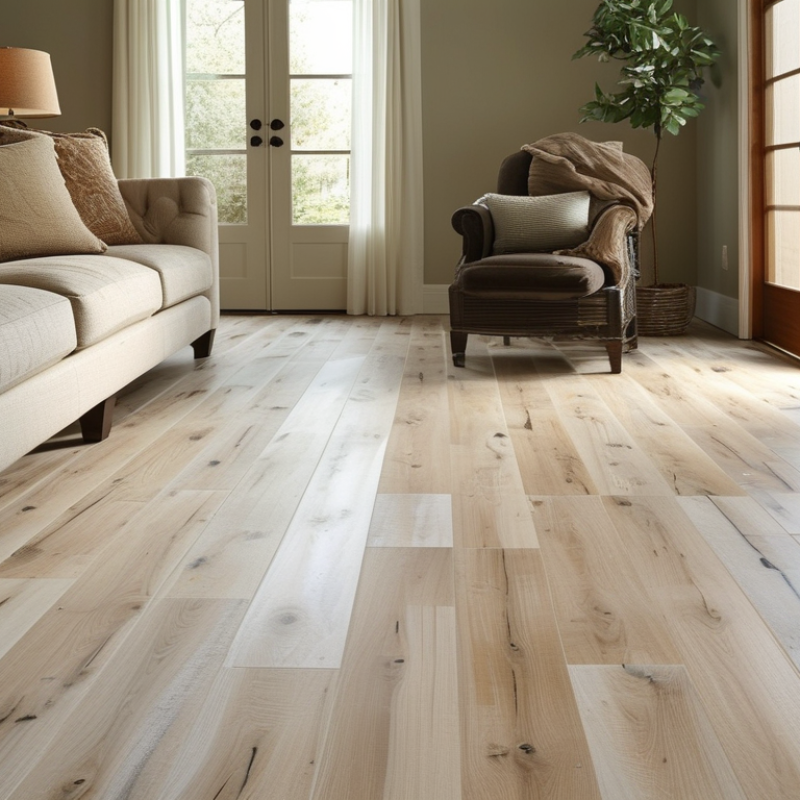
How to Choose the Best PVC Floors for Your Home?
Choosing the best PVC floors for your home can feel overwhelming. With so many options, making a decision is not easy. As flooring expert Sarah Thompson says, “The right PVC floor can transform your space, but choosing poorly can lead to regret.”
Understanding your needs is crucial. Are you looking for durability, aesthetics, or easy maintenance? PVC floors offer versatility but selecting the wrong style or quality can lead to dissatisfaction. For example, consider how a glossy finish might look beautiful but could be slippery, especially in homes with young children or elders.
Take time to research various PVC floor brands and their reviews. Know that not all products are created equal. Some may wear out quickly or fade under sunlight. So, finding a balance between style and practicality is essential. Each choice should reflect your lifestyle while ensuring long-term satisfaction with your PVC floors.
Understanding Different Types of PVC Flooring Available
When choosing PVC flooring, understanding the types available is essential. PVC flooring comes primarily in two forms: luxury vinyl tile (LVT) and sheet vinyl. LVT is known for its durability and diverse design options. In contrast, sheet vinyl offers a seamless appearance and is often more water-resistant. According to the Resilient Floor Covering Institute, the demand for PVC flooring has grown significantly, with LVT expected to represent 41% of the total resilient flooring market by 2025.
Consider the installation process when selecting PVC floors. LVT typically requires more preparation than sheet vinyl, which can be placed directly over most existing floors. Keep in mind that moisture levels in your home can affect the longevity of the flooring. The National Wood Flooring Association indicates that higher moisture areas benefit from sheet vinyl due to its water-resistant nature.
When budgeting, think about longevity and maintenance costs. PVC flooring generally requires less upkeep than hardwood or tiles. However, not all PVC products are created equal. Some may fade or scratch easily. Regular cleaning can extend the life of your flooring. Explore various options before making a decision. A diverse selection may lead to better satisfaction with your choice.
Assessing the Durability and Maintenance Needs of PVC Floors
When choosing PVC flooring, evaluating durability and maintenance is crucial. PVC floors are popular for their resistance to wear and tear. According to a study by the Resilient Floor Covering Institute, high-quality PVC can endure heavy foot traffic while maintaining its aesthetic.
Maintenance needs vary depending on the product. Some PVC floors require simple sweeping and occasional damp mopping. Others may need specialized cleaners to avoid fading. A report from the National Institute of Standards and Technology found that regular maintenance extends the life of PVC flooring by up to 20%. Consider how much time you can dedicate to care.
While PVC is durable, it’s not impervious to damage. Scratches and dents can occur, especially in high-traffic areas. Choosing thicker planks can mitigate this issue. Research indicates that a thickness of 5mm or more offers better protection. Look for products with a strong wear layer for extra durability. Assessing these factors will help you select the best PVC flooring for your home needs.
How to Choose the Best PVC Floors for Your Home? - Assessing the Durability and Maintenance Needs of PVC Floors
| Feature | PVC Floor Type | Durability (Years) | Maintenance Needs | Water Resistance | Cost (per sq. ft.) |
| Luxury Vinyl Plank | Rigid Core | 20-30 | Low | Excellent | $3 - $7 |
| Sheet Vinyl | Flexible | 10-15 | Moderate | Good | $1 - $5 |
| Vinyl Composite Tile | Tile | 15-20 | Low | Moderate | $2 - $6 |
| Rigid Vinyl Plank | Rigid Core | 25-35 | Very Low | Excellent | $4 - $8 |
Evaluating Aesthetic Options: Colors and Patterns in PVC Flooring
Choosing the right color and pattern for your PVC flooring is essential for enhancing the look of your home. The aesthetic appeal of your flooring can significantly influence the overall ambiance. Neutral colors often create a calming environment, while bold patterns add a touch of personality. When selecting shades, consider how they harmonize with your furniture and wall colors. Light colors can make a space feel more expansive, whereas darker tones may add warmth and coziness.
Patterns offer an exciting dimension to PVC flooring. From classic wood looks to trendy geometric designs, the options are vast. While intricate patterns can be captivating, they may overwhelm smaller spaces. Simpler designs are often more adaptable and timeless. It’s crucial to balance your choice with the room's purpose. Reflect on the atmosphere you want to achieve. Experiment with samples to see how they resonate with your daily life.
Importantly, ensure your choice aligns with your lifestyle. High-traffic areas may benefit from more resilient patterns. Yet, opting for a unique design can lead to buyer's remorse in the future. Don’t rush the decision-making process; take the time needed. Evaluating colors and patterns carefully can elevate your home’s aesthetic significantly.
Comparing Costs: Budgeting for PVC Flooring Installation
When budgeting for PVC flooring installation, it's essential to consider various costs. The price of the material is just one component. Installation fees can significantly impact your total spending. Sometimes, hiring a professional can add an extra layer of expense, but it often ensures a better finish. DIY installation might save money, yet it can lead to mistakes if you're inexperienced.
Understanding your project's scope is crucial. Measure your space carefully to avoid overestimating the amount needed. Some people may miscalculate dimensions, resulting in wasted material. Additionally, don't forget to factor in extra expenses like underlayment or adhesive, if required. These items will contribute to the overall budget.
Also, consider the long-term value. Cheaper options may not stand the test of time. They could lead to quicker replacements or repairs down the line, ultimately costing more. Analyzing your lifestyle can help. If you have pets or children, investing in higher-quality PVC might be worthwhile. Moreover, watch out for hidden costs that might arise during installation, like flooring prep or removal of old materials. Always make sure to have a flexible budget. Adjusting to unexpected expenses can alleviate financial stress.
Comparing Costs: Budgeting for PVC Flooring Installation
Considering Environmental Impact and Sustainability of PVC Products
When choosing PVC flooring, it's crucial to consider its environmental impact. PVC, or polyvinyl chloride, can contribute to pollution during production. A report by the Green Science Policy Institute highlights that the manufacturing of PVC releases harmful chemicals, such as dioxins. These substances pose risks to both health and the environment.
Moreover, research indicates that PVC flooring can be challenging to recycle. According to the U.S. Green Building Council, only a fraction of PVC products are recycled effectively. This raises concerns about their lifecycle. While PVC flooring is cost-effective and durable, the sustainability aspect is not straightforward.
It’s important to reflect critically on the choices we make regarding flooring. While PVC offers benefits like water resistance and ease of maintenance, the long-term environmental consequences are significant. Homeowners need to look for alternatives, such as responsibly sourced materials or products with recycled content. Making informed choices can lead to better outcomes for our living spaces and the planet.