How to Choose the Best High Lumen Flashlight for Your Needs?
In today's world, choosing the right High Lumen Flashlight is essential for various applications. With the flashlight market projected to reach $3.35 billion by 2026 (according to a report by Research and Markets), the demand for powerful and reliable light sources is clear. High lumen output not only ensures visibility in dark conditions but also enhances safety and convenience.
When selecting a High Lumen Flashlight, consider its brightness, battery life, and durability. Flashlights often range from 100 to over 3,000 lumens. For instance, a flashlight with 1,000 lumens can illuminate a large area, ideal for camping or emergencies. However, a higher lumen doesn't always mean better performance; the beam pattern and focus are equally important.
Some users find themselves overwhelmed by options. It's easy to fall into the trap of choosing flashy features rather than matching a flashlight to specific needs. Conducting thorough research based on credible sources can lead to a more satisfying choice, ensuring the flashlight meets your expectations and usage requirements. Understanding these factors is crucial for making a wise investment.
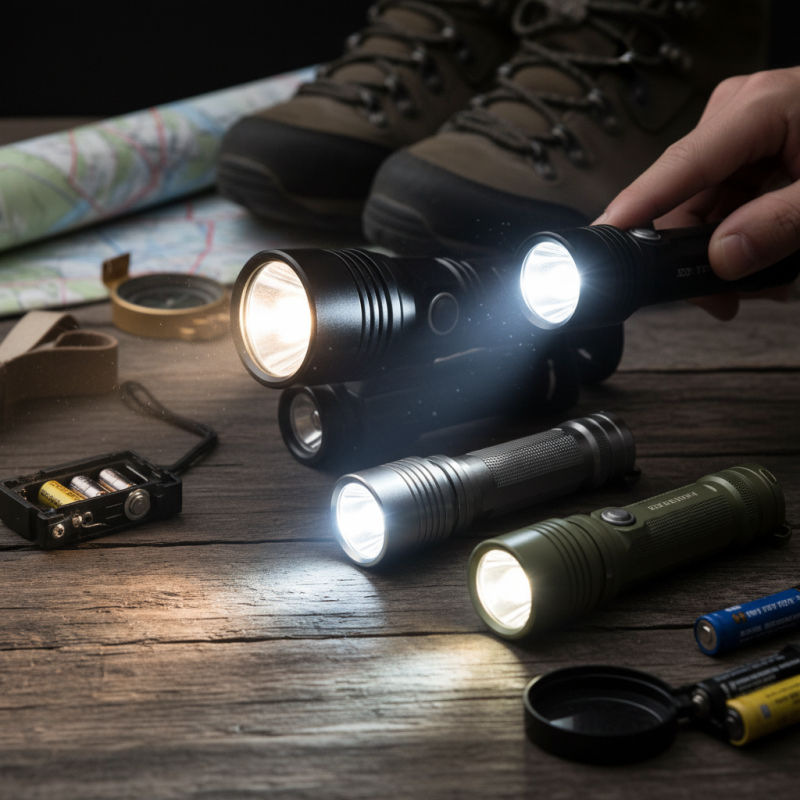
Understanding High Lumen Flashlights: What Lumen Ratings Mean
When choosing a high lumen flashlight, understanding lumen ratings is crucial. Luminous flux measures the total light emitted. Higher lumen numbers indicate brighter light. For instance, a flashlight with 1000 lumens can illuminate a large area. This brightness is useful for outdoor adventures or emergency situations.
However, not every high lumen flashlight suits your needs. Some may find 500 lumens adequate for home use. It's essential to assess your specific requirements. Consider the beam distance and spread. A flashlight with 2000 lumens could overwhelm in small spaces. Additionally, battery life is an important factor. High output can drain batteries quickly, limiting usage time.
Pay attention to features like durability and weight. Some may prioritize compact size for portability. Others may need robust construction for harsh conditions. Reflect on your usage scenarios. Think about where and when you'll use the flashlight most. Balancing brightness, usability, and performance enhances your overall experience without compromising reliability.
Types of High Lumen Flashlights and Their Specific Uses
When selecting a high lumen flashlight, understanding the different types and their uses is key. There are various designs available. Some are compact and easy to carry, perfect for everyday tasks or emergencies. Others are larger, designed for specific applications like search and rescue or outdoor adventures. The needs can vary greatly depending on your activities.
The purpose shapes the style. For instance, tactical flashlights often feature strobe settings for self-defense. They emit bright beams in critical situations. On the other hand, camping lights provide softer illumination for wider areas and long battery life. Durability is another factor. Heavy-duty flashlights are resistant to water and shock, ensuring reliability in harsh conditions.
Every user has their preferences. Some prioritize brightness, while others value battery longevity. Consider how you will use the flashlight. Will it be often carried? Or left in a toolbox? Reflecting on these aspects can enhance your decision-making. A thoughtful approach prevents regrets later. The right flashlight can make all the difference, whether for safety, work, or leisure.
High Lumen Flashlight Comparison Based on Brightness (Lumens) and Battery Life (Hours)
Key Features to Consider When Selecting a Flashlight
Choosing the right high lumen flashlight involves understanding key features that suit your specific needs. Brightness is paramount. Look for lumens that fit your activities. For outdoor adventures, a flashlight with over 1000 lumens may be necessary. For home use, 500–800 lumens might suffice.
Durability is another essential factor. Consider materials like aluminum or high-grade plastic. A flashlight should withstand drops and be water-resistant. Check the IP rating; a rating of IPX4 or higher ensures it can handle rain or splashes. Battery life matters too. Rechargeable batteries offer convenience but check the runtime against your needs.
Lastly, weight and size can impact usability. A compact model may be handy for everyday carry. But, ensure it doesn’t compromise on brightness. Reflecting on these features allows you to identify what truly matters for your flashlight’s intended use. It’s not just about brightness—it’s about practicality, reliability, and how it fits your lifestyle.
Evaluating Battery Life and Power Sources for Longevity
When choosing a high lumen flashlight, battery life is crucial. Different power sources significantly affect performance. Some flashlights use disposable batteries, while others may have rechargeable options. Disposable batteries provide convenience but often lack longevity. On the other hand, rechargeable batteries can save money over time and are environmentally friendly.
It’s also essential to consider the capacity of the battery. Flashlights with higher lumen ratings tend to drain power quickly. For instance, a flashlight may offer 1000 lumens but only last a couple of hours on a single charge. Users should assess their needs. An occasional user might settle for a shorter battery life, while outdoor enthusiasts will prioritize longer usage.
Evaluating the flashlight's runtime is equally important. Some models boast impressive lumen output, but runtime may falter during heavy use. Users should look for models that maintain high lumen brightness over extended periods. It's worth reflecting on your usage scenarios. If you often find yourself in prolonged situations without access to power, a flashlight with longer battery life is indispensable.
Comparing Brands and Models: Finding the Right Fit for You
When selecting a high lumen flashlight, understanding the brands and models on the market is essential. The flashlight industry has seen significant advancements. According to a recent report by the American National Standards Institute (ANSI), many models now exceed 1000 lumens, catering to various needs. Yet, lumens alone do not determine quality. Beam distance, battery life, and durability also matter.
Consider your specific requirements. For example, outdoor enthusiasts often need long-lasting batteries and robust build quality. A flashlight with a sturdy aluminum casing can withstand harsh weather. In contrast, those needing a compact option might prioritize lightweight models. A study by Consumer Reports indicates that the average consumer often overlooks these features in favor of brightness.
While many brands boast high lumen ratings, not all fulfill promises regarding longevity and reliability. Looking at user reviews can provide insight into real-world performance. Some flashlights may shine brightly but fail under pressure. The best choice balances brightness with practical usability, ensuring you get the most from your investment. Aim for a model that aligns with your lifestyle and activities, striking a balance between features and your budget.
How to Choose the Best High Lumen Flashlight for Your Needs? | Feature | High-end Model | Mid-range Model | Budget Model |
| Lumen Output | 1200 | 800 | 400 |
| Battery Type | Rechargeable Lithium-ion | AA Batteries | AAA Batteries |
| Beam Distance (meters) | 300 | 200 | 100 |
| Runtime (hours) | 10 | 6 | 3 |
| Weight (grams) | 300 | 200 | 150 |
| Water Resistance | IPX8 | IPX7 | IPX6 |