2025 How to Choose the Best Full House Humidifier for Your Home
In the quest for optimal indoor air quality, the role of a full house humidifier cannot be overstated. Research has shown that maintaining indoor humidity levels between 30% and 50% can significantly enhance comfort, reduce respiratory issues, and even prolong the lifespan of furnishings and electronics. According to the American Society of Heating, Refrigerating and Air-Conditioning Engineers (ASHRAE), appropriate humidity levels can help mitigate the growth of mold and allergens, creating a healthier living environment for occupants.
As households face challenges from dry air, especially during the winter months, the demand for efficient humidification solutions continues to rise. A report from the Environmental Protection Agency (EPA) indicates that improper humidity levels can lead to health problems, including asthma and allergies, impacting millions of people worldwide. Hence, selecting the right full house humidifier becomes paramount not only for comfort but also for overall health and wellness. With various types of humidifiers available in the market, understanding their functionalities and benefits is essential for homeowners seeking to improve their air quality effectively.
Understanding the Benefits of a Whole House Humidifier
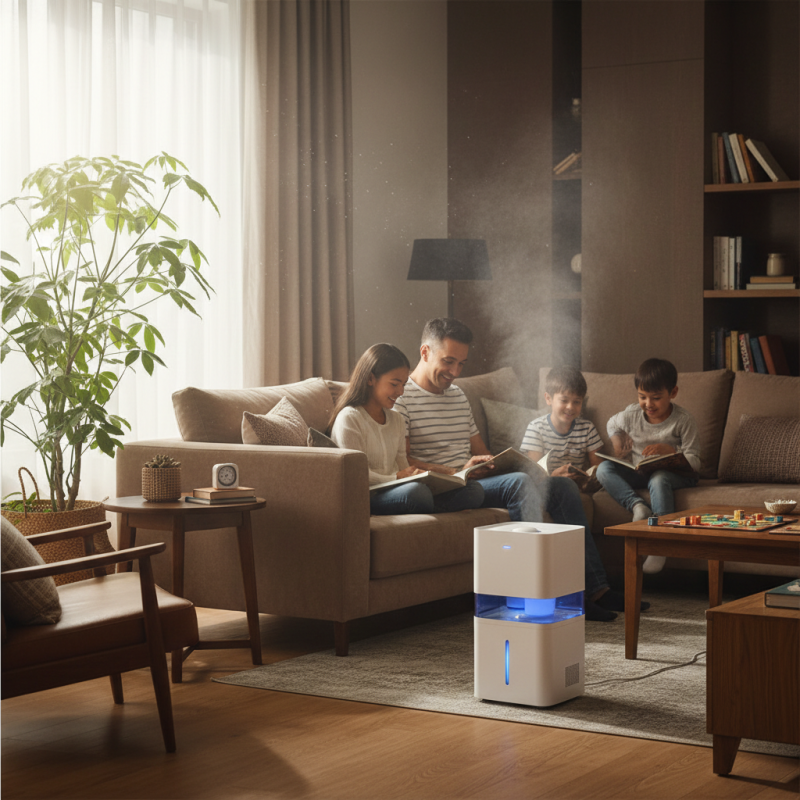
A whole house humidifier can significantly enhance the comfort of your home, especially during dry seasons. By maintaining optimal humidity levels, these systems can alleviate common issues such as dry skin, respiratory problems, and static electricity. The benefits of having a whole house humidifier extend beyond comfort; they also contribute to the overall health of your living environment. By adding moisture to the air, you can preserve wooden furniture, reduce allergens, and create a more pleasant atmosphere for all inhabitants.
When choosing the best humidifier for your home, consider the size and layout of your space. It's crucial to select a unit capable of adequately servicing your entire home. Additionally, think about the type of humidification system that would work best for your needs—whether direct connection to your existing HVAC system or a standalone option.
Tips: Regularly monitor humidity levels using a hygrometer to ensure they stay within the optimal range of 30-50 percent. Another tip is to perform routine maintenance on your humidifier, including changing filters and cleaning the unit, to ensure it operates efficiently and effectively. This can help extend the life of your investment and maintain a healthy home environment.
Key Factors to Consider When Choosing a Humidifier
When selecting the best full house humidifier for your home, it’s essential to consider several key factors that can impact both your comfort and health. One of the primary considerations is the size of the unit relative to your home’s square footage. According to a report from the American Society of Heating, Refrigerating and Air-Conditioning Engineers (ASHRAE), humidifiers should be chosen based on the humidity output in relation to the volume of air in your home. A unit that is too small may lead to insufficient humidity levels, while an oversized unit could lead to excessive moisture, potentially causing mold growth and other issues.
Another crucial aspect is the type of humidifier technology. There are several options available, including evaporative, ultrasonic, and steam vaporizers. According to the Environmental Protection Agency (EPA), evaporative humidifiers are particularly effective for larger spaces as they use a fan to circulate moisture and can adapt to the home’s conditions. Additionally, maintenance requirements are vital to consider; regular cleaning is necessary to prevent the growth of mold and bacteria, with the Center for Disease Control (CDC) recommending that humidifiers be cleaned at least once a week. By evaluating the size, type, and maintenance needs, homeowners can ensure they select a humidifier that optimally enhances indoor air quality.
Types of Whole House Humidifiers and Their Features
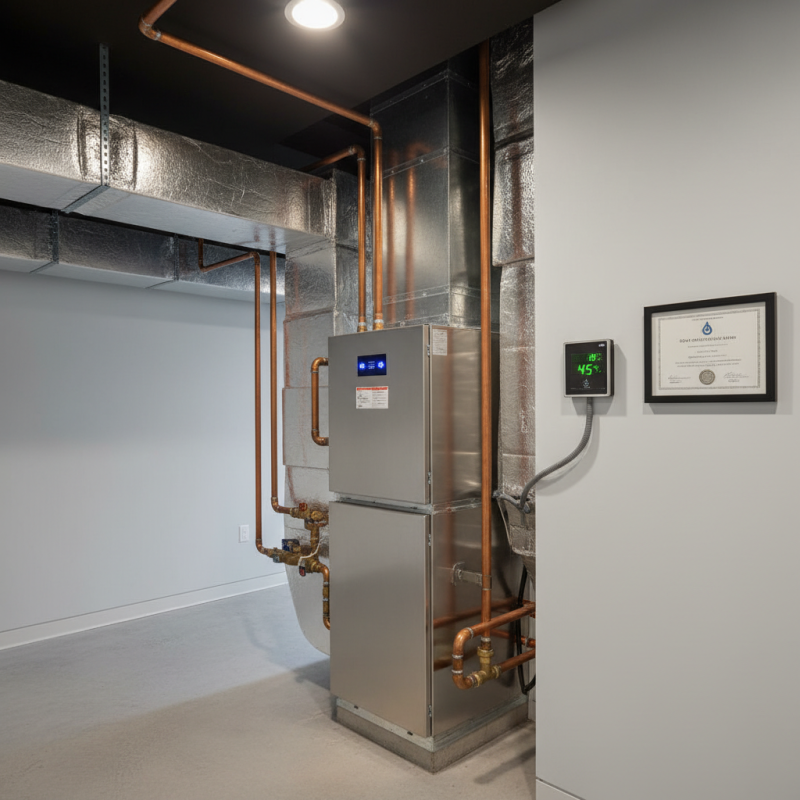
When selecting a whole house humidifier, it’s essential to understand the different types available and their unique features. Whole house humidifiers are generally categorized into four types: bypass, fan-powered, steam, and portable. Bypass humidifiers use your home's existing HVAC system, drawing warm air from the furnace to moisten it before distributing it throughout the house. They are energy-efficient and maintenance-friendly, making them suitable for many homeowners.
Fan-powered humidifiers, on the other hand, incorporate a fan to increase the volume of moisture released into the air, allowing for more controlled humidity levels. They can operate independently of the HVAC system, providing flexibility in installation. Steam humidifiers are the most effective but often incur higher energy costs due to their heating elements, making them ideal for larger spaces requiring precise humidity management. According to a report by the American Society of Heating, Refrigerating and Air-Conditioning Engineers (ASHRAE), maintaining indoor humidity levels between 30-50% enhances comfort and reduces health risks associated with dryness.
Portable humidifiers, while not considered whole-house options, can be useful for targeted areas within a home, offering a cost-effective solution for specific rooms. It's vital to choose a humidifier that fits the size and layout of your home, as research indicates that improper humidity can lead to issues such as respiratory discomfort or structural damage. Select a system with features like built-in hygrometers for optimal monitoring and control to ensure a healthy and comfortable living environment.
Installation and Maintenance Tips for Optimal Performance
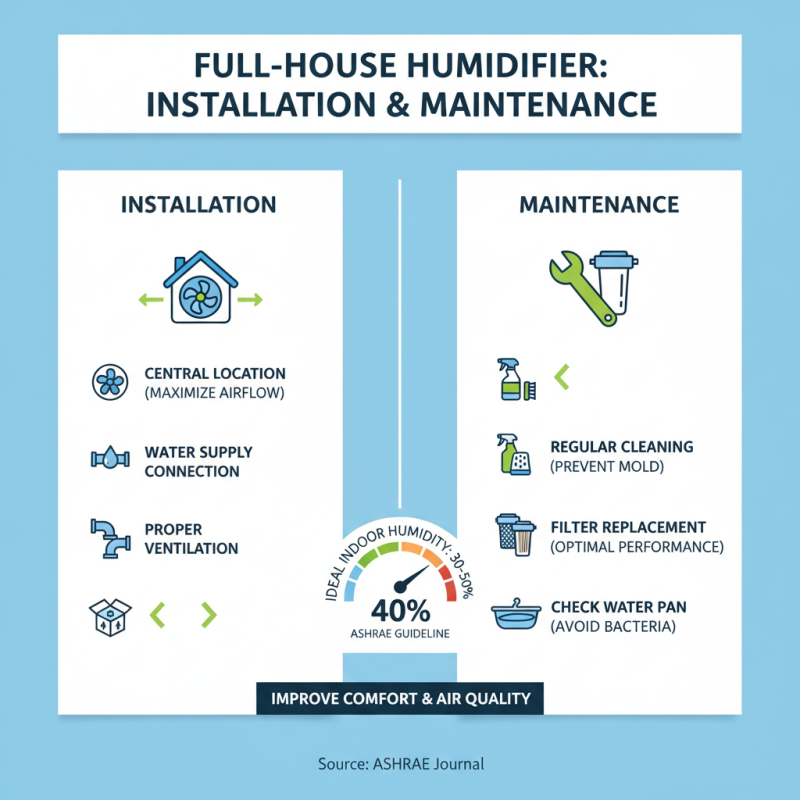
When selecting a full house humidifier, understanding installation and maintenance is crucial for ensuring optimal performance. According to the American Society of Heating, Refrigerating, and Air-Conditioning Engineers (ASHRAE), maintaining indoor humidity levels between 30% and 50% can significantly improve comfort and indoor air quality. Proper installation of a humidifier entails placing it in a central location where airflow is maximized. Additionally, ensuring that the humidifier is connected to a water supply and is properly vented can enhance its efficiency.
Regular maintenance is equally important to sustain optimal performance. The Environmental Protection Agency (EPA) suggests inspecting and cleaning the humidifier at least once a month. This includes changing filters, if applicable, and removing mineral buildup, which can lead to decreased efficiency and potential health risks from mold growth. By adhering to a maintenance schedule, homeowners can prevent issues such as over-humidification, which might cause damage to wood furniture and structural components. Establishing good practices around installation and maintenance can ensure that a full house humidifier operates effectively, ultimately contributing to a healthier living environment.
Comparing Top Brands and Models for 2025
When selecting the best full house humidifier for your home in 2025, it's essential to evaluate various brands and models based on efficiency, capacity, and features. High-capacity models are designed to maintain optimal humidity levels throughout larger spaces, ensuring comfort and preventing issues like dry skin or respiratory problems. Look for humidifiers with adjustable settings, allowing you to customize the moisture output according to the changing seasons and personal preferences.
In addition to capacity, consider the technology each model employs. Some humidifiers utilize evaporative methods, relying on wicks to absorb water, while others may use ultrasonic technology to produce a fine mist. Both options have their advantages, such as energy efficiency and quiet operation, but they may also exhibit differences in maintenance needs. It’s also advisable to check the product’s water tank capacity and filter requirements to find a model that fits within your lifestyle and maintenance schedule.