How to Choose Sliding Glass Windows for Your Home?
Choosing the right Sliding Glass Windows for your home can significantly impact both aesthetics and functionality. These windows offer a sleek design and enhanced natural light. However, their selection process requires careful consideration of various factors.
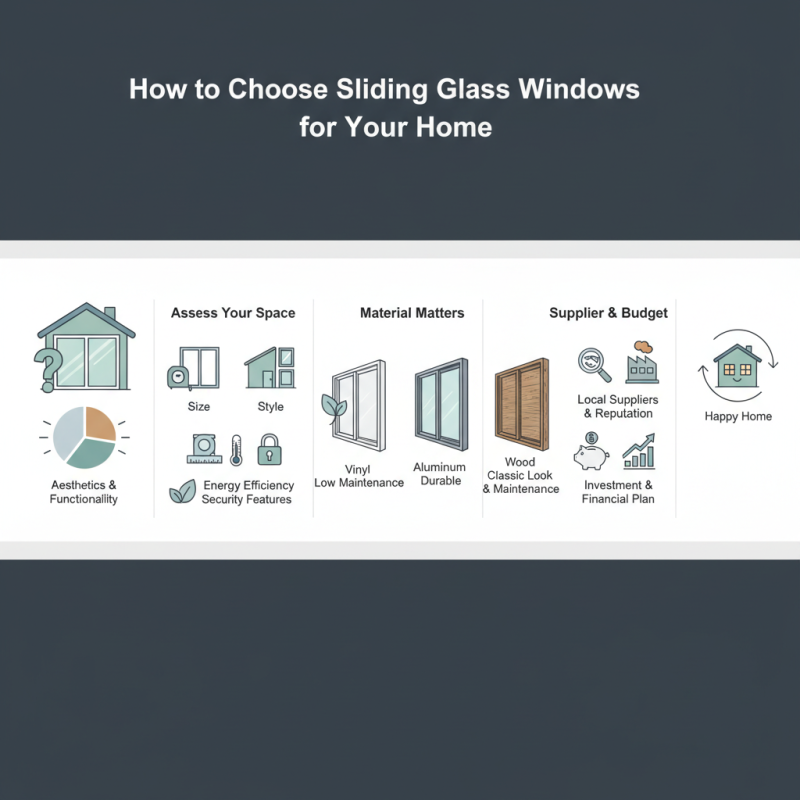
First, assess your space and determine the size and style that complements your home. Sliding glass windows come in various designs. Each option provides different energy efficiency ratings, which influence long-term savings. Think about security features as well. Many homeowners overlook this aspect, which can lead to issues later on.
Consider the material used for the frame. Vinyl, aluminum, and wood all offer unique benefits. Each material requires different levels of maintenance, which can affect your lifestyle. Research local suppliers to find reputable brands. Their experience and expertise can guide you toward a reliable choice. Lastly, reflect on your budget. High-quality sliding glass windows can be an investment, but they should fit your financial plan.
Factors to Consider When Selecting Sliding Glass Windows
When selecting sliding glass windows for your home, several important factors require careful consideration. The size of your space can greatly influence the choice of windows. Measure the area to ensure a suitable fit. Oversized windows may overwhelm a small room, while tiny windows can limit natural light. Balance is key here; a harmonious design enhances the overall aesthetic.
Another significant aspect is energy efficiency. Look for windows with good insulation properties. Double-glazing can keep your home warmer in winter and cooler in summer. Check the energy ratings before making your purchase. Remember, energy-efficient windows might cost more upfront but can save money in the long run.
Don't overlook the material. Options like vinyl, wood, and aluminum each have their pros and cons. Consider local weather conditions. For example, wooden frames may require more maintenance in humid areas. Reflect on your lifestyle too. If you prefer low upkeep, vinyl may suit you better. It's essential to weigh these factors against your specific needs.
Types of Sliding Glass Windows Available for Home Use
When choosing sliding glass windows, it’s vital to understand the types available. There are three main categories: standard sliding windows, multi-slide windows, and pocket sliding windows. Each type serves different aesthetics and functionalities.
Standard sliding windows are common and easy to operate. They typically consist of two or more panels. The design allows one panel to slide over the other. Multi-slide windows, on the other hand, are ideal for larger openings. They can accommodate several panels that slide open, creating a seamless transition between indoors and outdoors. This type has gained popularity for its contemporary look and flexibility. According to the American Architectural Manufacturers Association, multi-slide windows can increase a home’s value by up to 10%.
Pocket sliding windows offer a unique benefit. They slide into the wall, providing an unobstructed view when fully opened. This design is excellent for maximizing space. However, installation can be complex and might lead to unexpected costs. Some homeowners overlook this factor, underestimating the challenge of upkeep and repair. Choosing the right type of sliding glass window ultimately depends on your home’s layout and personal preference. Being informed can save time and money.
Types of Sliding Glass Windows Available for Home Use
Energy Efficiency Ratings and Their Importance
When choosing sliding glass windows, energy efficiency should be a key consideration. The National Fenestration Rating Council (NFRC) provides ratings that help homeowners gauge a window's efficiency. This rating includes factors like U-factor, Solar Heat Gain Coefficient (SHGC), and Visible Transmittance (VT). Each of these metrics plays a critical role in how windows interact with your home’s environment.
The U-factor measures how well a window insulates. A lower U-factor indicates better insulation performance. Energy Star recommends a U-factor of 0.30 or lower for most climates. The SHGC describes how much solar heat enters through the windows. In warmer climates, a lower SHGC can reduce cooling costs significantly. Home reports indicate that proper window selection can influence energy bills by 10-25% annually.
While energy efficiency is crucial, homeowners must also consider other factors. Installation quality is vital. Poor installation can negate energy efficiency. Always consult professionals for advice tailored to local climates. Their experience can bridge the gap between ideal ratings and real-world performance. Make informed choices rather than relying solely on ratings.
Aesthetic Considerations for Sliding Glass Windows
When considering sliding glass windows for your home, aesthetics play a crucial role. Think about how they complement your architecture. Large panes can create a modern feel, while divided lights can add a traditional charm. You'll want to balance beauty with functionality. Pay attention to the frame material — aluminum offers a sleek look, while wood provides warmth.
Lighting is essential. Consider how natural light will fill your space. A south-facing window can brighten up your room, but be mindful of glare. Reflective glass can also enhance your home’s exterior, adding character while keeping energy efficiency in check. The color of the frame should align with your home’s palette; a contrasting color can draw attention, but it may require more maintenance.
Don't overlook privacy concerns. While large windows can connect you to nature, they might compromise your comfort. Using sheer curtains or decorative films can be a solution. Consider the landscape outside your window. An unattractive view can diminish the beauty of the windows. Think about the long-term impact of your choices on your home’s appeal.
Installation and Maintenance Tips for Longevity
When installing sliding glass windows, understanding maintenance is crucial for longevity. Regular cleaning is essential to prevent grime buildup. Experts suggest using a mild detergent and a soft cloth for cleaning the glass. This practice not only enhances visibility but also prolongs the life of the window seal. According to recent industry reports, over 60% of window failures are due to neglect in maintenance.
Inspecting the tracks and rollers is vital. Debris accumulation can hinder the operation of sliding windows. Glide issues can often stem from neglecting these components. Cleaning the tracks monthly can help. A survey indicated that homeowners who performed regular checks experienced fewer operational issues. It’s also advisable to lubricate the components annually with silicone spray, ensuring smooth movement.
Temperature fluctuations can impact window frames. In regions with harsh climates, thermal expansion may cause seal failure. Homeowners should consider this risk. Using insulated frames can mitigate these effects. Reports show that well-insulated frames can improve energy efficiency by up to 30%. Regular maintenance and mindful choices can significantly enhance the lifespan of sliding glass windows.