How to Choose the Right Solar Panel Connectors for Your Needs?
Choosing the right Solar Panel Connectors is crucial for the efficiency and longevity of solar energy systems. In recent years, the solar market has expanded rapidly, with installation numbers skyrocketing by over 20% annually. This growth highlights the need for reliable components, including connectors that can withstand harsh environmental conditions. According to the Solar Energy Industries Association, poor connector choices can lead to significant energy losses.
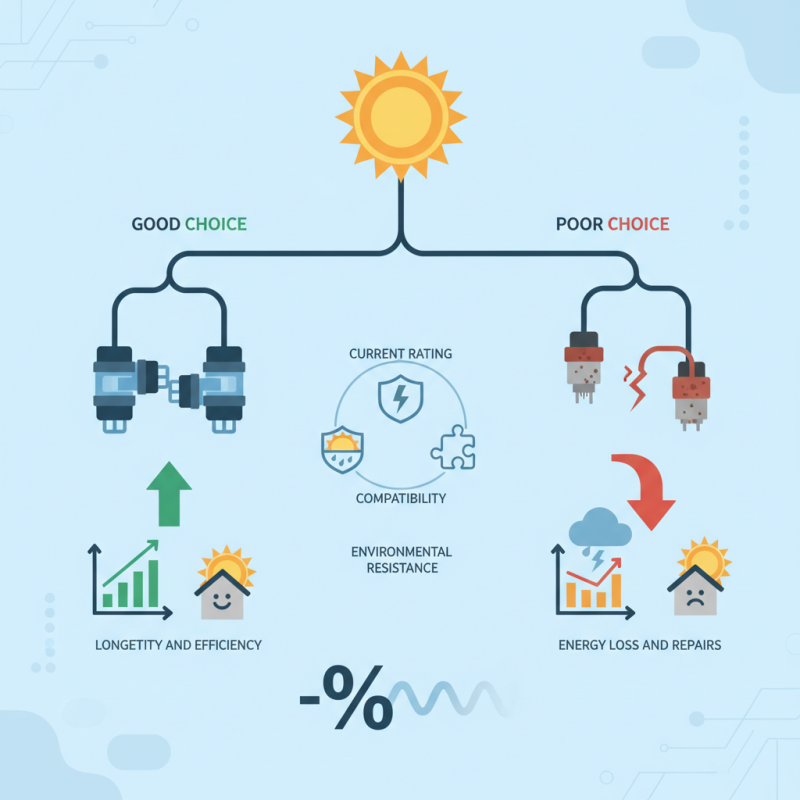
Solar panel connectors are not merely functional; they play a vital role in ensuring safety and performance. When selecting these components, one must consider factors like current rating, environmental resistance, and compatibility with other system elements. However, many users overlook these details, which can result in costly repairs or replacements.
Moreover, connector failures can decrease the overall efficiency of solar systems by up to 10%. Therefore, making informed choices is essential. Understanding the various types of solar panel connectors and their specifications can help users avoid common pitfalls. Invest time in research to ensure optimal performance and durability of your solar energy system.
Understanding the Different Types of Solar Panel Connectors
When selecting solar panel connectors, understanding their types is critical. There are two main types: MC4 connectors and Tyco connectors. MC4 connectors are widely used due to their simple design and reliable performance. They ensure stable connections even in harsh conditions. On the other hand, Tyco connectors offer versatility but may require additional components for installation.
Each type has its specific advantages and challenges. MC4 connectors are straightforward, making them ideal for beginners. However, they may not be as flexible for unique setups. Tyco connectors can be ideal for custom configurations but could complicate installations if the right components aren’t available. Reflect on your installation goals to decide which connector aligns with your setup best.
The environment where the panels will be installed plays a significant role. Exposure to moisture or dust can affect connectors' performance over time. It's vital to evaluate your local climate before making a decision. Sometimes, connectors can become loose or corroded, leading to energy loss. Regular maintenance is crucial for optimal functioning. Take time to assess your needs carefully and choose wisely.
Key Factors to Consider When Choosing Solar Panel Connectors
When selecting solar panel connectors, multiple factors play a crucial role. First, understanding the electrical requirements of your solar system is essential. According to the Solar Energy Industries Association (SEIA), connectors must handle the voltage and current specific to your panels. This ensures safe and efficient energy transfer, minimizing the risk of overheating and energy loss.
Another factor to consider is the environmental conditions where your solar installation will reside. Connectors must withstand exposure to UV light, extreme temperatures, and moisture. Research from the National Renewable Energy Laboratory indicates that connectors rated for higher temperatures improve durability and performance. Selecting connectors with appropriate ratings helps prevent corrosion and wear over time.
Finally, always evaluate the ease of installation. Some connectors are designed for tool-less assembly, streamlining the installation process. This feature can save time and reduce errors. Yet, users sometimes overlook the importance of proper sealing and locking mechanisms to prevent water ingress. Addressing these aspects can enhance the reliability of your solar setup. Choosing the right connectors requires careful consideration of these factors for optimal performance.
Choosing the Right Solar Panel Connectors: Key Factors
Comparing Performance and Durability of Connector Options
When selecting solar panel connectors, performance and durability are critical factors. For instance, connectors must withstand various environmental conditions. Research indicates that connectors typically face UV exposure, extreme temperatures, and moisture. According to a study by the National Renewable Energy Laboratory, subpar connectors can reduce system performance by up to 15%. Emphasizing quality in this component may yield longer-term gains.
Durability often hinges on materials used. PV connectors made from high-grade thermoplastics can last significantly longer than cheaper alternatives. Many users report failures due to low-quality materials. Additionally, connectors with higher IP ratings offer better protection against dust and water. A report from the Solar Energy Industries Association states that an IP67 rating is ideal for most applications. This rating can greatly enhance connection longevity.
Installation practices also contribute to a connector's lifespan. Improper handling can introduce micro-cracks or corrosion. A recent survey found that nearly 30% of installation issues stem from incorrect connector use. Users should prioritize training and proper techniques to minimize mistakes. Logically, investing in quality connectors becomes essential, as poor choices can lead to costly repairs or early replacements.
Installation Tips for Optimal Functionality of Solar Panel Connectors
When installing solar panel connectors, it’s crucial to focus on proper techniques. Ensuring tight connections prevents energy loss. Loose connectors can lead to overheating and even system failure. Double-checking all connections during installation can save time and money later.
Selecting the right materials is vital too. Use weather-resistant connectors to withstand harsh conditions. Proper insulation prevents water ingress, which can cause corrosion. Always follow installation guidelines that emphasize safety and durability. Skipping steps may seem harmless now, but future problems can arise.
Don’t underestimate the value of regular maintenance. Periodically inspect connectors for wear or damage. This practice can catch issues early, ensuring long-term performance. Installing a monitoring system can alert you to connection problems. Stay proactive to maintain the efficiency of your solar setup.
How to Choose the Right Solar Panel Connectors for Your Needs?
| Connector Type | Current Rating (A) | Voltage Rating (V) | Suitability | Installation Tips |
| MC4 | 30 | 1000 | Most Common | Ensure tight connection to prevent water ingress. |
| Tyco | 20 | 600 | DC Applications | Check compatibility with solar panels before installation. |
| H4 | 25 | 1500 | High Voltage Systems | Use specialized tools for securing connections. |
| SMA | 15 | 600 | Compact Designs | Keep connectors clean and dry for better performance. |
Maintaining Your Solar Panel Connectors for Longevity and Efficiency
Solar panel connectors play a crucial role in ensuring the efficiency and longevity of your solar power system. Regular maintenance can significantly enhance the performance and lifespan of these connectors. According to a report by the National Renewable Energy Laboratory, improper connections can reduce an installation’s efficiency by up to 30%. Therefore, understanding how to care for your solar panel connectors is essential.
One key maintenance tip is to regularly inspect the connectors for any signs of wear or corrosion. Moisture and dirt can accumulate, leading to poor connections. Clean the connectors gently using a soft cloth or brush. It's important to avoid using abrasive materials which can cause damage. If any corrosion is detected, it may be necessary to replace the affected connectors.
Another vital aspect is to ensure that connectors are securely fastened. Loose connections can create heat, risking failure. You might also consider using protective covers during harsh weather, as extreme temperatures can affect performance. Paying attention to these details is crucial for achieving optimal efficiency in your solar system. Regular maintenance can help you avoid costly repairs and ensure you receive the maximum benefits from your solar investment.