Skip to content

How to Choose Precision Pellet Rigs in 2026?

Choosing Precision Pellet Rigs in 2026 is less about buying the newest setup and more about matching each component to your venue, target species, and fishing method. A rig that works beside a shallow reed bed may feel clumsy in deeper water or a fast-flowing channel. Pellet size, hook pattern, line strength, and presentation all matter. Small details matter.

Angling consultant Steve Ringer offers a useful principle: “A rig should present the bait naturally and reliably, not simply look complicated.” Treat that as a practical guide, not a substitute for checking current product specifications or testing your setup. Before you buy, consider how quickly the rig can be adjusted, whether its materials suit your conditions, and how clearly you can detect a bite. A neat arrangement is not automatically a dependable one.

This guide looks at the choices that deserve attention in 2026, from hook length and float sensitivity to durability and ease of use. It also considers the trade-offs that product descriptions can gloss over: finer components may improve presentation, yet demand careful handling. Check the details. Then test your rig in the water you actually fish. One honest limitation remains: no single setup performs perfectly everywhere, and your own observations may challenge even sound general advice.
How to Choose Precision Pellet Rigs in 2026?

Define the Purpose and Components of a Precision Pellet Rig

A precision pellet rig is a setup designed to present a small pellet consistently, with minimal tangles and clear bite detection. Define the purpose before choosing parts: are you fishing close to the bank, casting farther, or presenting bait in moving water? Each situation changes the required line strength, hook size, and weight. Purpose comes first.

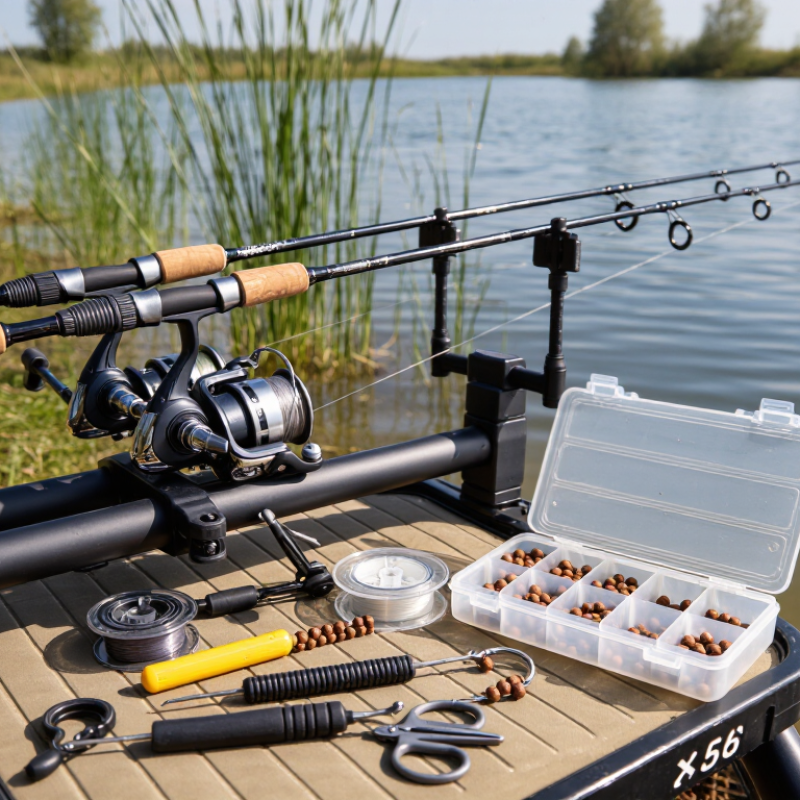
The main components are the main line, hooklength, hook, pellet attachment, and a suitable float or feeder. A small band or bait stop can hold the pellet securely without covering the hook point. Match the hook to the pellet’s size and the fish you expect; an oversized hook can make a neat presentation look clumsy. For example, check that a 6-millimetre pellet sits straight and does not twist the hooklength when lowered into the water.

Precision is mostly about balance, not adding more tackle. Choose line that handles the likely fish and local conditions, while remaining fine enough for a natural presentation. Check knots, inspect the hook point, and pull the rig gently before casting. Small details matter. Still, exact measurements are not universal: water clarity, depth, and pellet softness can change what works. Record what you adjust, then test one change at a time.

Identify Target Species and Fishing Conditions

Choose the rig around the species you expect, not just the pellets in your tackle box. Carp often take larger pellets, so a hair rig can keep the bait clear of the hook point. For smaller fish, use a lighter hook and a compact pellet; oversized tackle may reduce delicate bites. Match hook strength and line to the fish and likely snags. A rig that feels precise on the bank can behave differently underwater.

Water conditions matter just as much. In still, clear water, a short, unobtrusive hooklink and restrained baiting can look more natural. In coloured water or a gentle flow, a slightly heavier setup may help keep the bait settled. Pellet size and texture affect how quickly bait softens, so test it in a bucket before fishing. It is an easy step to skip. I have found that pellets can break down sooner than expected, especially in warm water. Watch how they sink, then adjust the rig length or weight to suit the depth and flow.

Match Rod, Reel, Line, and Pellet Size

How to Choose Precision Pellet Rigs in 2026?
Match Rod, Reel, Line, and Pellet Size

Start with the total casting weight, including the feeder or float and damp pellets. Choose a rod rated for that load, with a forgiving tip to show cautious bites. A balanced reel should retrieve smoothly and hold enough line for your usual swim. Bigger gear is not automatically more precise.

Tips: Match hookbait size to the hook. Use a line that suits the venue, casting distance, and likely fish size. Check that knots pass cleanly through the guides. Small details matter.

Pellet size affects both presentation and feeding rhythm. Small pellets soften quickly and can create a fine, steady feed; larger ones usually break down more slowly. Keep the hookbait close in size to the loose feed, but test how quickly both soften in water. It is easy to overcomplicate this. There is no perfect combination for every session, and pellet labels do not always predict breakdown time. Adjust one part at a time, then note what changed.

How to Choose Precision Pellet Rigs in 2026? - Match Rod, Reel, Line, and Pellet Size

Fishing situation Rod match Reel match Main line Hooklength Hook pellet size Rig and setup notes
Carp close to the bank or in margins 9–10 ft, medium-power float or pellet rod 2500–3000 size, smooth clutch 6–8 lb (2.7–3.6 kg); roughly 0.20–0.23 mm 4–6 lb (1.8–2.7 kg) 6–8 mm soft or bandable pellet Use a short, controlled float rig or light feeder setup. Choose a strong, barbless hook suited to the bait and fishery rules.
Carp at medium range on a stillwater 10–12 ft, medium-power feeder or pellet-waggler rod 3000–4000 size, with a reliable drag 6–8 lb (2.7–3.6 kg); use the stronger end near snags 5–7 lb (2.3–3.2 kg) 6–8 mm; try 8 mm when larger fish are feeding confidently Balance the feeder or float casting weight to the rod. Feed small amounts accurately and increase feed only when bites are consistent.
F1s and smaller carp in shallow water 9–10 ft, light-to-medium float rod 2000–2500 size, smooth and finely adjustable clutch 4–6 lb (1.8–2.7 kg); roughly 0.16–0.20 mm 3–5 lb (1.4–2.3 kg) 4–6 mm A light waggler or short float rig helps present a small pellet accurately. Use lighter tackle only where cover and fish size allow.
Skimmers and smaller silver fish 10–12 ft, light match or feeder rod 2000–3000 size 3–5 lb (1.4–2.3 kg); roughly 0.14–0.18 mm 2–4 lb (0.9–1.8 kg) 2–4 mm soft pellet, or a small 4 mm hook pellet Use a light float or small feeder and a fine-wire hook. Keep feed portions modest to avoid overfeeding small fish.
Carp or F1s in shallow water using a method feeder 9–11 ft, medium feeder rod matched to the feeder weight 3000–4000 size 6–8 lb (2.7–3.6 kg); roughly 0.20–0.23 mm 4–6 lb (1.8–2.7 kg), often on a short hooklength 4–8 mm, chosen to suit the hook and target fish Check the rod’s casting-weight rating and keep the feeder within it. Use dampened feed or micro pellets prepared according to their instructions.
Strong-flowing river or snaggy water 11–12 ft, powerful feeder rod matched to the current and feeder weight 4000–5000 size, robust drag 8–10 lb (3.6–4.5 kg); choose a suitable diameter for the flow 6–8 lb (2.7–3.6 kg), adjusted for snags and fish size 6–8 mm durable pellet Use a feeder heavy enough to hold bottom without exceeding the rod rating. Increase line strength only as conditions and local rules require.

Selection tip: Line diameters are approximate because materials and breaking strains vary. Check rod casting limits, reel drag, hook size, venue rules, and fish size; the complete setup should be balanced rather than chosen by line strength alone.

Compare Rig Designs for Accuracy and Durability

How to Choose Precision Pellet Rigs in 2026?

A pellet rig is only as accurate as its balance. Compare a banded-hook design with a hair rig using the same rod, line, and casting distance. A short, tidy hook link can reduce tangles, while a slightly longer link may let bait settle naturally. Watch where the rig lands, then check whether the pellet stays aligned. Small differences matter. So does the bottom.

Durability starts at the knot and hook eye. Inspect the line for rough spots, and pull each knot firmly before fishing. A supple hook link can move well but may wear faster around stones or submerged branches. Stiffer material often resists tangling, though it can look less natural. There is no perfect rig for every venue; that part is easy to overlook.

Tips: Test two designs over several casts, not just one. Keep bait size and casting force consistent. After each session, check the hook point, band, and knot for wear. Replace damaged parts promptly, even when they still seem usable. A quick visual check is helpful, but it can miss a weakened knot.

Test and Adjust the Setup for Reliable Performance

A precision pellet rig earns its name through testing, not appearance. Match the hook and hair length to the pellet you plan to use; a bulky bait can sit awkwardly beside a small hook. Before fishing, wet the rig and lower it into the margin. Check that the pellet settles naturally and the hook remains exposed. Then make a few controlled casts to confirm the line does not tangle and the bait stays in place. I still get this wrong when I change pellet sizes without rechecking the hair.

Tips: Change one detail at a time. Try a shorter hair, then test again. Check the hook point with a light touch, and replace the hook if it feels blunt. Keep notes on pellet size, water depth, and how the rig behaves.

Small adjustments matter. If bites are missed, inspect the bait and hook before changing several parts at once. A longer hooklength may help in one swim, but it can also reduce accuracy in another. Test near the bank first, then repeat with the same bait and casting motion at your target distance. Conditions shift, and yesterday’s setup may not suit today’s flow or temperature. Record what worked, even if the result feels obvious.

How to Choose Precision Pellet Rigs in 2026?

Test and adjust the setup for reliable performance

How to read this example: Three 10-shot groups were measured at 25 m for each setup. Group diameter is shown in millimeters; smaller and more consistent groups indicate better repeatability. These illustrative results show why it helps to change one setup variable at a time and confirm improvements with repeated groups.