Skip to content

How to Choose the Best Cosmetic Bottle for Your Brand

Choosing the right Cosmetic Bottle is a brand decision, not a finishing touch. It affects formula protection, dispensing, shipping, and the feel of every use. Grand View Research estimated the global cosmetic packaging market at USD 34.91 billion in 2023, with projected growth of 4.4% annually from 2024 to 2030. That is a broad market measure, not a promise that every bottle style will sell. Still, it shows why packaging choices deserve careful evaluation.

Packaging educator Walter Soroka describes packaging as “the science, art, and technology of enclosing or protecting products for distribution, storage, sale, and use.” That principle offers a practical starting point. A glass bottle may feel substantial on a vanity, but it adds weight and can break in transit. A lightweight plastic bottle may travel more easily, yet its appearance and dispensing system must suit the formula and brand. A pump can help control portions; a narrow opening may work better for a thicker product. Small details matter.

Compare materials, closures, decoration, and minimum order quantities before committing. Ask suppliers for compatibility and leakage testing, and inspect samples under real handling conditions. A bottle that looks elegant under studio lighting may feel awkward in a wet hand. There is no perfect option. Trade-offs are real, and sometimes the first sample disappoints. Use that feedback. The best Cosmetic Bottle protects the product, feels right to customers, and can be sourced consistently.
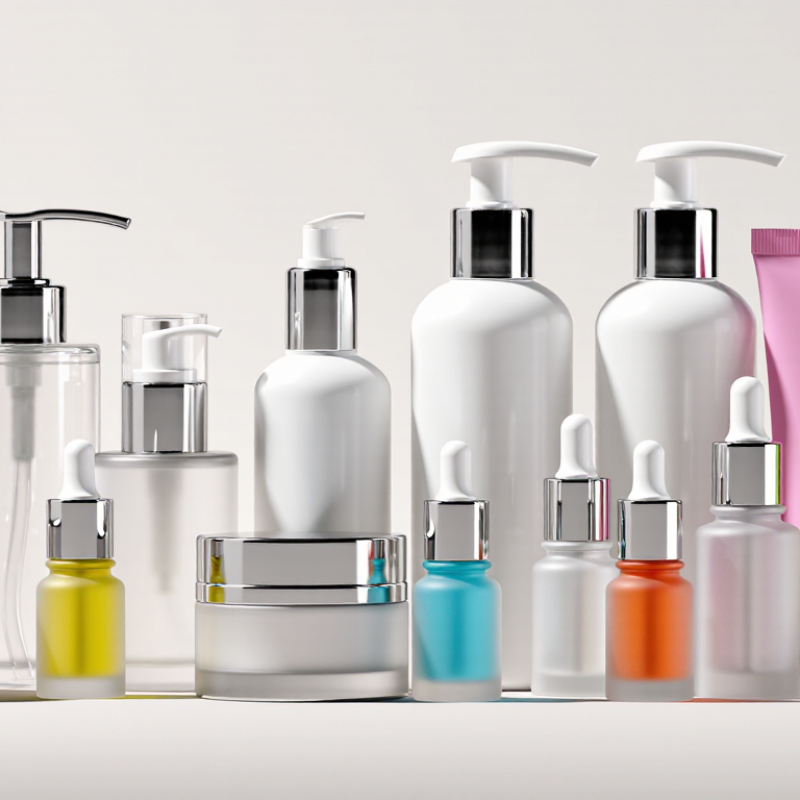
How to Choose the Best Cosmetic Bottle for Your Brand

Define the Product Type and Packaging Requirements

Define the product before choosing its bottle. A thin facial toner may pour neatly from a narrow opening, while a rich cream needs a wide mouth or a suitable dispensing pump. Note the formula’s texture, how much customers use per application, and whether they need one-handed access. Small details matter. A slippery hand can make a smooth bottle hard to use in a damp bathroom.

Check that the container and closure work with the formula. Oils, fragrances, and active ingredients may interact with some packaging materials over time. Ask suppliers for compatibility data, then test a filled sample under realistic storage conditions. Watch for leaks, changes in color or odor, and pumps that clog or dispense unevenly. The first sample may look right but perform poorly. That is worth admitting early.

Tips: Match the opening to the product’s thickness. Try the bottle with wet hands. Test the pump with the actual formula, not water. Consider travel size, refill plans, and the space needed on a shelf. Record what works—and what feels awkward—before ordering in bulk.

Compare Bottle Materials, Shapes, and Dispensing Options

Choosing a cosmetic bottle starts with the formula, not just the shelf appearance. Glass feels substantial and can help protect light-sensitive products when paired with suitable coloring. It is also heavier and more breakable during shipping. PET plastic is lightweight and clear, making it useful when customers need to see how much product remains. Compatibility still matters: some formulas may interact with packaging materials, so test samples with the actual product before committing.

Shape affects more than appearance. A rounded bottle may sit comfortably in the hand, while a flat-sided design can pack neatly in a box. Narrow necks look sleek but may slow filling or make cleaning difficult. Small details matter. A polished mock-up can mislead; handling filled samples may reveal an awkward grip or a cap that loosens in transit. I would not treat the prettiest option as the practical winner without those checks.

Dispensing should match the formula and how people use it. Pumps suit many lotions and liquid cleansers, while droppers allow controlled doses of thinner serums. Sprayers work for fine mists, but thicker liquids may clog them. A screw cap is simple and often reliable, though it gives less control over each use. Check the output, leakage, and ease of opening with wet hands. Fit matters. The right combination balances material, shape, and dispenser with the product’s texture and daily routine.

Assess Product Compatibility and Protection Needs

A bottle should suit the formula, not just the shelf. Check its ingredients, texture, and expected use before choosing a material. Oils, alcohol, and acidic formulas may interact differently with plastics, coatings, or closure liners. Glass can offer a strong barrier, while suitable plastics can reduce weight and breakage risk. Neither option fits every product.

Test samples with the actual formula. Look for changes in color, scent, texture, or dispensing, and check for leaks after storage. Small details matter. A liner that seems minor may affect the seal; a narrow opening may frustrate customers using a thick cream. Test over time, not just overnight. Conditions in a warehouse or bathroom can vary, and a short trial may miss slow changes.

Protection also depends on the product’s sensitivity to light, air, and moisture. Opaque or tinted packaging may help limit light exposure, while a well-matched closure can reduce air exchange. Pumps can limit repeated contact, but they are not automatically the best choice for every viscosity. Try the bottle upright and on its side, then assess dispensing after repeated use. A polished package can still fail in transit, so include realistic handling and temperature checks. There is no perfect test plan; refine it when results raise new questions.

Evaluate Usability, Branding, and Shelf Appeal

A cosmetic bottle must feel dependable before its label can tell a story. Check whether wet hands can grip it, whether the pump dispenses a controlled amount, and whether the cap stays secure in a travel bag. Test the package with the actual formula: thick creams may clog a narrow pump, while runny serums can leak through a loose closure. Small details matter. In a 2016 Packaging Matters study, WestRock reported that 66% of surveyed consumers had tried a product because its packaging caught their attention. That makes shelf appeal worth testing, not merely guessing.

Branding works best when shape, color, finish, and label remain legible at a glance. A frosted bottle may suggest softness, but it can hide how much product remains. Metallic details can stand out, yet glare may obscure small type under store lighting. In mockups, it is easy to overvalue gloss. Compare prototypes on a crowded shelf, from several feet away, and in a bathroom setting. Nielsen’s 2015 Global Corporate Sustainability Report found that 66% of global respondents were willing to pay more for sustainable goods; this is not packaging-specific, but it signals why material choices can influence perception. Check that recycled-content claims match supplier documentation, then test the bottle’s weight, opening, and label after repeated use.

Review Cost, Sustainability, and Supplier Standards

A bottle’s quoted price is only one part of its cost. Include the cap, decoration, shipping, storage, and possible breakage in your comparison. Ask for pricing at both trial and production quantities; tooling fees can change the calculation. Then test the bottle with your actual formula. A pump that works with a sample may struggle after repeated use. Small detail, real cost.

For sustainability, look beyond labels and broad claims. Compare bottle weight, recycled content, refill options, and the supplier’s available material data. A lighter package can reduce shipping weight, but it still needs to protect the product. Request details on how recycled materials affect color and consistency. Trade-offs remain. I would not assume one material is automatically the better choice; sometimes the best-looking option is harder to recycle locally.

Supplier standards deserve equal attention. Ask how each batch is checked for dimensions, finish, and closure fit. Request written specifications, sample units, and clear lead-time estimates. If possible, compare samples from separate production runs, not just a polished showroom piece. A supplier’s answers matter, but so does the paperwork behind them. I’d also leave room for a less-than-perfect first test: a loose cap or uneven coating can reveal what needs tightening before a larger order.