Why Choose a Ducted Humidifier for Your Home Needs?
A ducted humidifier is a crucial addition to modern homes. Inadequate humidity levels can lead to a range of health issues. The American Society of Heating, Refrigerating and Air-Conditioning Engineers (ASHRAE) suggests maintaining indoor humidity levels between 30% and 50%. A ducted humidifier helps in achieving this balance seamlessly.
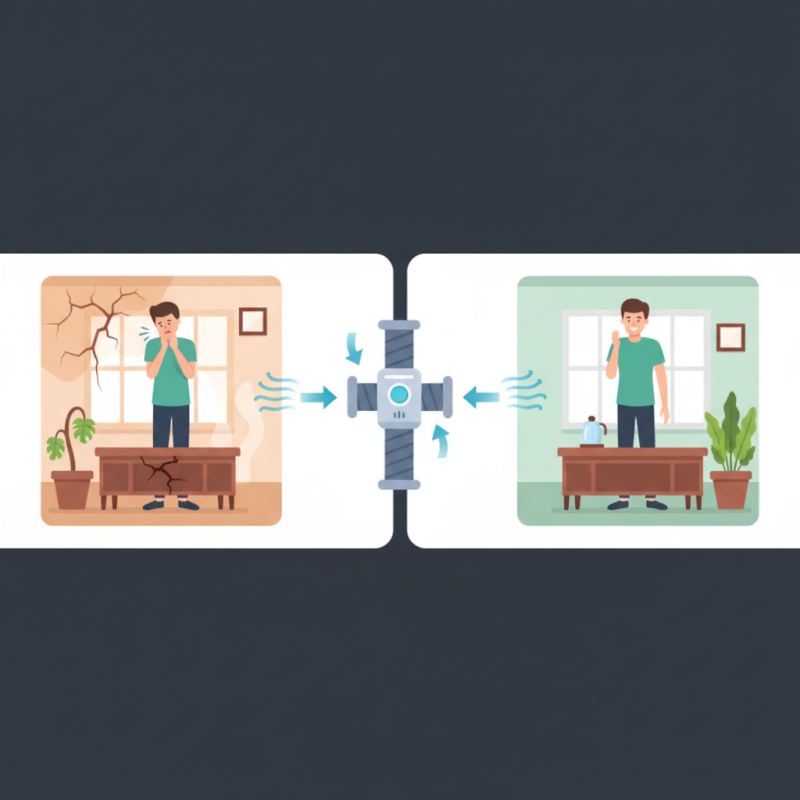
Studies show that low humidity can exacerbate respiratory problems and dry skin. Additionally, wood furnishings may crack under excessively dry conditions. According to the EPA, maintaining proper humidity can improve overall indoor air quality. A well-installed ducted humidifier functions efficiently, supplying moisture throughout the home.
While their benefits are clear, some homeowners remain hesitant. Concerns about installation costs and maintenance often arise. However, the long-term gains in comfort and health typically outweigh these initial obstacles. Investing in a ducted humidifier cultivates a healthier living environment. Individuals should weigh their options and recognize the importance of humidity control in their homes.
Benefits of Using a Ducted Humidifier in Your Home
A ducted humidifier provides numerous advantages for maintaining a comfortable home environment. Research indicates that ideal indoor humidity levels range from 30% to 50%. When humidity dips below this range, it can lead to dry skin, respiratory issues, and decreased overall comfort.
Ducted humidifiers are effective at evenly distributing moisture throughout the home, which can help mitigate these problems.
One compelling statistic reveals that 63% of homeowners report fewer illnesses during the winter months after installing a humidification system. This is largely due to the reduced spread of airborne viruses in optimally humidified spaces. Furthermore, ducted humidifiers can protect wooden furniture and flooring from cracking, an overlooked issue that can lead to costly repairs.
However, homeowners should be aware of maintenance needs. Regular cleaning is crucial to prevent mold growth within the system. Inadequate maintenance can negate the benefits these systems provide. It’s essential to balance humidity levels, as excessive moisture might lead to unwanted dampness and mold. Thus, understanding both the benefits and responsibilities associated with ducted humidifiers is critical for creating a healthy living environment.
How Ducted Humidifiers Improve Indoor Air Quality
Ducted humidifiers can significantly enhance indoor air quality. Studies show that maintaining indoor humidity levels between 30% to 50% supports respiratory health. According to the Environmental Protection Agency, optimal humidity reduces dust, mold, and allergens. This is crucial in preventing respiratory issues, especially during dry seasons.
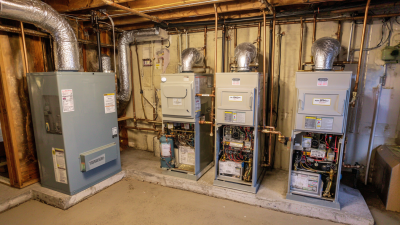
A well-designed ducted humidifier integrates seamlessly with existing HVAC systems. This promotes even humidity distribution throughout the home. The American Society of Heating, Refrigerating, and Air-Conditioning Engineers (ASHRAE) emphasizes that consistent humidity levels lead to fewer health complaints. With proper maintenance, these systems can operate efficiently and reliably.
However, not all ducted humidifiers are created equal. Improper installation or lack of regular maintenance may lead to issues like excess moisture. This can encourage mold growth or damage to walls. Homeowners must carefully consider their options and consult professionals to ensure optimal performance. Understanding these factors is essential in enhancing indoor air quality effectively.
Impact of Ducted Humidifiers on Indoor Air Quality
Ducted humidifiers play a significant role in improving indoor air quality by maintaining optimal humidity levels, which can enhance comfort and health. The chart above illustrates the change in indoor humidity levels before and after the installation of a ducted humidifier, showcasing the benefits of improved humidity control.
Energy Efficiency of Ducted Humidifiers Compared to Portable Options
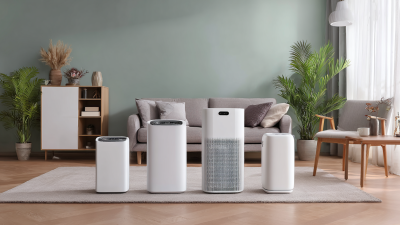
Ducted humidifiers offer a more energy-efficient solution compared to portable options. Research indicates that ducted systems can reduce energy consumption by up to 30% compared to portable units. They distribute moisture evenly throughout the home. This prevents over-saturation in one area, which is common in some portable designs. The steady humidity levels can lead to better comfort and health, especially during dry months.
When assessing energy efficiency, it’s essential to consider system size and usage. Ducted humidifiers might have a higher initial cost, but they usually result in lower energy bills. According to the U.S. Department of Energy, homes with optimized humidity control use 5-10% less energy annually for heating and cooling. This balance provides long-term savings despite initial expenses.
Tip: Regular maintenance of ducted systems enhances efficiency. Clean filters often and check for blockages to ensure optimal operation. Additionally, consult with professionals to find the right size for your home. Choosing the right system can maximize the benefits while minimizing energy waste. Be cautious of improper installations, which can lead to less efficiency and higher costs over time.
Installation Considerations for Ducted Humidifiers in Residential Spaces
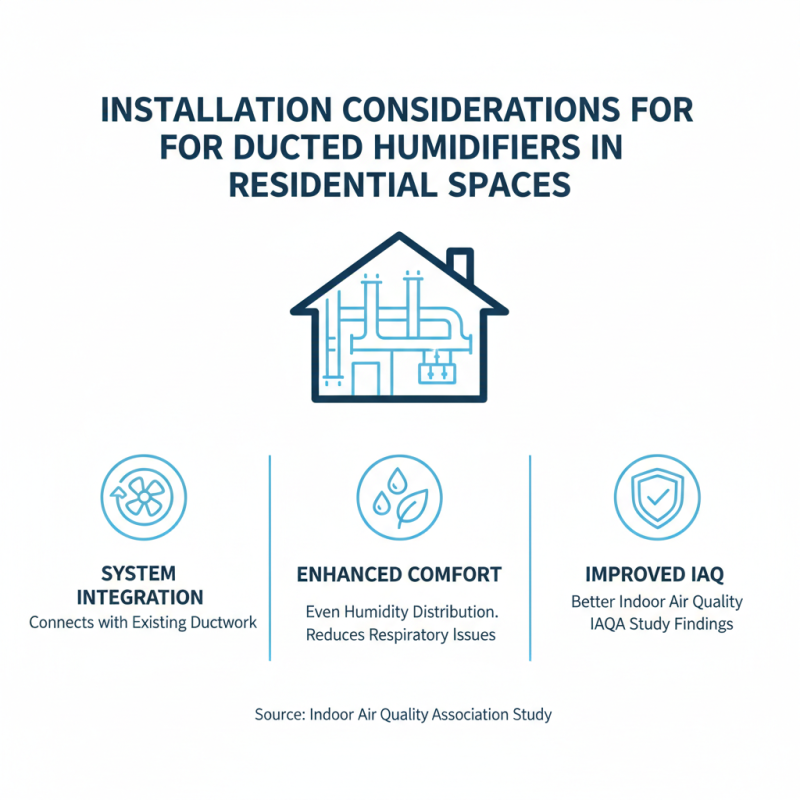
When considering a ducted humidifier for your home, installation aspects play an essential role. These systems integrate with existing ductwork, effectively distributing humidity throughout your living spaces. A study from the Indoor Air Quality Association highlights that well-balanced humidity levels can enhance comfort and improve indoor air quality, reducing respiratory issues.
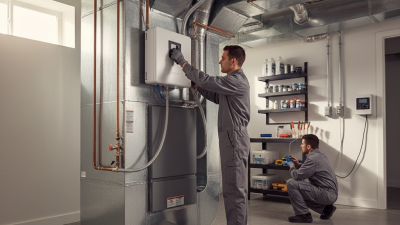
Ensuring professional installation is crucial for optimal performance. Properly sized units can achieve desired humidity levels while avoiding excess moisture, which leads to mold growth. Local codes and regulations must also be adhered to, making consultation with experts necessary. Over 30% of homeowners report dissatisfaction due to improper installation practices, emphasizing the need for careful planning.
Tip: Choose a humidifier with adjustable settings, allowing you to fine-tune humidity levels based on seasonal changes. It’s beneficial to consult manufacturers for specifications that fit your home’s needs.
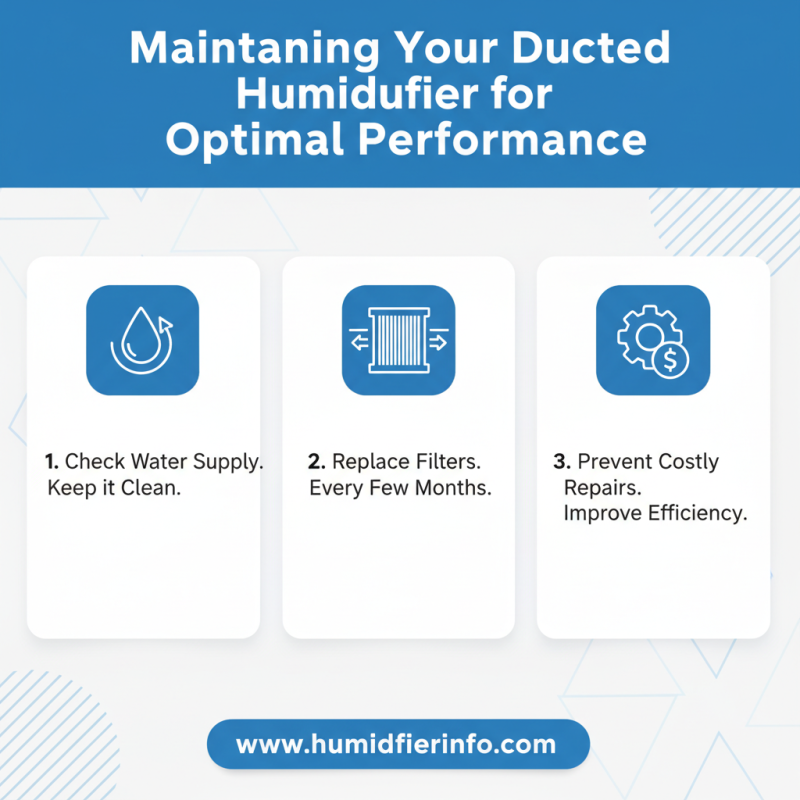
Regular maintenance is just as important. Cleaning the system prevents the buildup of minerals and mold. This practice enhances system efficiency. Under the right conditions, a ducted humidifier can last ten years or more. However, attention is required to ensure reliable performance and air quality benefits.