How to Choose the Best Humidifier for Your House?
Choosing the right humidifier for house use is essential for maintaining a comfortable living environment. A well-functioning humidifier can help alleviate dry air, which may cause respiratory issues and dry skin. You may wonder, how do you select the best model for your needs?
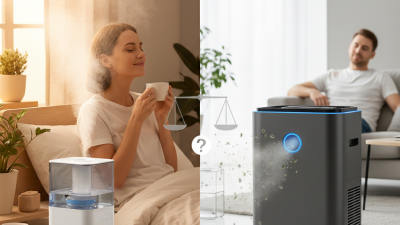
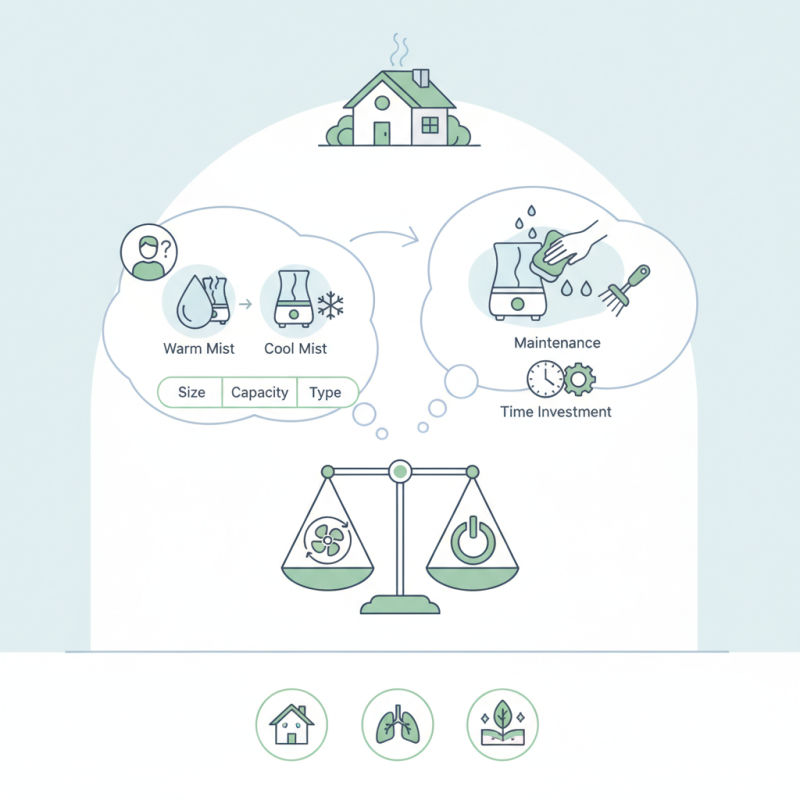
When considering a humidifier for house purposes, it's important to analyze your specific requirements. Different models offer various features, such as size, capacity, and type. Some people prefer warm mist, while others opt for cool mist. Reflecting on your personal preferences will guide your decision.
Additionally, you should think about maintenance. Regular cleaning is crucial to prevent mold and bacteria growth. Consider how much time you are willing to invest. Not all humidifiers are easy to maintain. A reliable humidifier can make a significant difference in your home. The right choice may require careful thought and research. Balancing performance with ease of use is key to finding the perfect fit for your household.
Understanding Humidifiers: Types and Functions
When selecting a humidifier, understanding the types available is crucial. There are four primary types: evaporative, ultrasonic, steam vaporizer, and impeller.
Evaporative humidifiers use a fan to blow air through wet wick filters. They are self-regulating, as they humidify based on room conditions. Ultrasonic models emit a cool mist through high-frequency vibrations. They are quieter but may require regular cleaning.
Steam vaporizers heat water to create steam. This type can release warmer mist but consumes more energy. Impeller humidifiers use a rotating disk to fling water into the air. They can add moisture but may be less common. Each type has its pros and cons. For example, ultrasonic models may not disperse minerals well, leading to white dust.
It's essential to consider your home environment. Certain humidifiers work better in specific conditions. For instance, if you have allergies, an evaporative humidifier might be the best choice. Ensure proper maintenance and cleaning to avoid mold or bacteria buildup. Assess your needs and select accordingly. Remember, the right humidifier can significantly impact your indoor air quality.
Assessing Your Home's Specific Humidity Needs
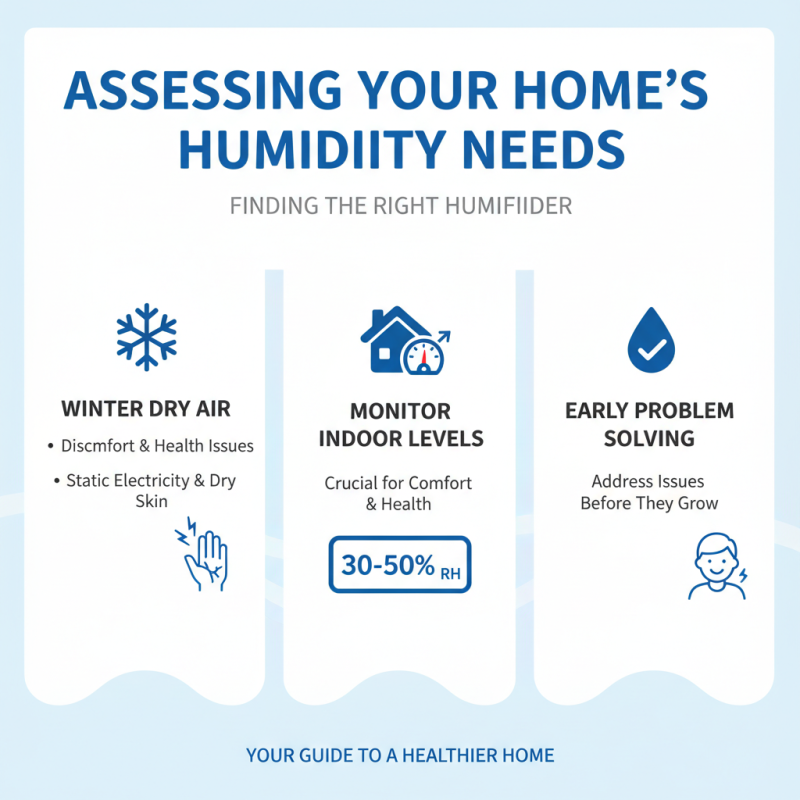
Assessing your home's specific humidity needs is crucial when selecting the best humidifier. Humidity levels can greatly affect comfort and health. In winter, dry air can lead to discomfort and health issues. You might notice static electricity or dry skin. It's essential to monitor indoor humidity levels to address these problems early.
To evaluate your needs, begin by measuring the current humidity level in your home. This can be done with a hygrometer. Aim for a range of 30% to 50% relative humidity. If your readings fall below this range, your home may need additional moisture. Pay attention to areas like bedrooms or living rooms, where humidity plays a key role in comfort.
Consider the size of your living space as well. Larger rooms may require more powerful humidifiers. A small device may not suffice in bigger areas. On the other hand, smaller rooms might feel overly humid with a powerful unit. Striking the right balance is necessary for a healthy environment. It's not just about adding moisture but ensuring it is the right amount. Experiment with different settings to find what works best for your home.
Key Features to Consider When Buying a Humidifier
When choosing a humidifier, several key features are crucial. First, consider the type of humidifier that suits your needs. Evaporative, ultrasonic, and steam vaporizers each have strengths and weaknesses. Ultrasonic models are typically quieter. They use high-frequency vibrations to create mist. However, they may require frequent cleaning to prevent bacteria growth.
Next, humidity output is important. The average home needs a relative humidity level between 30% and 50%. According to a report by the Environmental Protection Agency, maintaining this level can help alleviate respiratory issues and provide comfort. Look for models with adjustable settings. This allows you to control humidity accurately. Some humidifiers even include built-in hygrometers for precise measurements.
Finally, consider ease of maintenance. Many users overlook this factor. Regular cleaning is essential to prevent mold and mineral buildup. Units with larger tanks require less frequent refilling but may be harder to clean. Finding a balance between size and ease of use is key. Ultimately, the right humidifier should enhance your living environment while fitting seamlessly into your routine.
Maintenance and Care for Optimal Performance
Regular maintenance is critical for keeping your humidifier running efficiently. Clean the water tank frequently. Use a mixture of water and vinegar to prevent mold buildup. Remember to rinse thoroughly to remove any residue. Wipe down the exterior with a soft cloth to ensure dust doesn't accumulate.
Replacing filters is essential for optimal performance. Check your humidifier's manual for specific guidelines on how often to replace them. A neglected filter can decrease the unit's efficiency and affect air quality. It's also a good practice to inspect all parts for wear and tear, ensuring everything operates smoothly.
Monitor humidity levels in your home. Too much humidity can lead to mold growth and allergic reactions. Use a hygrometer to keep track. Adjust the settings on your humidifier accordingly. Make it a habit to review and adapt your practices. Good care leads to better air quality, but it requires diligence and attention to detail.
Budgeting for Your Ideal Humidifier Selection
When budgeting for your ideal humidifier, it's important to understand your specific needs. Consider the size of the space where it will be used. A small unit might suffice for a bedroom, while larger areas may require more powerful models. This understanding shapes the cost range you should expect.
Assess the features you really want. Basic humidifiers are usually more affordable. They provide essential moisture without extra functions. However, if you require a built-in hygrometer or adjustable settings, be ready to spend more. It's a fine line between necessity and luxury.
Lastly, consider energy efficiency. Some models may have a higher upfront cost but save you money over time. Look into warranty options too; they can indicate a manufacturer's confidence. Budgeting is not just about the initial price. Think about the long-term benefits and costs. Balancing features, efficiency, and your budget is crucial.
How to Choose the Best Humidifier for Your House? - Budgeting for Your Ideal Humidifier Selection
| Type |
Ideal Room Size (sq ft) |
Price Range ($) |
Maintenance Level |
Run Time (Hours) |
| Evaporative |
300-700 |
$50 - $150 |
Low |
24 - 48 |
| Ultrasonic |
300-600 |
$30 - $120 |
Medium |
10 - 50 |
| Steam Vaporizers |
100-400 |
$20 - $75 |
High |
6 - 12 |
| Impeller |
250-500 |
$40 - $100 |
Medium |
10 - 30 |
| Whole House |
1500+ |
$500 - $2000 |
Low |
Continuous |