How to Choose the Best Biodegradable Fruit Stickers for Your Needs?
In today's world, sustainability is becoming increasingly crucial. One often-overlooked aspect is the packaging of fresh produce. This is where biodegradable fruit stickers come into play. These stickers offer a green alternative to conventional materials. They help reduce waste and are safer for our environment.
Choosing the right biodegradable fruit stickers can feel overwhelming. With numerous options available, it’s essential to consider factors that suit your needs. Quality, adhesion, and whether they are certified compostable are vital details. You might find that not all stickers perform as expected. Some may not adhere well to certain fruits and can peel off easily. Others may lack proper certification, which can undermine their eco-friendly claims.
Evaluating the market can reveal gaps. For instance, many brands market their products as biodegradable without providing evidence. It's wise to do your research and choose brands with proven expertise. Look for customer reviews and certifications. This attention to detail will ensure you select the best biodegradable fruit stickers for your produce.
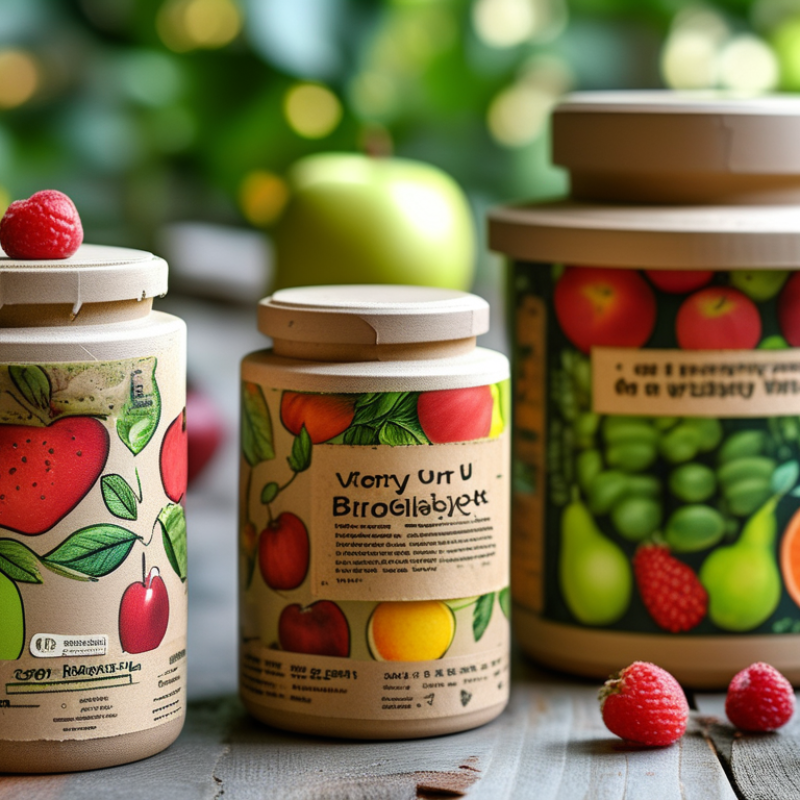
Understanding Biodegradable Fruit Stickers: Definition and Benefits
Biodegradable fruit stickers are an eco-friendly option for labeling fresh produce. These stickers are designed to break down naturally, reducing plastic waste. They are often made from materials like cellulose or corn starch, which decompose over time. This means less impact on the environment compared to traditional plastic stickers.
One significant benefit of biodegradable stickers is their safety. They do not contain harmful chemicals that can leach into food. This makes them a safer choice for consumers concerned about food contamination. Additionally, using biodegradable options can enhance a brand's image. It shows a commitment to sustainability, which resonates with environmentally conscious shoppers.
However, not all biodegradable stickers are created equal. Some may not break down as quickly as expected. It’s crucial to research the certification of biodegradability. Look for transparent information regarding materials used and their environmental impact. While these stickers are a step in the right direction, they still require careful consideration. Choosing the right ones can support sustainability while ensuring food safety.
Key Materials Used in Biodegradable Fruit Stickers: A Comparative Analysis
When selecting biodegradable fruit stickers, understanding the materials used is crucial. Common options include paper, vegetable-based inks, and plant-derived adhesives. Each material has its pros and cons. Paper stickers are often compostable, but they may not withstand moisture well. On the other hand, stickers made from vegetable inks are safer for the environment, though they might lack durability.
It's essential to consider the intended use of these stickers. If fruit is going to be shipped, durability is key. Choose materials that resist tearing. For local markets, lightweight paper might suffice. Always check for certifications that ensure the stickers meet biodegradable standards.
Consider testing various materials. It may lead to surprising insights. This trial-and-error approach can help determine which material works best under specific conditions. Keeping track of performance will guide future choices. Engaging with suppliers about their processes can also provide valuable information.
Material Comparison for Biodegradable Fruit Stickers
Factors to Consider When Choosing Biodegradable Fruit Stickers
When choosing biodegradable fruit stickers, several crucial factors come into play. Firstly, consider the materials used in the stickers. Look for options made from plant-based sources. These tend to break down more easily than synthetic alternatives. Reading the ingredient list is essential. Many stickers contain additives that can hinder biodegradation.
Tips: Always opt for labels that indicate full compostability. These products leave no trace behind. Stickers that can be applied without chemical adhesives are often better for the environment.
Secondly, think about the sticker’s purpose. If they need to withstand moisture or refrigeration, select options designed for these conditions. Not all biodegradable stickers handle wet environments well. Testing may be necessary to determine durability before bulk purchases.
Tips: Create a small trial batch to see how stickers perform. This can prevent larger inconveniences later on.
Moreover, research the certifications that back biodegradable claims. Look for third-party validation to ensure reliability. Many products use greenwashing tactics. So, skepticism toward marketing claims is wise. Checking consumer reviews can also provide insight into a product's actual performance and reliability.
How to Choose the Best Biodegradable Fruit Stickers for Your Needs?
| Factor | Description | Importance Level |
| Material Composition | Check if the stickers are made from plant-based materials or other biodegradable sources. | High |
| Adhesive Quality | Ensure the adhesive is also biodegradable and safe for food contact. | High |
| Printability | Assess if the stickers can be printed with high-quality food-safe ink. | Medium |
| Certifications | Look for certifications like USDA Organic or TÜV Austria for biodegradability. | High |
| Size and Shape | Choose the right size and shape that fit your fruits without causing damage. | Medium |
| Durability | Evaluate how well the stickers withstand moisture, handling, and transportation. | High |
| Cost | Consider the cost-effectiveness while ensuring no compromise on quality. | Medium |
Evaluating Environmental Impact: Certified Standards for Stickers
When selecting biodegradable fruit stickers, it's essential to consider their environmental impact. Certified standards play a crucial role in assessing the sustainability of these products. Look for stickers that exceed basic biodegradability. They should meet well-recognized certifications, like ASTM D6400 or EN 13432. These certifications ensure that the materials break down effectively in composting environments.
Understanding the composition of the sticker is vital. Many biodegradable options use plant-based materials. However, some may still include small percentages of non-biodegradable elements. This mix can hinder the overall benefits. The labeling should be clear and transparent. Labels that lack this transparency may warrant skepticism regarding their claims.
Using biodegradable stickers is a step towards sustainability, yet it's not the complete answer. Consumers must remain critical. Not all biodegradable materials behave the same way in different environments. A sticker that works well in one composting setup might not in another. It’s important to reflect on the broader implications of our choices. As we move forward, knowledge and awareness will help inform better practices and improve the industry's standards.
Cost vs. Quality: Finding the Right Balance for Your Needs
When choosing biodegradable fruit stickers, balancing cost and quality is essential. It's tempting to go for the cheapest option, but low-quality stickers might not meet your needs. They may peel off easily or fail to adhere properly, leading to fruit waste. As a result, spending a little more could save you in the long run.
Consider the material of the stickers. Some biodegradable options are made from natural fibers. These may cost more but offer better durability. Cheaper alternatives might use lower-quality materials that break down too quickly. Do you want your stickers to dissolve before the fruit is sold? Assess the longevity of the stickers, especially if you’re in a retail environment.
Here are some tips: check for certifications that validate the biodegradability claims. Look for independent testing. This adds credibility. Experiment with samples before committing to a larger purchase. Test how well they stick and break down over time. Reflect on your values—what matters most in your operation, cost or environmental impact? Balancing these factors will guide you to the right choice.