Skip to content

China Top 10 Medical Alert Manufacturers for Global Buyers

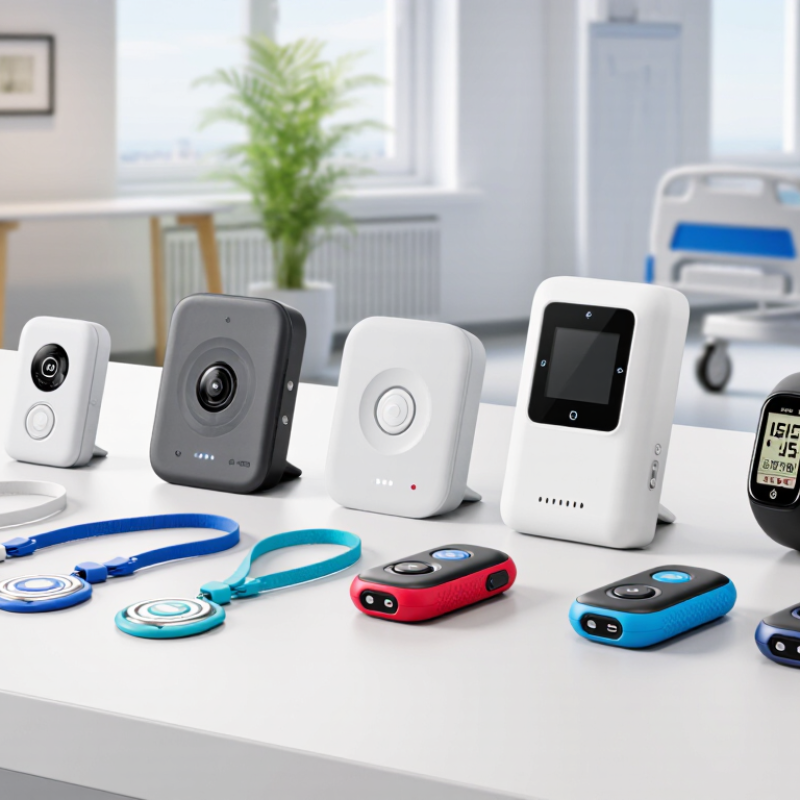
China’s medical device sector has become an important sourcing base for global buyers seeking reliable Medical Alert equipment. Manufacturers now offer fall detection pendants, emergency call buttons, GPS trackers, home alarm hubs, and wearable monitoring devices. These products serve older adults, people living alone, hospitals, and professional care providers.

Yet product images cannot prove performance. A dependable supplier should explain response times, battery endurance, waterproof ratings, connectivity options, and software support in clear terms. Factory experience also matters. Buyers should examine production records, quality procedures, user manuals, sample testing, and after-sales communication before placing large orders. Certifications such as ISO 13485, CE, or FDA-related documentation may be relevant, but their validity and scope require careful verification.

Small details matter. Does the pendant remain usable after a fall? Can an alert reach a caregiver during a network interruption? Is the charging base easy to see at night? These questions reveal practical quality better than a polished brochure. Not every listed manufacturer will suit every market. Some may provide strong hardware but weak applications, while others may offer responsive service without enough customization experience. That gap deserves honest attention.

This guide reviews ten leading Chinese Medical Alert manufacturers for international buyers. It considers product capability, manufacturing credibility, customization, compliance awareness, communication, and long-term support. Rankings can change as technologies and regulations evolve. Careful due diligence remains essential. A promising supplier still needs real-world testing.
China Top 10 Medical Alert Manufacturers for Global Buyers

Medical Alert Systems: Purpose, Types, and Global Market Overview

Medical alert systems help older adults, people living alone, and patients recovering at home request assistance quickly. A pendant, wristband, or wall button can connect users with trained response staff or trusted contacts. Some devices include two-way voice communication, fall detection, medication reminders, or GPS location tracking for outdoor safety.

The global market is expanding as home-based care becomes more common. However, device quality varies across regions. Buyers should examine cellular coverage, battery life, waterproof ratings, language support, and emergency response availability. Landline systems may suit stable homes, while mobile units offer protection during shopping, walking, or travel. Automatic fall detection is useful, but it can miss slow collapses or trigger during sudden movements. No system is perfect.

Tips: Test the alarm from the bedroom, bathroom, and garden. Check whether staff can understand the user’s language. Confirm monthly fees, replacement policies, data handling, and service availability in the target country. Request evidence of quality testing and clear technical documentation from manufacturers. During evaluation, involve the actual user. A device that feels bulky may remain in a drawer. This practical detail is easy to overlook.

How to Evaluate Medical Alert Manufacturers for International Buyers

China Top 10 Medical Alert Manufacturers for Global Buyers

How to Evaluate Medical Alert Manufacturers for International Buyers

Choosing a medical alert manufacturer requires more than comparing unit prices. International buyers should examine product quality, engineering ability, and after-sales support. Ask for a clear factory profile, production capacity, and recent quality records. A polished showroom is not enough. The production line matters more.

Check whether the manufacturer follows a documented quality management system, such as ISO 13485 where relevant. Request test reports, risk assessments, and sample inspection records. Confirm that the device supports stable communication, clear voice alerts, and reliable battery performance. Test it in elevators, bedrooms, and areas with weak signals. Small details matter. A delayed alarm can create serious concern.

Review the supplier’s experience with overseas shipments and technical documentation. They should explain labeling, manuals, packaging, warranty terms, and market-specific requirements without vague promises. Ask how they handle defective units, software updates, spare parts, and emergency replacements. Response time should be written into the agreement. Verbal assurance is difficult to measure.

A useful evaluation includes an independent sample test and a small pilot order. The first sample may work perfectly, while later batches reveal inconsistent buttons or charging contacts. This possibility deserves attention. Buyers should compare inspection results across several production batches, not only one approved unit. Price remains important, but weak traceability can cost more than a higher purchase price. Expect questions from the manufacturer, too. A serious supplier will ask about users, environments, and service expectations before recommending a device.

China Top 10 Medical Alert Manufacturers for Global Buyers - How to Evaluate Medical Alert Manufacturers for International Buyers
Anonymous Manufacturer Profile Typical Product Focus Communication Options Relevant Quality Documentation to Request Applicable Safety and Radio Standards Ingress Protection Target Emergency Communication Capability International Compliance Readiness Customization Capability After-Sales Requirements Buyer Evaluation Score
Manufacturer Profile 01 Wearable SOS pendants, fall-alert devices and caregiver receivers LTE, Wi-Fi, Bluetooth and GNSS ISO 13485 certificate, ISO 9001 certificate, technical file and risk-management records IEC 62368-1 or applicable product safety standard; FCC or RED test evidence where applicable IP67 target for wearable outdoor use Two-way voice, SOS button and location sharing Strong documentation potential Logo, packaging, firmware language and app interface English manuals, replacement policy, firmware support and response-time SLA 91 / 100
Manufacturer Profile 02 Home emergency call units, wall buttons and medical alert base stations 4G LTE, Ethernet and Wi-Fi Quality manual, incoming inspection records, production test reports and traceability procedure EMC testing, radio testing and electrical safety testing for the target market IP54 target for fixed indoor accessories Hands-free voice communication with central monitoring compatibility Suitable after market-specific verification Button layout, enclosure color, audio prompts and monitoring protocol Remote diagnostics, spare-unit availability and installation instructions 89 / 100
Manufacturer Profile 03 GPS medical alert watches and cellular personal safety trackers 4G LTE, GNSS, Wi-Fi positioning and Bluetooth Battery test reports, software lifecycle procedure, cybersecurity records and supplier-control documents Applicable cellular, EMC, SAR and radio-frequency exposure evidence IP67 target for daily-wear products SOS calling, geofencing, voice monitoring and fall-event notifications Good for connected-device projects Watch housing, straps, language packs, mobile application and cloud dashboard Cloud uptime commitment, SIM-management support and application maintenance 88 / 100
Manufacturer Profile 04 Bedside call buttons, nurse-call accessories and residential emergency buttons Sub-GHz RF, Wi-Fi and wired interfaces Process flow chart, product inspection standard, calibration records and corrective-action reports EMC, electrical safety and radio compliance documents for destination countries IP55 target for splash-resistant buttons Local alarm, remote receiver alert and optional two-way communication Verify export certification scope Frequency band, receiver pairing, alert tone and enclosure design Pairing instructions, replacement receivers and technical troubleshooting 85 / 100
Manufacturer Profile 05 Fall-detection sensors, room monitoring devices and activity trackers Bluetooth Low Energy, Wi-Fi and proprietary RF Algorithm validation summary, false-alarm test data, software version control and risk analysis EMC and radio testing; additional medical-device evidence if the product makes medical claims IP65 target for room and bathroom-adjacent installations Automatic event notification with caregiver dashboard integration Claims and classification require review Detection zones, sensitivity settings, dashboard branding and API integration Installation training, calibration support and data-export capability 84 / 100
Manufacturer Profile 06 Senior-care wearable alarms, pendant transmitters and indoor locating devices RF, Bluetooth, Wi-Fi and optional cellular gateway ISO 9001 or ISO 13485 evidence, batch records and product-change notification procedure Radio, EMC and battery transport documentation for international shipments IP66 target for wearable transmitters SOS transmission, low-battery warning and caregiver receiver alerts Moderate-to-strong readiness Strap type, pendant shape, alert tones and receiver configuration Battery replacement guidance, spare accessories and multilingual support 82 / 100
Manufacturer Profile 07 Emergency call terminals, apartment safety systems and monitoring gateways 4G LTE, Ethernet, Wi-Fi and SIP or other IP-based voice options Network architecture, penetration-test summary, uptime records and production acceptance tests EMC, radio, electrical safety and telecom requirements for each destination market IP44 target for indoor terminal equipment Full-duplex voice, backup calling path and remote system supervision Strong for B2B deployments Control panel, monitoring-center protocol, enclosure and software portal System commissioning, API documentation and maintenance escalation process 81 / 100
Manufacturer Profile 08 Portable SOS buttons, caregiver pagers and compact personal alarms Sub-GHz RF, Bluetooth and optional LTE gateway Component list, battery safety data, production inspection plan and warranty terms Applicable EMC, radio and battery transport documentation IP54 target for compact personal alarms One-touch SOS, audible alarm and pager notification Verify long-term software support Housing color, button labels, packaging and alert sound Simple setup guide, spare batteries and regional distributor support 79 / 100
Manufacturer Profile 09 Connected health hubs, medication-reminder accessories and alert peripherals Wi-Fi, Bluetooth, cellular backup and cloud connectivity Cybersecurity policy, privacy documentation, software test records and data-processing procedures EMC, radio, electrical safety and privacy requirements applicable to the target region IP30 target for indoor hub equipment Scheduled reminders, caregiver escalation and remote status monitoring Review data protection responsibilities Dashboard, API, notification rules, language and cloud deployment options Cloud service terms, data export, incident notification and technical support 78 / 100
Manufacturer Profile 10 Basic personal alarms, door alerts and non-cellular emergency accessories RF, audible alarm and optional smartphone connection Factory audit report, inspection checklist, material declaration and warranty statement Basic EMC, radio and battery compliance evidence for the destination market IP44 target for indoor personal-safety accessories Local alarm, receiver notification and manual emergency activation Suitable for lower-risk applications after testing Packaging, labels, accessories and basic enclosure changes Replacement-part availability and clear user instructions 74 / 100
Evaluation note: Scores are a buyer-side screening framework rather than a certification or ranking claim. Before placing an international order, independently verify the manufacturer’s legal entity, factory location, quality certificates, test reports, product classification, radio approvals, battery documentation, software support, warranty terms and destination-market labeling requirements.

China’s Top 10 Medical Alert Manufacturers and Their Core Strengths

China’s top ten medical alert manufacturers serve different buyer priorities. Some specialize in GPS wearables for outdoor independence. Others focus on home hubs with two-way voice communication. Several provide fall-detection sensors, while others build cellular pendants for areas without fixed telephone lines. More capable suppliers combine hardware, mobile applications, cloud dashboards, and monitoring-center integration.

Their core strengths are usually clear: flexible OEM and ODM production, competitive component sourcing, multilingual software, rapid prototyping, and large-scale assembly. A few manufacturers stand out for waterproof designs and long battery life. Others offer stronger firmware teams and more reliable location services. The World Health Organization reports that more than 2.5 billion people need at least one assistive product. That figure may exceed 3.5 billion by 2050. Demand is substantial, but product quality remains uneven. China’s National Bureau of Statistics recorded 264 million people aged 60 or above in 2023, creating strong domestic testing experience.

Tips: Ask for ISO 13485 evidence, battery-cycle results, IP ratings, and real alarm-response data. Confirm whether fall detection works across different body types. Do not trust “AI-powered” claims without test methods. Request sample units before signing volume orders.

Experience matters. A factory may quote quickly but struggle with firmware updates. Another may offer excellent hardware but weak after-sales support. Buyers should compare documentation, traceability, cybersecurity practices, and replacement policies. No supplier is perfect. The best choice depends on geography, connectivity, user age, and monitoring workflow.

Product Features, Certifications, and Customization Options to Compare

When comparing China’s top 10 medical alert manufacturers, global buyers should examine more than unit price. The WHO and UNICEF Global Report on Assistive Technology estimates that 2.5 billion people need assistive products worldwide. That number may exceed 3.5 billion by 2050. Reliability is not optional.

Core features should include two-way voice communication, fall detection, GPS positioning, waterproof housing, and long battery life. Test the alarm in elevators, stairwells, and weak-signal areas. A crowded factory floor can expose problems that a showroom hides. Cellular compatibility must match the destination country. Some suppliers offer Wi-Fi, 4G, or multi-network designs. Confirm roaming behavior before ordering.

Certification records deserve careful review. ISO 13485 indicates a medical-device quality system, but it does not guarantee every product’s performance. Ask for test reports covering electrical safety, radio communication, battery protection, and ingress resistance. Relevant requirements may include IEC 60601, IEC 62368-1, CE, FCC, UKCA, or local approvals. Requirements vary by product classification and market. Do not rely on copied certificates.

Customization can include logo placement, voice prompts, pendant colors, charging docks, mobile applications, packaging, and emergency workflows. Request pilot units with your firmware and SIM configuration. Check response time, false alarms, language accuracy, and data handling. The comparison is imperfect. Suppliers may promise extensive customization, then limit it after payment. A written specification, sample approval, and traceable production inspection reduce that risk.

Global Purchasing Factors: Quality, Pricing, Shipping, and After-Sales Support

For global buyers comparing China’s top 10 medical alert manufacturers, quality should come before appearance or low pricing. Ask for recent test reports, production records, and sample units. Check alarm response, battery life, waterproof performance, voice clarity, and button durability. A reliable supplier should explain its quality-control process clearly. Traceable components matter during product inspections and future service claims. Do not rely only on catalog photographs.

Pricing requires a landed-cost view. Include tooling, packaging, certification support, spare parts, shipping, insurance, and import duties. A low quotation can hide expensive minimum orders or weak packaging. Request a written delivery schedule with production and transit times. Confirm carton dimensions before booking freight. After-sales support deserves equal attention. Ask about firmware updates, replacement procedures, training materials, and response times. I would not treat a fast reply as proof of strong support. Test the process with a technical question first. Some suppliers communicate well before payment, then become slower later.

Tips: Order samples from several manufacturers. Test them for thirty days. Record false alarms, charging time, and signal stability. Compare total cost, not unit price. Keep every specification in writing. A small pilot order may reveal problems that a factory tour misses. Even experienced buyers can overlook regional network compatibility. Recheck it before signing.