China Top 10 Kitchen Sink Manufacturers
Selecting a Kitchen Sink manufacturer in China involves more than comparing catalog prices. Material grade, basin geometry, finishing quality, and production consistency all affect daily performance. A deep stainless-steel bowl may suit large cookware, while a compact workstation sink can save space in a smaller kitchen. Details matter.
This guide introduces ten manufacturers and outlines practical points buyers can use when evaluating them. It considers product range, customization options, export experience, and the clarity of each company’s product information. Where specifications are available, check steel grade, sheet thickness, sound-dampening pads, drain dimensions, and finish. These details help turn a broad supplier list into a useful comparison.
A polished website is not proof of consistent quality. Ask for current specifications, sample images, inspection procedures, and packaging details before making a decision. Confirm lead times and clarify which items are produced in-house. No ranking is perfect. Supplier capabilities can change, and published claims may not capture factory-level variation. Treat this list as a starting point, then verify important details directly with each manufacturer. A careful review can reduce surprises, though it cannot remove every sourcing risk.
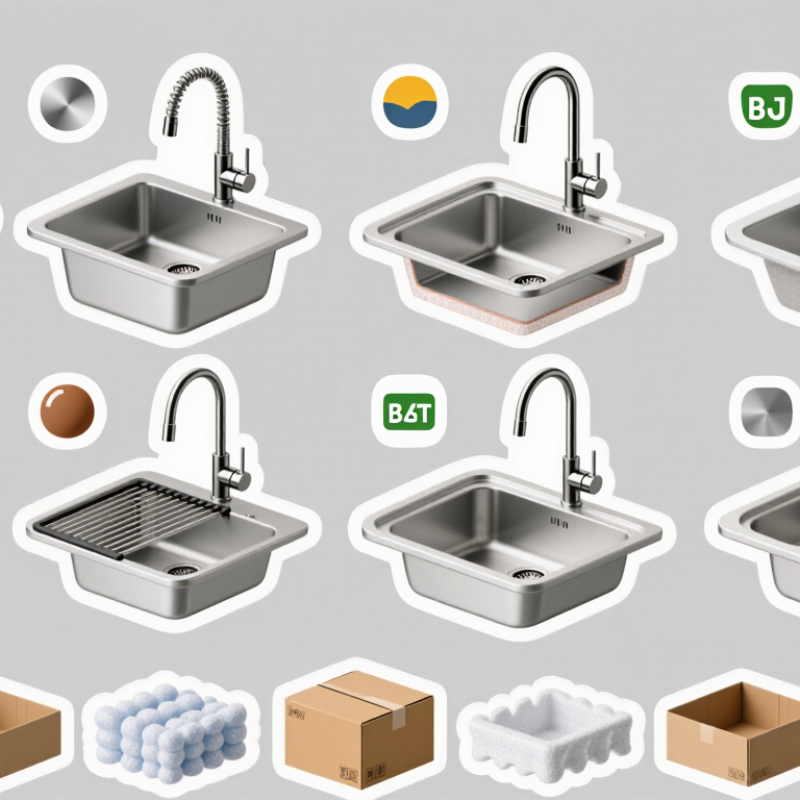
China’s Kitchen Sink Manufacturing Industry: Scope and Development
China’s kitchen sink manufacturing industry covers material processing, forming, welding, surface finishing, and final inspection. Production ranges from compact single-bowl sinks to larger models with drainboards and accessory rails. Stainless steel is widely used, while other materials serve different design and installation needs. Factories often work with suppliers of sheet metal, coatings, packaging, and plumbing components. The exact capabilities vary by facility.
Development is shaped by automation, export demand, and buyers’ requests for more sizes and finishes. Pressing and welding equipment can improve consistency, but skilled workers still matter when checking corners, seams, and drain openings. A sink may look polished yet reveal uneven finishing under bright light. Quality checks should consider dimensions, surface defects, drainage, and packaging protection. Improvements are real, but not uniform across the industry; that deserves attention.
Tips: Compare product specifications, not just photographs. Ask how thickness, finish, and inspection are defined. Check samples in natural light, and confirm that installation details match the intended countertop.
Criteria for Identifying Leading Chinese Sink Manufacturers
Criteria for Identifying Leading Chinese Sink Manufacturers
Choosing a kitchen sink manufacturer takes more than comparing polished catalog photos. Check material grade, steel thickness, bowl depth, weld quality, and surface finish against written specifications. The International Stainless Steel Forum reported 58.4 million tonnes of global stainless steel production in 2023. That scale makes clear steel is widely available; it does not prove a factory uses consistent, traceable stock. Ask for material certificates and batch records.
Production controls matter just as much. Request inspection procedures, dimensional tolerances, and test results for drainage, corrosion resistance, and sound dampening. Grand View Research estimated the global Kitchen Sinks market at USD 3.7 billion in 2023, with projected growth through 2030. A growing market can bring more suppliers, but market forecasts cannot verify a specific factory’s workmanship. Verify the details yourself.
Compare samples with production units, not only showroom pieces. Check whether edges feel smooth, clips fit securely, and drain openings align with standard fittings. Review quality-management certificates directly with their issuer, and ask how defects are recorded and resolved. No checklist catches everything. A sample may look excellent while later batches vary; request recent inspection records and clear acceptance criteria before placing an order.
Profiles of Ten Major Kitchen Sink Manufacturers in China
China’s kitchen sink sector includes factories with different strengths. A useful ten-profile view looks beyond sales claims. One producer may specialize in pressed stainless-steel bowls. Another may offer handmade, welded designs. Some focus on granite-composite sinks, while others provide ceramic options. Several factories make compact models for apartments. Others build deep, wide bowls for busy kitchens. Some emphasize brushed or satin finishes. Others invest in sound-dampening pads and insulated coatings. A few offer flexible drain positions and accessory-ready ledges. Export-oriented manufacturers may provide custom packaging and production documentation. These are practical profile types, not verified rankings of individual companies.
Tips: Request steel-grade details, sink dimensions, finish samples, and inspection records. Ask for proof.
Compare actual samples before placing a large order. Check corner radius, weld consistency, drain fit, and the underside coating. A polished photograph cannot show these details. Factory capabilities can change, and product specifications vary by model. Verify current capacity, quality checks, lead times, and warranty terms directly. Even careful buyers can overlook packaging strength; sinks may arrive scratched after long-distance transport.
Materials, Designs, and Production Capabilities
China Top 10 Kitchen Sink Manufacturers: Materials, Designs, and Production Capabilities
Material choice shapes a sink’s weight, sound, upkeep, and service life. Stainless steel remains common because it resists corrosion and suits pressed or welded production. The World Stainless Association reported 58.4 million tonnes of global stainless-steel output in 2023, showing the scale of its supply chain. That figure covers all stainless products, not sinks alone. Gauge, alloy grade, and finishing still vary between factories. A brushed surface can hide light marks, while a polished bowl shows water spots more readily. Composite granite and ceramic offer different colors and textures, but buyers should check impact resistance and repair options.
Design and production capabilities are closely linked. A deep single bowl can fit stockpots, while a divided basin helps separate washing tasks. Tight corner radii look crisp, yet may make cleaning harder. Factories may use stamping, welding, polishing, and leak testing; process control affects seam quality and dimensional consistency. Ask for material specifications, sample inspection records, and packaging details. Capacity claims alone tell little about quality. A large line can still produce uneven finishes.
Tips: Compare usable bowl depth, not just outer dimensions. Request a cutout drawing and confirm drain placement before ordering. Small details matter.
China Top 10 Kitchen Sink Manufacturers — Materials, Designs, and Production Capabilities
Representative material densities used in kitchen sink production
Stainless steel and copper are denser than fireclay and quartz composite. Values are approximate material-level figures; actual sink density varies with alloy, ceramic body, and composite formulation. This comparison describes materials, not manufacturer rankings or production capacity.
Domestic Markets, Exports, and Industry Trends
China’s kitchen sink manufacturers serve a broad domestic market, from compact apartments to larger family homes. Stainless steel remains a practical choice for busy kitchens, while deeper bowls and quieter undersides appeal to homeowners seeking everyday comfort. Demand is uneven. Renovation budgets, kitchen layouts, and local preferences all influence what buyers choose. For manufacturers, small details matter: bowl depth, drain position, edge finish, and whether a sink fits a standard cabinet. These specifications can affect installation more than a polished product photo suggests.
Exports bring different demands. Buyers often compare dimensions, surface consistency, protective packaging, and the availability of clear installation information. A sink may look sturdy in a showroom, yet arrive with scratches if packing is inadequate. Manufacturers therefore need dependable quality checks and careful coordination with overseas distributors. Industry trends include easier-clean surfaces, quieter bowls, and more options for custom sizes. Still, trend reports can make every feature sound essential. Many households simply want a sink that fits, drains well, and holds up to daily use. This shift is not perfectly smooth: newer features may raise costs without solving every buyer’s needs.