Best Windows and Doors for 2026 What to Look For?
As we approach 2026, selecting the best windows and doors becomes crucial. The right Window & Door can enhance a home's aesthetics and energy efficiency. Homeowners should consider various factors, such as material, design, and technology.
Quality materials make a difference. Vinyl, wood, and aluminum offer unique benefits. Vinyl is low-maintenance and energy-efficient. Wood provides classic beauty, but it requires more upkeep. Aluminum presents durability but may not insulate as well.
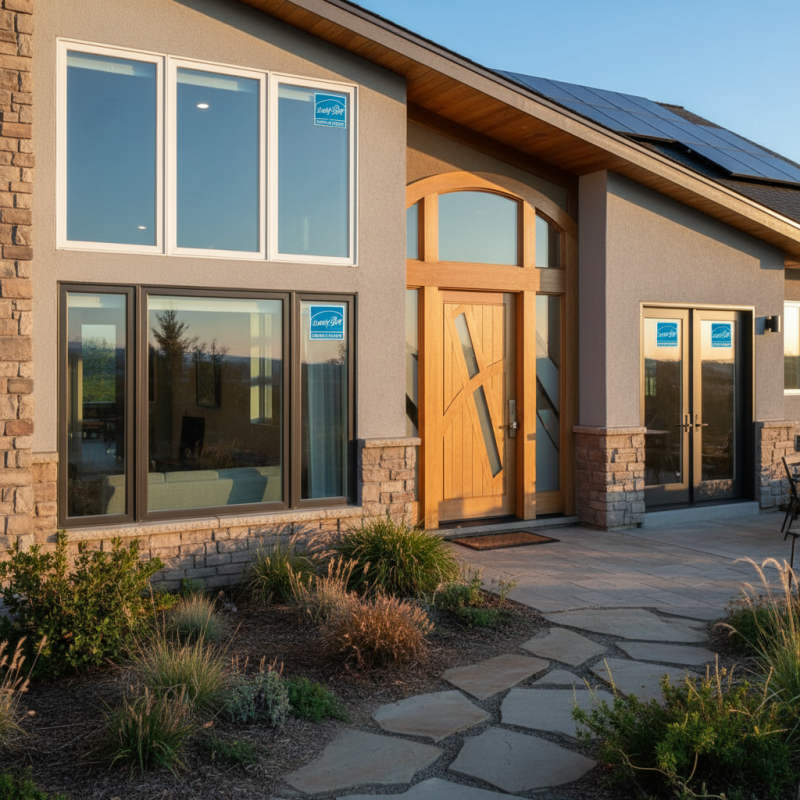
Energy efficiency is key. Look for windows and doors with high Energy Star ratings. Proper insulation plays a vital role in lowering energy costs. However, it’s easy to overlook these details when making a purchase. Homeowners often focus more on price and style, forgetting the importance of energy savings. Reflecting on these choices could lead to better long-term satisfaction.
Latest Trends in Windows and Doors Design for 2026
As we approach 2026, the design landscape for windows and doors is evolving. Homeowners seek more than just functionality. They desire aesthetics that harmonize with modern architecture. Natural light remains a priority. Large windows, particularly in unique shapes, capture attention. These designs enhance the openness of living spaces.
Sustainability is key in 2026. More people prefer eco-friendly materials. The use of reclaimed wood and recycled metals is on the rise. It's essential, however, to ensure that these materials are durable. Some products may not hold up over time. Homeowners should be aware of maintenance needs.
Color trends are shifting as well. Neutral tones remain popular, but bold colors are making a comeback. Deep blues and rich greens can add character. However, choosing overly bright shades might overwhelm a space. It's a delicate balance. Personalization is also important. Homeowners are weaving their stories into their choices, reflecting individual style. This trend invites reflection on how windows and doors can embody personal narratives.
Best Windows and Doors Trends for 2026
Energy Efficiency Standards to Consider for Windows and Doors
When considering windows and doors for 2026, energy efficiency is key. Many builders focus on materials that insulate well. Double or triple glazing is common. These layers trap air and reduce heat loss. Look for Low-E coatings as they reflect heat. These features can significantly lower energy bills.
Air leakage is another critical factor. Gaps around frames can lead to drafts. Proper sealing is essential to maintain indoor temperature. Energy Star ratings can guide your choices. They indicate compliance with strict energy guidelines. Be aware that efficiency doesn’t mean sacrificing aesthetics. Modern designs combine style with performance.
Furthermore, local climates impact your selections. For warmer areas, solar heat gain coefficients are vital. In colder regions, opt for windows that retain warmth. Even color choices can affect energy efficiency. Dark colors absorb heat, aiding lower heating costs. Sometimes, achieving the best performance requires trade-offs. That’s a point worth reflecting on when selecting your windows and doors. Choose wisely; long-term comfort and savings depend on it.
Materials Used in 2026 Windows and Doors: A Comparative Analysis
When considering windows and doors for 2026, material choice matters significantly. Traditional wood offers a classic appeal but requires regular maintenance. It can warp and decay over time. On the other hand, vinyl is known for its durability and low upkeep. However, its color options are somewhat limited, which might not match every home's style.
Aluminum frames are lightweight and strong. They resist rust and can be a sustainable option if recycled. Yet, they can conduct heat, which may lead to energy loss. Composite materials combine the best features of wood and plastic, ensuring strength and insulation. However, finding quality options can be tricky.
Beyond aesthetics, the environmental impact of materials is crucial. Eco-friendly choices can lower your carbon footprint. Research shows that recycled materials contribute to sustainability. However, not all consumers prioritize this. Some still favor the immediate look over long-term benefits. A thorough examination of materials is essential before making any decisions.
Smart Technology Integration in Modern Windows and Doors
In 2026, modern windows and doors are embracing smart technology. These innovations aim to enhance convenience and energy efficiency. Integrated sensors can monitor home conditions. For instance, windows may adjust tint based on sunlight, reducing glare and heat. Doors with smart locks allow for keyless entry. This is convenient for busy households.
However, not all smart features are perfect. Some devices may malfunction or require frequent updates. Homeowners need to consider compatibility with existing systems. The integration can sometimes complicate simple actions. Not everyone is tech-savvy, leading to frustration. It's essential to weigh these factors against the benefits.
Design is another important aspect. Many new windows and doors offer sleek, minimalist aesthetics. These can elevate a home’s curb appeal. Yet, some designs may sacrifice function for style. Balance between form and function is crucial. A beautiful door should still be secure and durable. As you explore options, think about how these technologies truly fit your lifestyle.
Regulatory Compliance and Building Codes for Windows and Doors in 2026
As we approach 2026, understanding regulatory compliance for windows and doors becomes crucial. New building codes are emerging, reflecting changes in safety and energy efficiency. These codes require more stringent testing for materials and designs. Homeowners should consider these aspects when selecting products.
Modern windows must meet higher energy performance standards. Insulation and air leakage are important factors. The performance ratings will dictate what is permissible for new constructions and renovations. Architects and builders should stay informed about these codes to ensure compliance.
There is room for improvement in materials used. Traditional glass windows might not cut it anymore. Innovative replacements are gaining popularity, but they require careful examination. Balancing aesthetics with compliance is a challenge. Homeowners should thoroughly research options and not rush decisions.