Top Toys Storage Boxes for Easy Toy Organization?
A tidy playroom can change how children play, clean up, and find their favorite things. The right Toys Storage Boxes should make that routine easier, not create another task for parents. A sturdy box beside the reading corner can hold wooden blocks, while smaller containers can keep puzzles, cars, and art supplies separated. These simple choices reduce searching and make the floor feel calmer.
Professional organizer and author Shira Gill says, “The goal of organizing is not perfection. It’s creating a space that supports the life you want to live.” That idea matters when comparing the Top Toys Storage Boxes for Easy Toy Organization. Practical design should guide the decision. Look for strong handles, smooth edges, stable bases, washable surfaces, and lids that children can open safely. Capacity matters, but oversized boxes may become messy “everything bins.”
Small details count.
In real homes, storage rarely stays perfect. A box may overflow after a birthday party. Labels may peel. Children may ignore color categories by Tuesday. That is normal, and it deserves honest consideration. The best system is flexible enough to recover quickly. This guide examines Toys Storage Boxes by material, size, safety, portability, and everyday usability. It also considers how each option works in bedrooms, playrooms, and shared living spaces. The goal is not a picture-perfect room. It is a manageable space where children can play freely and return toys without frustration.
Types of Toy Storage Boxes and Their Best Uses
Top Toys Storage Boxes for Easy Toy Organization?
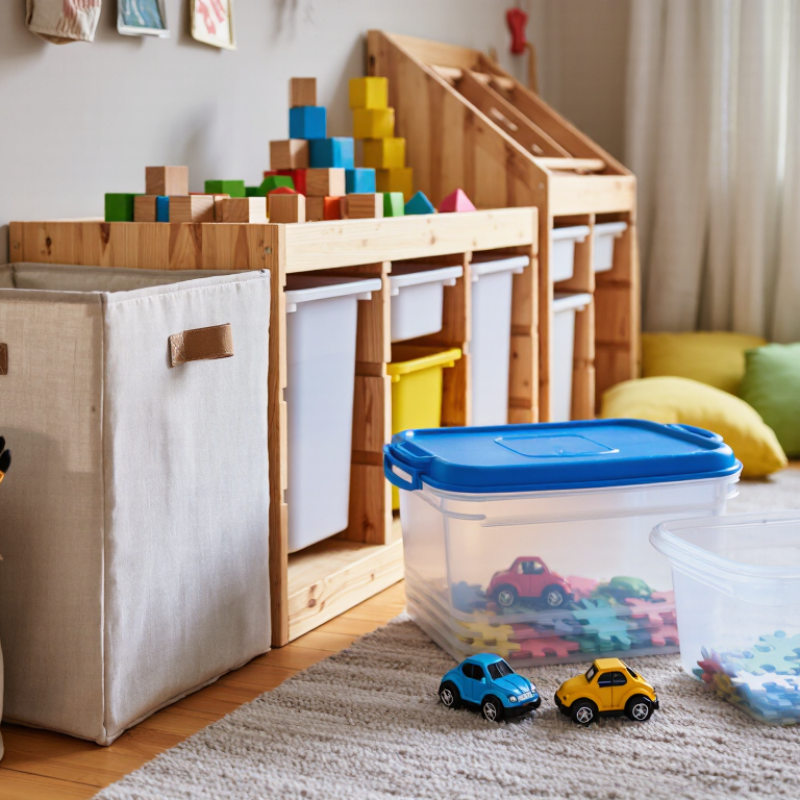
Toy storage boxes work best when their design matches the toy type and the child’s habits. Open bins suit large blocks, stuffed animals, and frequently used toys. Children can see the contents and return items quickly. Lidded boxes protect puzzles, craft supplies, and small figures from dust. They also reduce visual clutter in shared rooms. However, lids can slow cleanup when children are tired. I have noticed that convenience often matters more than perfect appearance.
Drawer-style boxes suit small toys, cards, and building pieces. Each drawer can hold one category, which makes sorting easier. Cube boxes offer flexible storage for books, dolls, and fabric containers. Rolling boxes are useful for heavy toys, but they need stable wheels and enough floor space. Choose smooth edges, sturdy handles, and materials that are easy to wipe. Avoid overfilling any container. A box that is difficult to lift may create frustration or minor handling risks.
Tips: Label boxes with words and simple pictures. Keep daily toys at child height. Store rarely used items higher, but keep access practical. Review the system monthly. Some categories will fail. That is useful information, not a mistake. If one box stays messy, its contents may need a larger container or a simpler grouping. Thin lids can also crack sooner than expected, so inspect them regularly.
Key Features for Choosing a Safe and Practical Storage Box
A safe toy storage box should make daily tidying easier, not create another household hazard. Look for rounded corners, smooth surfaces, and a lid that closes gently. Hinges should resist sudden slamming, especially around small fingers. Ventilation openings can help if a child climbs inside, but they must remain wide enough for airflow and too small for a child’s head to pass through. Always follow the product’s age guidance and weight limits.
Material matters. Choose a box with a clear safety description, low odor, and surfaces that can be wiped clean. Avoid loose parts, sharp decorations, and rough edges that may catch clothing or scratch skin. A lightweight box is practical for children, but it should not tip easily when pulled.
I once selected a deep container because it held more toys. It looked efficient, yet children struggled to reach the bottom and left toys scattered. That choice needed more thought.
Tips: Measure the storage area before buying. Test the lid with one hand. Check whether the box stays stable on the floor. Store heavier toys below lighter ones. Keep frequently used toys near the front. Inspect the box regularly for cracks, loose screws, or damaged hinges. Small defects can become larger problems. A transparent side or simple label can also help children return toys independently. Children may still ignore the system sometimes. That is normal. Adjust the setup instead of blaming the child.
How to Select the Right Toy Storage Box for Your Space
Choosing the right toy storage box starts with your room, not the product label. Measure the shelf, corner, or space beneath a bed. Leave several centimeters for easy removal. A tall box suits unused vertical space. Wide, shallow bins work better under low furniture. Clear walls help children find puzzles quickly, while fabric bins feel softer in bedrooms. The best box is not always the largest one. Oversized containers often become messy toy pits.
Tips: Sort toys by activity, size, and frequency of use. Keep daily toys within a child’s reach. Store heavier items on lower shelves. Choose sturdy handles and rounded edges. Avoid lids that can slam or trap small fingers. I still overbuy containers sometimes. More boxes do not always create better organization.
Safety should guide the final choice. The U.S. Consumer Product Safety Commission’s 2023 Toy-Related Deaths and Injuries report recorded more than 200,000 emergency-department injuries linked to toys. Its guidance reinforces age-appropriate design, secure construction, and careful small-parts management. Check the box’s weight rating before storing books or wooden toys. Ventilated storage can reduce trapped moisture in playrooms. For shared spaces, label each box with words and simple pictures. A 2023 market analysis by Grand View Research valued the global toys market at over 100 billion dollars, showing how quickly toy collections can grow. That scale makes flexible storage useful, but durable materials still matter more than fashionable finishes.
Top Toy Storage Boxes for Easy Toy Organization
Estimated usable capacity is based on typical storage-box dimensions and an 80% fillable volume, leaving room for easy access and sorting.
How to choose: Open cube bins work well for frequently used toys, lidded totes provide larger enclosed storage, under-bed boxes save floor space, and rolling chests are useful for high-capacity storage that needs to move.
Step-by-Step Methods for Organizing Toys Efficiently
Top Toys Storage Boxes for Easy Toy Organization?
Efficient toy organization starts with choosing storage boxes that match the child’s habits. I prefer open bins for daily toys because children can see and return items easily. Lidded boxes work better for puzzles, seasonal toys, or craft supplies. Choose sturdy containers with smooth edges and stable bases. A lightweight box is safer for children to move. Check hinges and lids regularly. A lid that drops quickly can pinch small fingers. Avoid overfilling each container. Children often abandon boxes that feel difficult to use.
Begin by collecting every toy in one clear area. Remove broken items and separate toys that need repair. Group the rest by function, such as building, pretend play, reading, and outdoor use. Place the most-used categories at child height. Add simple picture labels, even when children cannot read yet. Keep tiny pieces in a closed inner container. Store that container where younger children cannot reach it. I once arranged toys by color, and the room looked attractive. It failed because play sets became scattered across several boxes. Now, I store complete sets together and leave one empty box nearby. This small detail makes cleanup faster. Recheck the system each month. Children’s interests change, and a perfect arrangement rarely stays perfect.
Cleaning, Maintaining, and Updating Toy Storage Boxes
Cleaning a toy storage box should be a small weekly habit, not a dramatic weekend project. Empty one box onto a clean mat. Shake out crumbs, then wipe plastic or sealed surfaces with mild soap and warm water. Dry every corner completely. Damp lids can trap odors and encourage mold, especially in humid rooms. Fabric bins need vacuuming first. Follow their care labels.
Safety deserves more attention than appearance. The U.S. Consumer Product Safety Commission reported an estimated 231,000 toy-related emergency-room injuries among children under 15 in 2023. A cracked box, sharp edge, or loose hinge can add avoidable risk. Inspect handles, wheels, lids, and stitching each month. Remove broken containers promptly. Do not overload them; heavy boxes are difficult for children to move safely. Keep small parts away from younger children when age guidance requires it.
Update the system as play changes. Circana’s 2023 U.S. toy-industry data showed sales declined about 8%, reflecting changing household purchasing patterns. Fewer new toys does not always mean less clutter. Rotate seasonal items every few months, and label boxes with words and simple pictures. Keep daily toys at child height. Store rarely used puzzles higher. My own labeling system sometimes fails because categories become too specific. A “mixed pieces” box may be more realistic than six tiny compartments. Review it every season, donate usable duplicates responsibly, and replace labels when children’s interests shift.