Skip to content

Which Is the Best Tabletop Letterpress Machine in China?

Choosing the best Tabletop Letterpress machine in China depends on the work it must do. A compact press can print invitations, bookplates, and short-run cards, but size alone tells little. Check the platen’s usable area, impression consistency, adjustment range, and access to replacement parts. These details matter when a small job calls for crisp type and even pressure across the sheet.

A careful comparison should include the machine’s construction, operating method, and support from its supplier. Ask for a live demonstration or clear sample prints. Look closely at fine lettering, solid ink areas, and impressions near the edges. A machine may look sturdy in photographs and still need frequent adjustment. That is an easy detail to overlook. Confirm what is included, too: rollers, gauge pins, chase, and setup guidance can change the real value of a package.

No source article or verified expert quotation was provided, so I cannot responsibly invent a named specialist’s statement. A reliable guide should compare models against actual print samples and documented specifications, rather than repeat unsupported claims. The best choice may not be the fastest or cheapest press. It should suit your paper, expected volume, available workspace, and maintenance skills. Before deciding, consider one practical question: can you get consistent results, and help when the press needs attention?
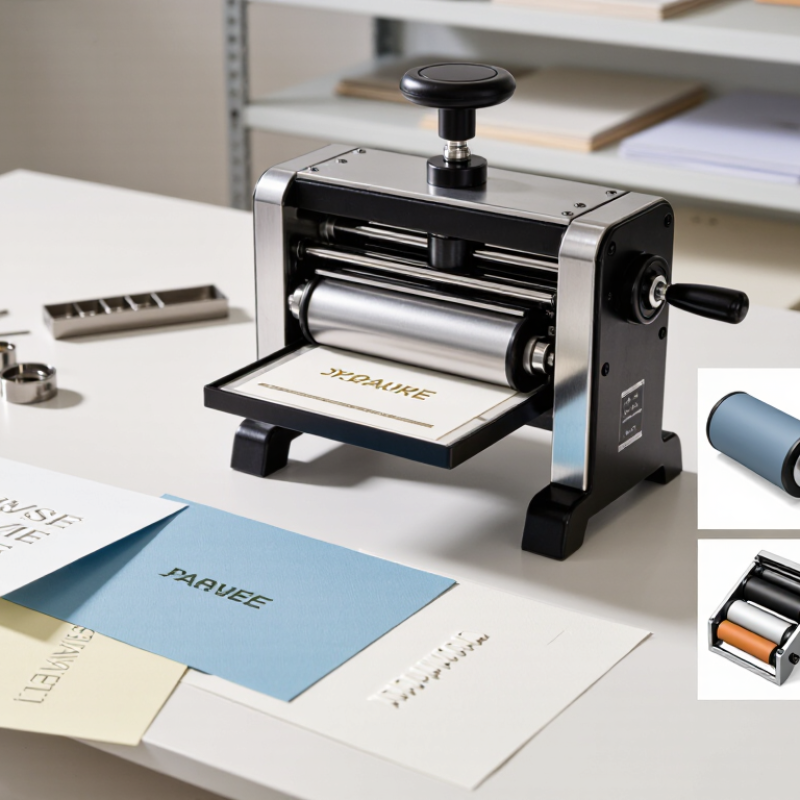
Which Is the Best Tabletop Letterpress Machine in China?

What Is a Tabletop Letterpress Machine?

A tabletop letterpress machine is a compact press designed to print raised images or type onto paper. Ink coats the raised surface of a plate, then pressure transfers the design to the sheet. The result often has crisp edges and a tactile impression. Small, but capable. Unlike a digital printer, it needs careful setup, including plate alignment, ink distribution, and pressure adjustment. The process is hands-on, and small changes can affect the finished print.

These machines suit short print runs, cards, invitations, labels, and small art projects. Common types use a platen or a roller system, and each applies pressure differently. When comparing machines made in China, check the usable print area, compatible plate materials, adjustment range, and availability of operating instructions. A compact frame can save workspace, but it may limit the size or thickness of materials you can feed through. Specifications do not always show how easy a press is to adjust; that part deserves a closer look.

Tips: Start with a small test sheet. Use even ink and check plate alignment before printing a full batch. Keep notes on pressure and paper, since results can vary. My own caution: a strong impression is not always a better one; too much pressure can damage paper or type.

How Does a Tabletop Letterpress Machine Work?

A tabletop letterpress machine transfers ink from a raised printing surface onto paper using controlled pressure. The operator arranges type or a relief plate, applies a thin layer of ink, and places paper against the printing surface. A lever, screw, or handwheel closes the press, bringing the paper and inked surface together. That pressure creates the impression.

The process is simple to describe, but setup takes care. Even ink coverage matters: too much can fill small letter spaces, while too little leaves pale areas. A sheet of packing material behind the paper can help adjust impression depth. Make a test print. Check the edges, spacing, and pressure marks before printing a full batch. Paper thickness and texture also change the result, so settings rarely transfer perfectly between stocks. Small tabletop presses can produce crisp work, though their compact size limits sheet area and production speed. A slightly uneven first print is not unusual; it is useful feedback for the next adjustment.

Which Features Matter When Comparing Machines in China?

When comparing tabletop letterpress machines in China, start with the work you actually produce. Check the chase or platen size against your largest design, then test pressure across the full printing area. A crisp impression in the center is not enough. Fine type near the edges can expose uneven pressure or a loose platen. Ask for a live sample on your own paper stock, if possible. Record setup time, registration accuracy, and how easily pressure can be adjusted. That matters more than a headline speed figure for short, varied jobs.

The Smithers report The Future of Global Printing to 2028 valued the global print market at about US$818.4 billion in 2022 and projected growth to US$846.3 billion by 2027. This broad market estimate does not rank letterpress machines, but it highlights why flexible production remains relevant. For a small workshop, inspect frame rigidity, guarding, footprint, power requirements, and access to replacement parts. Ask how routine maintenance is performed, and whether local technical support can explain it clearly. Listen for consistent movement during a test run. A little vibration may be normal; uneven impressions are not. I would still want repeated samples before choosing. One polished demonstration can hide awkward adjustments.

What Types of Tabletop Letterpress Machines Are Available in China?

China’s tabletop letterpress options are best understood by their printing motion and level of assistance. Manual platen presses use a hinged bed and platen; the operator feeds each sheet and applies pressure by hand or lever. They suit short runs, embossing tests, and small type layouts. Small is not simple. Consistent impression depends on careful packing, even pressure, and accurate sheet placement.

Powered platen presses add motor-driven cycles, reducing repetitive effort while keeping sheet feeding manual on many models. Compact proofing presses use a roller or cylinder across a flat bed, making them useful for checking type, ink coverage, and registration before a run. But labels can mislead: “proof press” describes a testing role, not one fixed design. Smithers’ The Future of Global Printing to 2028 estimated global print value at about US$818 billion in 2022, with growth projected through 2027. That broad figure is not a tabletop-machine sales measure. When comparing Chinese suppliers, ask for the chase size, printable area, maximum stock thickness, spare-part availability, and a test impression on your intended paper. A crisp result on thin stock may not repeat on textured sheets. That distinction matters.

Which Is the Best Tabletop Letterpress Machine in China? - What Types of Tabletop Letterpress Machines Are Available in China?

Machine Type How It Works Typical Applications Main Advantages Points to Check Before Buying Best Suited For
Manual tabletop platen press A hand lever or comparable manual mechanism brings a flat platen against the type or printing plate. Small letterpress jobs such as cards, stationery, labels, and short-run proofs, subject to the press’s chase and print-area limits. Does not require a powered drive; offers direct operator control and can be suitable for low-volume work. Check the maximum printing area, platen alignment, impression adjustment, compatible type or plate height, and availability of replacement parts. Studios, workshops, and printers producing small batches or learning platen presswork.
Motorized tabletop platen press A powered drive cycles the platen; feeding and removing sheets may still require manual operation, depending on the design. Repeated small-format jobs where a powered press is appropriate and the operator can follow the machine’s safety and feeding procedures. Reduces the need to operate the press by hand for each cycle and may support a steadier production rhythm. Confirm power requirements, guarding and emergency-stop provisions, operating instructions, service support, and whether feeding is manual or automated. Print shops needing powered operation for recurring short-run work.
Tabletop flatbed proof press Type or a plate is secured on a flat bed, and a roller or pressure mechanism transfers ink to the paper. Proofing type and relief plates, testing layouts, and making small editions where the press’s format and pressure capacity are sufficient. Provides a practical way to test ink, type, and impression without setting up a production-size press. Check bed dimensions, roller condition and adjustment, pressure consistency, and compatibility with the intended paper and plate materials. Printers and educators focused on proofing, experimentation, or modest-format relief printing.
Compact cylinder proof press A cylinder rolls across a flat bed carrying the type or plate to make an impression on the sheet. Relief-printing proofs and small-format work; actual capacity depends on the bed, cylinder, and machine construction. The rolling impression can be useful for proofing and may suit work that benefits from a traveling cylinder rather than a closing platen. Verify the usable bed area, cylinder condition, pressure adjustment, machine footprint, and whether the model is genuinely sized for tabletop use. Users who need a compact proofing setup and have confirmed that the model fits their workspace and print requirements.

Selection note: There is no single best type for every buyer. Choose by print area, job volume, available power, operator experience, workspace, safety features, and access to parts and service. Names and specifications can vary among suppliers; request a specification sheet and a sample impression before purchase.

How Can Buyers Choose the Best Machine for Their Needs?

Choosing the best tabletop letterpress machine starts with the work it must handle. Match the platen size to your largest regular job, not an occasional oversized project. Check whether impression pressure adjusts evenly across the bed. Uneven pressure can leave one edge pale while the other prints too heavily. Ask for a live demonstration using your paper, type, and ink. A polished sample may hide setup difficulties. Small details matter.

Before buying, measure the machine’s footprint and confirm the table can support its weight without wobbling. Feed several sheets of your actual stock during a test, including the thickest paper you expect to use. Watch for slipping, inconsistent registration, and changes in impression from sheet to sheet. Request written specifications for print area, adjustment range, included tooling, and replacement parts. Compare these details with your production needs, rather than relying on maximum speed alone. Ask how maintenance is taught and how quickly technical questions receive a useful answer. There is no perfect specification sheet; a compact machine may save space but limit larger work. Leave room for imperfect learning, too—operator skill and setup time affect results. Check the delivery packaging and installation requirements before confirming an order.