Skip to content

7 Best Pharmaceutical Checkweigher Machines?

Choosing a Pharmaceutical Checkweigher is not just a matter of speed. It is about consistent fill control, dependable records, and smooth integration with the production line. On a busy line, even small weight variations can trigger rejects, slowdowns, or costly investigations.

The scale of medicine-quality concerns makes careful control important. The World Health Organization’s 2017 study estimated that about 10.5% of medical products in low- and middle-income countries were substandard or falsified. That figure does not measure checkweigher failures, and a checkweigher cannot verify a product’s identity or potency. It does show why accurate, documented manufacturing controls matter. FDA current good manufacturing practice requirements also call for appropriate controls and records, including under 21 CFR Parts 211.68 and 211.103.

Equipment selection needs more than a brochure speed. PMMI’s 2024 State of the Industry report discusses automation and data connectivity across packaging operations—both relevant when evaluating inspection equipment. This guide compares seven machines by weighing accuracy, throughput, product handling, reject systems, and integration options. Look closely at changeover details, too: a narrow bottle or a light carton can expose weaknesses that a showroom demonstration may miss. Small differences matter. No single model suits every line, and published specifications still need validation with real products.
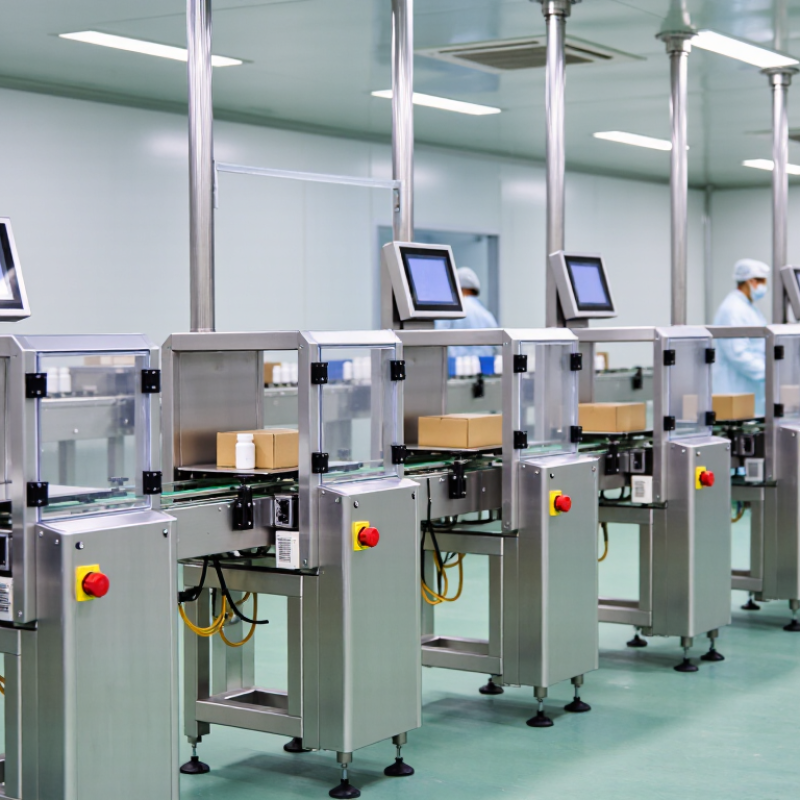
7 Best Pharmaceutical Checkweigher Machines?

What Pharmaceutical Checkweighers Measure in Drug Manufacturing

In drug manufacturing, a checkweigher measures the weight of each passing package, such as a tablet bottle, sachet, or blister pack. It compares each reading with preset weight limits. Packages outside those limits can be flagged or removed from the line. This helps identify missing tablets, incomplete fills, or unexpected weight changes. Small differences matter. The machine checks weight, not a medicine’s identity, strength, or purity. Those require other controls.

Tips: Check that the system is set for the correct package and product. Review test weights and tare settings during changeovers. Keep the conveyor clear, since vibration or product buildup can affect readings. Record results and investigate repeated outliers rather than adjusting limits casually.

A checkweigher can also track weight trends across a production run. A gradual shift may point to a filling issue before many packs fall outside limits. However, weight alone does not explain the cause. Packaging variation, line speed, and environmental conditions can influence readings. Operators should interpret the data alongside other process checks. One practical detail is easy to overlook: a stable average can hide occasional underweight packs, so individual readings still matter. The machine is useful, but it is not a substitute for sound process monitoring.

7 Best Pharmaceutical Checkweigher Machines? - What Pharmaceutical Checkweighers Measure in Drug Manufacturing

These are seven common pharmaceutical checkweigher configurations, organized by package type—not a ranking of specific products. A checkweigher measures package mass and compares it with a configured target or tolerance; it does not identify a drug or directly verify its chemical composition.

Configuration Typical package or product What it measures Typical use in drug manufacturing Important limitation
Blister-carton checkweigher Carton containing one or more blister cards The gross mass of each completed carton against its target range Screens for potential missing or extra components, such as a blister card or leaflet A weight result can flag a discrepancy but cannot identify which component is missing.
Bottle-line checkweigher Filled bottle, optionally with closure and label Bottle-package mass, commonly checked against an established target or reference Detects bottles outside configured weight limits, which may indicate a fill or packaging issue Packaging mass variation can affect the result; weight alone does not confirm tablet identity or count.
Sachet and stick-pack checkweigher Powder, granule, or other product in a sealed flexible pack Individual pack mass; net product mass may be determined when tare is known or separately accounted for Checks pack-to-pack weight consistency after filling and sealing The check is by mass, not by direct measurement of product volume or ingredient composition.
Vial checkweigher Liquid- or powder-filled vial, with or without a closure Vial-package mass; fill mass can be estimated when tare and other package components are controlled Screens filled vials for mass deviations and supports fill-process monitoring Mass is not volume. Converting a mass result to volume requires appropriate product-density information.
Ampoule checkweigher Sealed glass ampoule containing a liquid dose Finished ampoule mass compared with the applicable target or limits Checks for mass variation after filling and sealing Glass and tare variation must be considered when interpreting finished-unit mass.
Pre-filled syringe checkweigher Pre-filled syringe, often handled in a supported nest or carrier Syringe or carrier-package mass, depending on the line setup and tare method Screens units for weight deviations while accommodating delicate products and handling formats Carrier mass and handling conditions can influence the measurement; mass does not verify sterility or dose identity.
Case and shipper checkweigher Grouped cartons or a sealed shipping case Total case mass compared with the expected range for the configured pack arrangement Checks completed cases for potential shortages or packing inconsistencies before dispatch It checks aggregate mass; it may not locate a missing item within the case.

Actual weighing range, resolution, throughput, and reject limits depend on the product, package, conveyor setup, and validated process requirements. Limits should be established and verified for the specific production line.

How Checkweighers Work on Pharmaceutical Production Lines

On pharmaceutical production lines, a checkweigher verifies the weight of individual bottles, cartons, or other finished packs while they move along a conveyor. A load cell measures each item, and the system compares the result with a preset target and acceptable range. Packs outside that range can trigger an alarm or an automatic reject mechanism. Good packs continue downstream. Small details matter.

Stable results depend on more than the scale. Line vibration, uneven product flow, and incorrect settings can affect readings. Operators typically check the machine with known test weights and confirm that rejected packs are removed correctly. They should also review weight data for repeated shifts or drift, rather than treating every out-of-range reading as an isolated event. The setup may look straightforward, but real production lines are rarely perfect.

Tips: Keep the conveyor clear and use consistent pack spacing. Verify settings after product or format changes. Record test results, and investigate recurring errors before adjusting limits. A checkweigher supports process control; it does not replace careful filling practices or routine equipment checks.

Features and Standards Used to Compare Checkweighers

Comparing pharmaceutical checkweighers starts with the product and production line, not a headline accuracy figure. Record the lightest and heaviest packs, target speed, container shape, and expected spacing. Request repeatability data across that range at normal line speed. A system that handles rigid bottles well may behave differently with flexible pouches. Small details matter. Compare weighing range, division size, belt width, and reject confirmation.

Assess reject timing, alarms, line-stop options, and integration with upstream and downstream equipment. Check that guards and product-contact materials suit the cleaning routine. Review applicable metrology requirements, such as OIML R 51 where relevant, alongside your site’s GMP procedures. For electronic records, examine access controls, audit trails, backups, and validation needs. Requirements depend on how the system is used. No single score tells the whole story.

Tips: Test representative packs on the actual line, including start-up and speed changes. Test it live. Keep records of calibration checks, challenge tests, and rejected-pack verification. A neat specification sheet can still miss awkward handoffs or unstable product flow, so leave room for practical trials.

Pharmaceutical Checkweigher Comparison: USP <905> Weight-Variation Limits

For applicable tablets and capsules, USP <905> specifies these percentage limits for individual unit weights based on the average unit weight.

These are pharmacopeial weight-variation limits, not checkweigher accuracy specifications or recommended machine reject settings. Applicability depends on the dosage form and the USP method requirements; confirm the current official text and validate checkweigher settings for the specific product and process.

Seven Pharmaceutical Checkweigher Machines and Their Best Uses

7 Best Pharmaceutical Checkweigher Machines?

Seven Pharmaceutical Checkweigher Machines and Their Best Uses

Pharmaceutical checkweighers catch mass deviations, not contamination or counterfeit products. The WHO’s 2017 global surveillance report estimated that one in ten medical products in low- and middle-income countries is substandard or falsified. A weight check cannot detect every quality risk. It can, however, flag missing tablets or incomplete packs.

A high-speed bottle checkweigher suits tablet and capsule lines with steady output. Carton checkweighers catch missing blister cards or leaflets. Sachet checkweighers suit powders and granules, where seal and fill consistency matter. Multi-lane models weigh stick packs across several lanes, helping teams locate a drifting filler. Compact bench units fit small batches and frequent product changeovers. They are slower, but easier to place near the process.

Washdown checkweighers suit wet-cleaning areas and products packed in damp environments. Combination checkweigher-metal detector systems check mass and detect metal in one pass; each function still needs separate verification. Reject-confirmation models suit automated lines, confirming that flagged packs actually leave the conveyor. That detail is easy to overlook. FDA regulation 21 CFR 211.68 calls for routine calibration, inspection, or checks of automated equipment under a written program. Select a model by pack format, line speed, cleaning needs, and reject handling, then challenge it with known underweight and overweight samples.

How to Select, Validate, and Maintain a Checkweigher

A pharmaceutical checkweigher should match the product, pack format, and required line speed. Check the smallest and largest expected fills, not just the typical pack. Compare belt width, weighing range, reject response, and changeover time. Small details matter. A tall bottle may wobble; a light pouch may flutter in airflow. Both can distort readings. OIML R 51 provides accuracy classes and maximum permissible errors for automatic catchweighers. Use it to frame equipment comparisons, then set acceptance limits for your actual product and process. USP–NF General Chapter <41> sets a 0.10% accuracy criterion for balances. That is a useful benchmark, not a checkweigher specification.

Validate the complete line under realistic conditions: run representative packs at normal speed, then test low- and high-weight limits. Challenge the reject system with known test packs and confirm each is removed and recorded. Keep results, settings, and deviations traceable. FDA 21 CFR 211.68 calls for routine calibration, inspection, or checks of automated equipment; document the frequency and evidence. For maintenance, inspect belts, guides, load-cell connections, and reject mechanisms on a defined schedule. Recheck performance after repairs or product changeovers. A check that passed yesterday can drift today. I have seen teams focus on the scale and overlook a sticky reject gate; the record looked tidy, but the pack still travelled downstream. Regular review of alarms and trend data helps reveal gradual drift before it becomes a recurring problem.