Choosing the best Anti-Cavity Toothpaste suppliers in China requires more than comparing prices or browsing polished product pages. A reliable supplier should demonstrate controlled manufacturing, consistent ingredients, clear documentation, and practical experience with international buyers. Factory photographs can help, but they cannot replace an audit, product samples, or batch records.
This guide examines Chinese suppliers through measurable details, including fluoride specifications, flavor consistency, packaging quality, production capacity, and private-label support. A serious manufacturer should explain its testing process and provide current certificates from recognized laboratories or certification bodies. Buyers should also confirm whether the supplier follows applicable toothpaste, cosmetic, labeling, and import requirements in the destination market. Standards change. Assumptions create risk.
Small details matter. Check whether the tube cap closes smoothly, whether the paste separates after storage, and whether cartons remain dry during shipping. Ask for samples from different production batches, not only one carefully prepared package. Request ingredient lists, stability information, microbial test results, and transparent lead-time estimates. These steps reveal more than a sales brochure.
There is no universal “best” supplier. A factory suited to a supermarket chain may not fit a dental clinic or a small online brand. Low prices may reflect efficient production, but they can also hide weaker support or inconsistent quality. Supplier websites may omit important limitations. That deserves attention.
The following sections compare leading Chinese Anti-Cavity Toothpaste suppliers based on product expertise, manufacturing capability, quality evidence, communication, customization, and buyer reliability. The goal is not to promote a single company. It is to help readers make a defensible decision using evidence, realistic expectations, and careful verification.
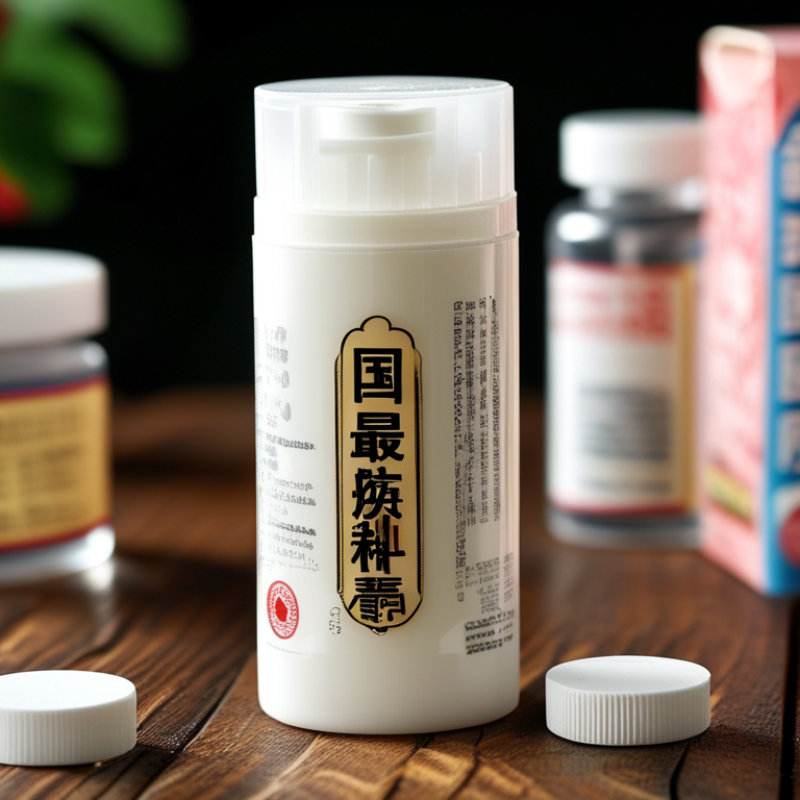
A reliable anti-cavity toothpaste supplier in China should offer more than attractive pricing. They need clear formulation records, stable fluoride levels, and documented safety testing. Ask for ingredient specifications, microbial reports, stability data, and production samples before discussing large orders. A capable factory should also explain its quality process in simple, direct language.
Factory visits can reveal useful details. Check whether raw materials are labeled, production areas are clean, and batch records are complete. Certifications may support credibility, but they should match the actual facility and product. Traceability matters. If a complaint appears, the supplier should identify the affected batch quickly. Communication matters too, especially when adjusting flavor, texture, packaging, or target-market requirements.
Tips: Request samples from different batches. Compare taste, foam, smoothness, and packaging accuracy. Confirm minimum order quantities and lead times in writing. Ask how rejected products are handled. No supplier is perfect. A minor delay may happen, but vague answers and repeated document gaps deserve careful attention. I would also avoid choosing the lowest quote immediately; cheaper production can sometimes mean thinner testing or weaker support. Good suppliers welcome reasonable questions, even uncomfortable ones.
When comparing anti-cavity toothpaste suppliers in China, evaluate the formula before the packaging. Fluoride content is a key detail. Check the stated concentration and confirm it matches the target market’s requirements. Calcium-based ingredients may support enamel care, but their performance depends on particle size and formulation stability. Look for clear testing records, batch numbers, ingredient specifications, and shelf-life data. A pleasant mint flavor helps, but it should never hide weak technical evidence.
Abrasivity also deserves attention. Excessive abrasiveness may feel “extra clean” while creating long-term concerns for sensitive teeth. Ask suppliers for standardized laboratory results, compatibility testing, and microbial control procedures. Packaging should protect the paste from moisture, heat, and contamination. During supplier evaluation, request production samples from different batches. One sample can look excellent. That proves little. I would also review factory quality systems, worker training, complaint handling, and documentation accuracy. These details often reveal whether a supplier is dependable.
Tips: Compare three samples under the same conditions. Check texture after storage at room temperature and higher heat. Read the full ingredient list, not only the front label. Ask whether test reports are recent and traceable. A small mistake in flavor, viscosity, or label wording can affect consumer trust. My checklist is not perfect, so independent laboratory review remains worthwhile for important orders.
Fluoride concentration is a primary technical benchmark when evaluating anti-cavity toothpaste suppliers. Representative regulated formulations commonly provide approximately 1,000–1,100 ppm fluoride ion, depending on the active ingredient. Supplier evaluations should also verify fluoride stability, laboratory testing, regulatory documentation, packaging compatibility, and consistent batch quality.
China’s anti-cavity toothpaste supply base is not one single factory group. The strongest options usually fall into three types: OEM/ODM plants, specialist oral-care manufacturers, and export trading companies. OEM/ODM plants offer faster customization, from fluoride levels to tube artwork. Specialist manufacturers often provide stronger formulation records and stability testing. Trading companies can simplify sourcing, but factory visibility may be weaker.
The World Health Organization’s Global Oral Health Status Report estimates that 2.5 billion people have untreated caries in permanent teeth. This demand makes fluoride concentration, testing, and production consistency important. Ask suppliers for ingredient specifications, batch records, stability data, and evidence supporting cavity-protection claims. China’s toothpaste regulatory framework also expects efficacy claims to be supported by evidence. A polished sample is not enough. I would review three production batches when possible, because one excellent sample can hide uneven quality.
Tips: Check the factory license. Request an audit video or visit. Confirm fluoride testing through an independent laboratory. Compare delivery records, not only prices. A low quotation may exclude testing, packaging changes, or export documentation. That mistake is easy to make. The best supplier type depends on your volume, target market, and need for formulation control. Overlooking after-sales communication can become expensive.
What Are the Best Anti Cavity Toothpaste Suppliers in China?
When comparing anti-cavity toothpaste suppliers in China, begin with documented quality systems. The WHO Global Oral Health Status Report states that about 2.5 billion people have untreated caries in permanent teeth. This makes formulation accuracy and batch consistency critical. Ask for ISO 9001 records, cosmetic GMP evidence, product specifications, and recent third-party audit reports. ISO 22716 guidance can also support stronger manufacturing controls. However, certificates alone can mislead. Check their issuing body, validity period, and covered factory address.
Review the active ingredient carefully. Confirm fluoride type, concentration, testing method, and stability results. Request a complete Certificate of Analysis for several production batches, not one attractive sample. Production capacity needs equal attention. Ask for monthly output, filling-line speed, minimum order quantity, lead time, and backup equipment. A factory claiming high capacity may still struggle during peak seasons. Visit the plant, if possible. Examine raw-material storage, batch coding, water treatment, and finished-goods quarantine areas. These details reveal operational discipline better than a brochure.
Tips: Compare at least three suppliers using the same checklist. Request retention samples and independent testing before approval. Verify current Chinese regulatory filings and destination-market requirements. Do not select only by price. A cheaper formula may create higher testing, recall, or reformulation costs. I would also record every supplier promise in the purchase agreement. Verbal assurances are easy to forget, and supplier capacity can change after the first order.
| Evaluation Dimension | Recommended Benchmark | Documents or Data to Request | Why It Matters | Suggested Weight |
|---|---|---|---|---|
| Chinese regulatory compliance | Products should comply with the applicable requirements of China’s toothpaste regulations and the national toothpaste standard GB 8372-2017. | Product formula, specification, compliance assessment, filing information, and current product labels. | Confirms that the toothpaste can be legally manufactured and marketed in the intended jurisdiction. | 20% |
| Anti-cavity active ingredient | The active ingredient and concentration should be clearly specified, legally permitted for the target market, and supported by analytical testing. | Full ingredient list, active-ingredient specification, assay method, batch test results, and stability data. | A declared active ingredient is not sufficient unless its identity, concentration, and stability are controlled. | 15% |
| Quality management system | A valid ISO 9001 certificate with a scope covering toothpaste or personal-care product manufacturing is preferred. | Certificate number, certification scope, validity period, issuing body, and latest audit status. | Indicates whether documented processes exist for purchasing, production, inspection, corrective action, and traceability. | 10% |
| Cosmetic GMP and hygiene controls | The facility should operate documented hygiene, sanitation, personnel, pest-control, water-quality, and environmental-monitoring procedures. ISO 22716 alignment is an advantage. | GMP certificate or audit report, sanitation procedures, environmental monitoring records, and water-testing reports. | Reduces contamination risk and supports consistent product quality. | 10% |
| Laboratory and release testing | Each production batch should be released against defined physical, chemical, microbiological, packaging, and active-ingredient requirements. | Certificate of analysis, microbiological results, pH, appearance, viscosity, active assay, and retain-sample procedure. | Shows that quality is verified before shipment rather than relying only on final visual inspection. | 15% |
| Production capacity | Compare installed annual capacity, current utilization, number of production lines, filling formats, and available capacity for the requested launch period. | Equipment list, line specifications, recent monthly output, utilization rate, planned maintenance, and capacity reservation policy. | Installed capacity alone may not reflect the supplier’s actual ability to meet delivery schedules. | 10% |
| Batch traceability | Raw materials, packaging components, production records, laboratory results, and finished goods should be traceable by batch or lot number. | Sample batch record, lot-code format, raw-material receiving records, recall procedure, and retain-sample policy. | Supports rapid investigation and controlled product recall when a quality issue occurs. | 8% |
| Stability and shelf life | Shelf-life claims should be supported by real-time or accelerated stability studies using the final formula and packaging configuration. | Stability protocol, test conditions, results over time, packaging compatibility data, and proposed expiry period. | Helps preserve active-ingredient performance, texture, flavor, and packaging integrity throughout storage. | 5% |
| Customization and minimum order quantity | The supplier should provide clear minimum order quantities, formula-development stages, packaging options, sampling costs, and production lead times. | Quotation, MOQ by packaging format, sample approval process, tooling requirements, and lead-time schedule. | Allows the buyer to compare total launch cost and commercial flexibility, not only unit price. | 4% |
| Delivery and supply continuity | Evaluate historical on-time delivery, raw-material availability, backup suppliers, safety-stock practices, and business-continuity planning. | Delivery performance records, procurement lead times, contingency plan, and forecast-order policy. | A technically capable supplier may still fail if materials, labor, or production slots are not secured. | 3% |
Selecting the right Chinese toothpaste supplier starts with product evidence, not a polished catalogue.
The WHO Global Oral Health Status Report 2022 estimates that 2.5 billion people have untreated caries in permanent teeth. This demand makes quality control essential.
Ask suppliers to provide fluoride assay results, microbial testing, heavy-metal reports, stability data, and batch-level certificates. Confirm whether testing comes from an accredited independent laboratory.
Check the formula against your target market’s rules. The Cochrane review on fluoride toothpaste supports regular use of fluoride formulations for reducing caries, but active levels and claims require local verification.
Ask the factory to explain fluoride source, concentration, pH, abrasivity, and storage conditions. Small details matter.
Request pilot samples in your intended tube, cap, and carton. Then inspect filling accuracy, seal strength, printing clarity, and taste consistency across batches.
Review the supplier’s manufacturing controls before discussing price.
ISO 22716-based cosmetic GMP procedures and ISO 11609 dentifrice requirements can provide useful benchmarks, though certification alone proves little.
Verify factory ownership, production capacity, complaint handling, recall procedures, and NMPA filing status where applicable. Check export documents for your destination country.
A video tour is helpful, but an on-site or independent audit is stronger.
One weakness is often overlooked: a perfect sample may not represent routine production. Require three separate batch samples and compare their test results before signing a long-term agreement.