7 Tips for Buying a Steam Humidifier?
Choosing a steam humidifier is more complicated than comparing prices and tank sizes. The right model must match your room, heating system, water quality, and daily habits. A unit that looks powerful online may produce excessive moisture in a small bedroom. That can create condensation on windows, damp surfaces, and uncomfortable air.
This guide explains seven practical tips for making a safer, more informed purchase. It considers moisture output, energy use, controls, cleaning requirements, noise, installation, and warranty support. Look for clear technical specifications and independent product testing whenever possible. A reliable manufacturer should explain maintenance intervals, replacement parts, and built-in safety features. These details matter.
Real-world use also deserves attention. A steam humidifier may improve dry winter air, but it still needs regular cleaning and sensible humidity settings. Follow the manufacturer’s instructions carefully. Water minerals can collect inside the system, especially in hard-water areas. That small issue can become expensive.
Do not trust every impressive claim. Some product descriptions focus on speed while ignoring operating costs. Others promise effortless maintenance, which may not match everyday experience. Check the controls, listen for operating noise, and consider who will service the unit later. A professional installer can also identify electrical or ventilation requirements before purchase.
The best choice is not always the most powerful model. It is the one that delivers appropriate humidity consistently, safely, and affordably. Use these tips to compare products with patience, evidence, and a little skepticism.
Understanding How Steam Humidifiers Work
7 Tips for Buying a Steam Humidifier
Understanding How Steam Humidifiers Work
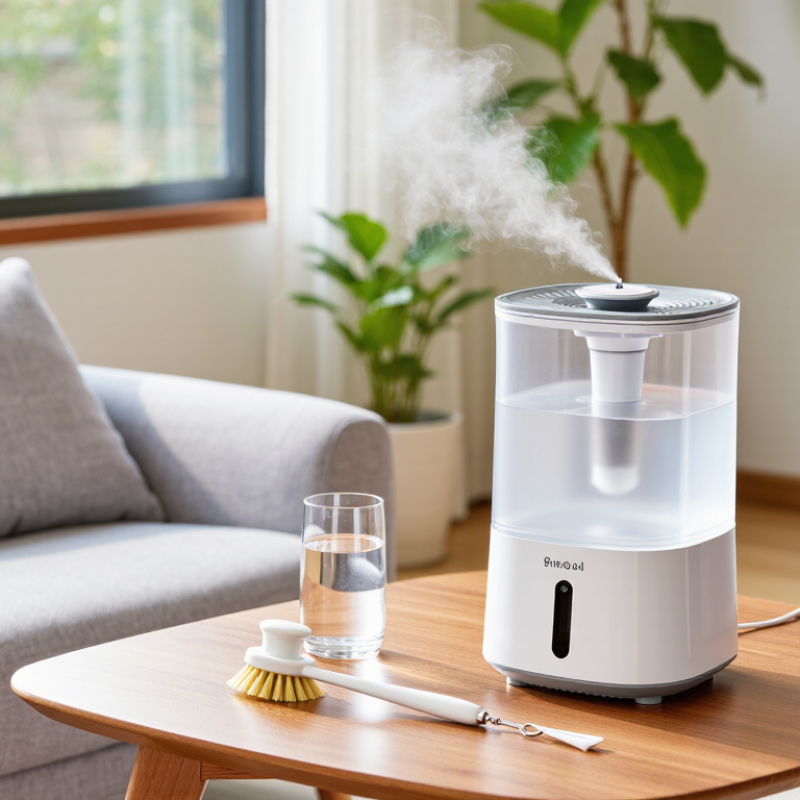
A steam humidifier heats water until it becomes vapor. A fan or HVAC system then distributes that warm moisture through indoor air. Unlike evaporative units, it does not depend on a wet filter or room airflow alone. This can provide steady humidity, even during cold weather when dry air feels sharp against your skin.
Before buying, check the unit’s output, water capacity, and control method. A built-in humidistat measures moisture and helps prevent excessive humidity. Aim for roughly 30–50% indoor relative humidity, depending on the season and your home’s condition. A small room unit may suit a bedroom, while a whole-home model usually needs professional installation. I once underestimated room size, and the result was weak humidity near the far wall.
Maintenance still matters. Mineral deposits can collect inside the heating chamber, especially with hard water. Look for clear cleaning instructions, accessible parts, and automatic shutoff protection. Keep the device away from children and flammable materials. A qualified technician should inspect electrical connections and duct integration. Energy use is another practical concern, because boiling water requires more power than some alternatives. Check independent safety certifications and read the installation manual carefully. I would not choose the highest output automatically; oversized equipment can create damp windows, musty odors, or hidden moisture problems.
Identifying the Right Humidifier Size for Your Space
7 Tips for Buying a Steam Humidifier?
Identifying the Right Humidifier Size for Your Space
Choosing a steam humidifier starts with moisture output, not cabinet size. Measure room length, width, and ceiling height. Measure the ceiling. Multiply floor area by ceiling height to estimate air volume. A 500-square-foot room with eight-foot ceilings needs less moisture than one with twelve-foot ceilings. High ceilings matter.
Check winter dryness, insulation, window area, and fresh-air exchange. These details can double demand. A tightly sealed bedroom behaves differently from a drafty open-plan room.
Tip 1: Calculate each zone separately.
Tip 2: Check the unit’s rated output in pounds or gallons per day.
Tip 3: Compare that output with a room-by-room load calculation.
Professional HVAC sizing also considers outdoor design temperature and ventilation.
Tip 4: Ask a qualified technician to verify whole-house estimates. My own rough estimates have been wrong when leaky windows were overlooked. Do not guess.
Tip 5: Choose adjustable controls, because weather changes quickly.
Tip 6: Place the humidity sensor away from doors, vents, and direct steam.
Tip 7: Watch cold windows during the first week.
Persistent droplets suggest excessive humidity, while dry wood or static may indicate insufficient output. An undersized unit can run constantly. An oversized unit may encourage condensation on cold glass. Neither result is ideal.
Checking Installation Requirements and Maintenance Needs
7 Tips for Buying a Steam Humidifier?
A steam humidifier needs more than a nearby electrical outlet. Check the required voltage, amperage, and dedicated circuit before purchasing. Many units also need a water line, drain connection, and control wiring. Measure the installation space carefully. Leave room for service access and safe airflow around the cabinet. An undersized circuit is a serious problem. Do not guess. A qualified HVAC electrician or technician should confirm the connections and local requirements.
Water quality strongly affects maintenance. Hard water can leave mineral deposits inside the steam cylinder and reduce performance. Ask whether the unit supports treated water or requires a specific filtration method. Check the price and availability of replacement cylinders, filters, sensors, and drain components. Some systems need regular flushing. Others require seasonal inspections. A technician should inspect wiring, valves, and drain lines for heat damage, leaks, or blockage.
Listen for practical details.
During a home inspection, I have seen maintenance access blocked by shelving or stored boxes. That small mistake made a simple service visit far more expensive. I also underestimated how quickly mineral buildup could develop in a hard-water area. The product manual should state cleaning intervals, water limits, and replacement procedures clearly. If those instructions seem vague, pause before buying. A reliable installer can explain the expected yearly labor, parts, and downtime. Plan for those costs while comparing the purchase price.
Evaluating Safety Controls, Reliability, and Warranty Coverage
7 Tips for Buying a Steam Humidifier?
Safety controls deserve close attention before appearance or price. Look for automatic low-water shutoff and overheat protection. A reliable unit should also detect abnormal temperature changes. Check whether the controls are easy to test and understand. Confusing displays can cause mistakes during routine maintenance. Keep it simple.
Inspect the housing, wiring, and steam outlet for sturdy construction. Ask how often the canister, electrode, or heating chamber needs service. In a previous equipment check, I overlooked service access and regretted it later. A cramped cabinet made a simple inspection unnecessarily difficult. That experience changed my buying checklist. Ask about operating noise, replacement parts, and expected service life. Written maintenance instructions matter more than impressive sales language.
Warranty coverage can reveal the manufacturer’s confidence. Read the exact coverage period for the tank, controls, heating parts, and labor. Some warranties exclude installation errors, mineral buildup, or poor water quality. Ask who handles repairs and how long common parts usually take to arrive. Confirm whether authorized service is available in your area. Keep the invoice and installation records. Documentation helps when a failure occurs. I would also request the full warranty before purchasing, not after delivery. A longer warranty is not automatically better. Its exclusions may be the real cost.
7 Tips for Buying a Steam Humidifier: Safety, Reliability, and Warranty
This suggested 100-point evaluation model gives the greatest weight to safety controls and verified reliability.
Before buying, confirm automatic water-level shutoff, over-temperature protection, a built-in humidistat,
corrosion-resistant materials, accessible maintenance components, clear installation requirements, and written
warranty terms. The weighting is a practical buyer framework and does not represent any company or brand.
Recommended scoring weights: safety controls 20%, reliability evidence 18%, humidistat accuracy 16%,
maintenance design 14%, electrical and installation safety 12%, warranty coverage 10%, and documentation and support 10%.